
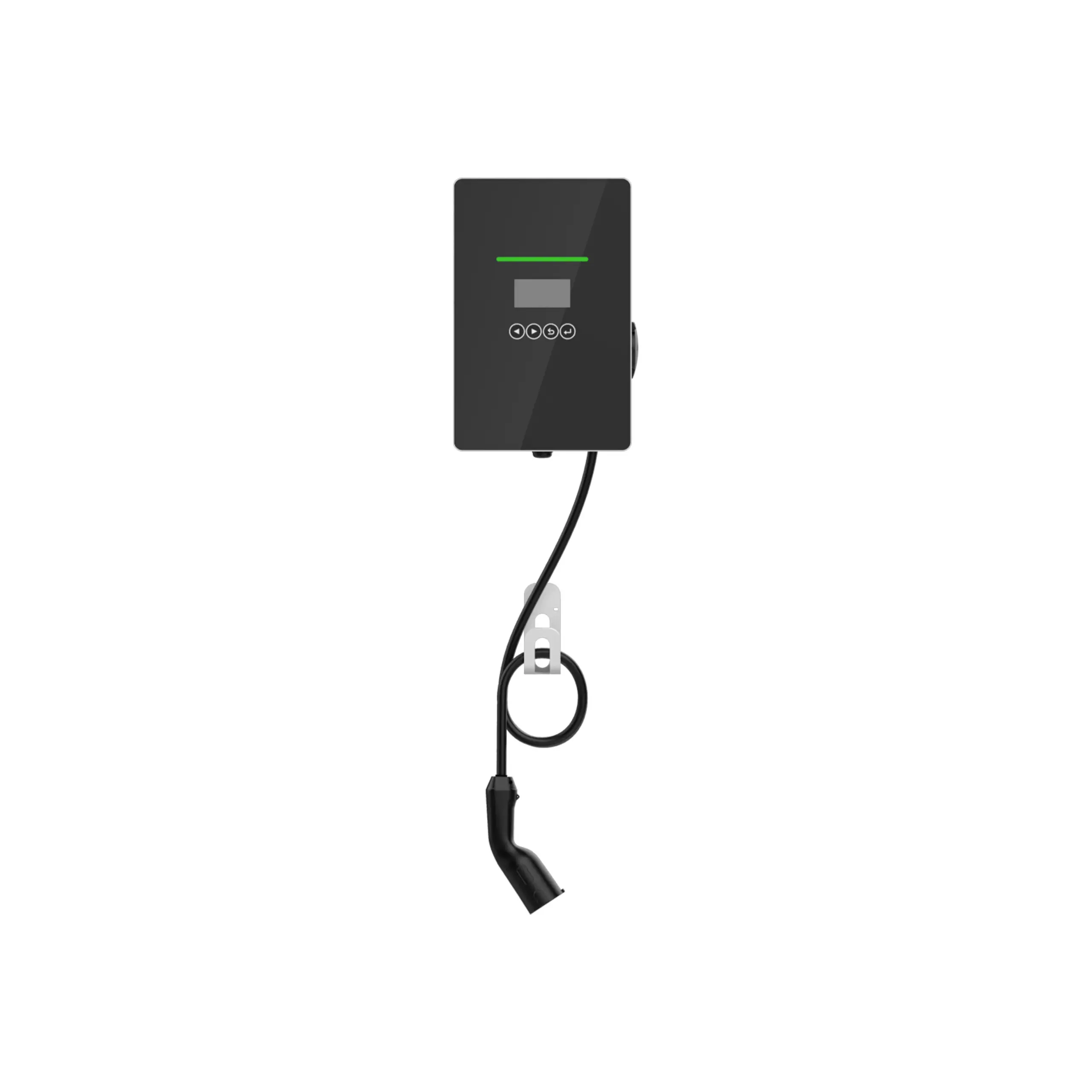
Introduction: Defining the 120kW Class in the Field
Let’s pin down what “fast” really means at the curb. A highway plaza stacks up SUVs and delivery vans at dusk, and every minute counts for turnover and uptime. A 120kw EV charger sits in the sweet spot where power, grid cost, and site heat load meet. In practice, it is not only about kilowatts. It’s about duty cycles, power converters, and how the OCPP backend handles traffic spikes (yes, software shapes queues). If the data shows average dwell at 18–25 minutes, what design choice keeps cables cool and drivers moving? And what makes one site hum while the next bogs down?
We look at real constraints: feeder capacity, thermal management, and service windows. That is the fabric of daily operations. The question is simple—how do pros tune the system so chargers push steady current without tripping breakers or cooking cables? We’ll compare configurations and surface hidden blockers. Then we’ll step into where the hardware and control logic are heading. Next stop: what the older fixes missed, and why that matters.
Hidden Bottlenecks Traditional Fixes Miss
Why do queues still happen?
Here’s the short answer: invisible friction builds up in the system before drivers see a wait. Traditional fixes add more stalls and hope load balancing covers the rest. But that ignores heat, cable drop, and backend delays. With a link to alternatives like the 150kw EV charger 260, the gap becomes clear. Sites tune amps but forget grid harmonics. They extend hours but never fix switchgear clearances. They add screens but skip edge computing nodes at the cabinet, so session handshakes crawl when signal is weak—funny how that works, right? These are the everyday tripwires behind “why is it still slow?”
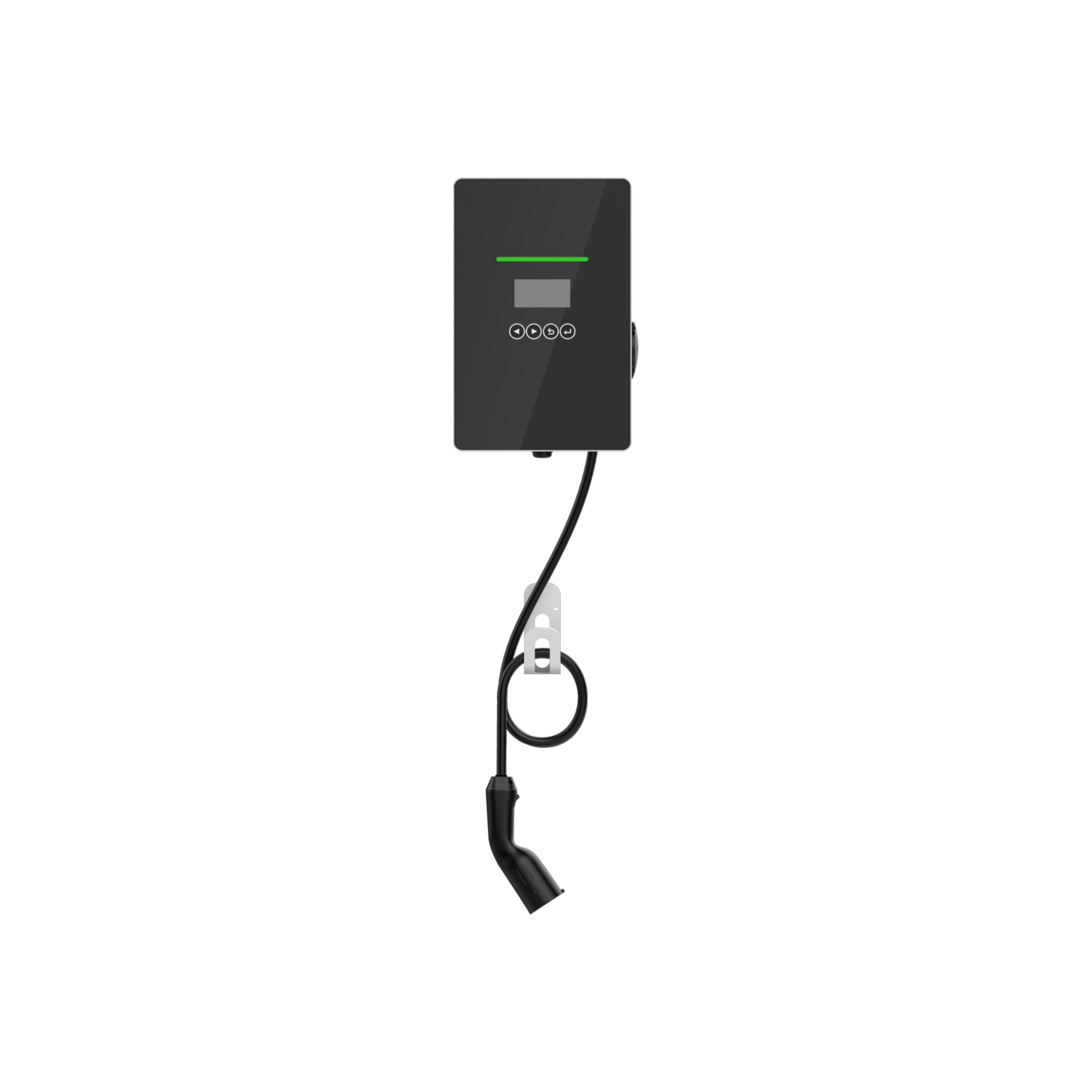
Look, it’s simpler than you think. When dynamic load balancing doesn’t see true cable temperature, it derates too late. When the rectifier stage isn’t matched to ambient, power rolls off under sun. When the isolation transformer hums near peak, the CCS2 handshake can retry. That means idle time grows even if the nameplate says 120 kW. Liquid-cooled leads help, but only if firmware ties coolant readouts to current limits in real time. And without clean logs, the O&M team plays guess-and-check. Old playbooks add metal; modern sites add sensing and control loops—on purpose and on schedule.
Comparative Outlook: Smarter Power and Real Sites
What’s Next
Let’s stack today’s best practice against tomorrow’s field kits. In one city depot, four 120 kW cabinets shared a feeder with refrigerated trucks. The fix was not “buy bigger everything.” It was staged power buffers, SiC MOSFETs in the rectifier leg for higher efficiency, and tighter thermal envelopes. Result: less heat soak, fewer derates, and smoother current. In a different test lane, a fast charging station for EV 320 profile was modeled against a classic split-cabinet site. The newer topology paired demand response with session orchestration, so two cars saw peak early while others ramped. Same grid contract, better throughput—no magic, just control logic and better sensors.
Here’s the forward track. New sites blend cabinet intelligence with upstream scheduling. They tag faults before drivers feel them, using cabinet-level telemetry and simple rules: protect connectors, keep cables under target temp, and avoid nuisance trips. They also standardize OCPP events so downtime is visible, not guessed. For a fair pick between a solid 120 kW and a stretch option like the fast charging station for EV 320, use three checks: 1) grid impact under peak with real power-factor data, 2) thermal headroom across seasons, and 3) backend latency from plug-in to steady current. That is how professional sites cut queues and raise kWh per stall—measurably and calmly. Advisory note: track these over 90 days, not one weekend. The trends tell the truth—then the upgrades write themselves. See the approach reflected across the portfolio at winline EV charger.