
Introduction
I remember walking into a broiler house at dawn and feeling the air thick with heat and noise — the birds restless under poor lights. Broiler lighting matters a lot; it controls behavior, feed intake, and even growth rate. Recent trials I read showed simple lighting tweaks can lift feed conversion by 4–8% and reduce mortality a bit (small wins add up). So what exactly are we missing when many farms still use old fluorescent setups or crude timers? I want to share what I learned — short story, real numbers, and one clear question: how do we get lights to work for the birds instead of against them? Let’s move on and look deeper into the real problems behind common lighting choices.
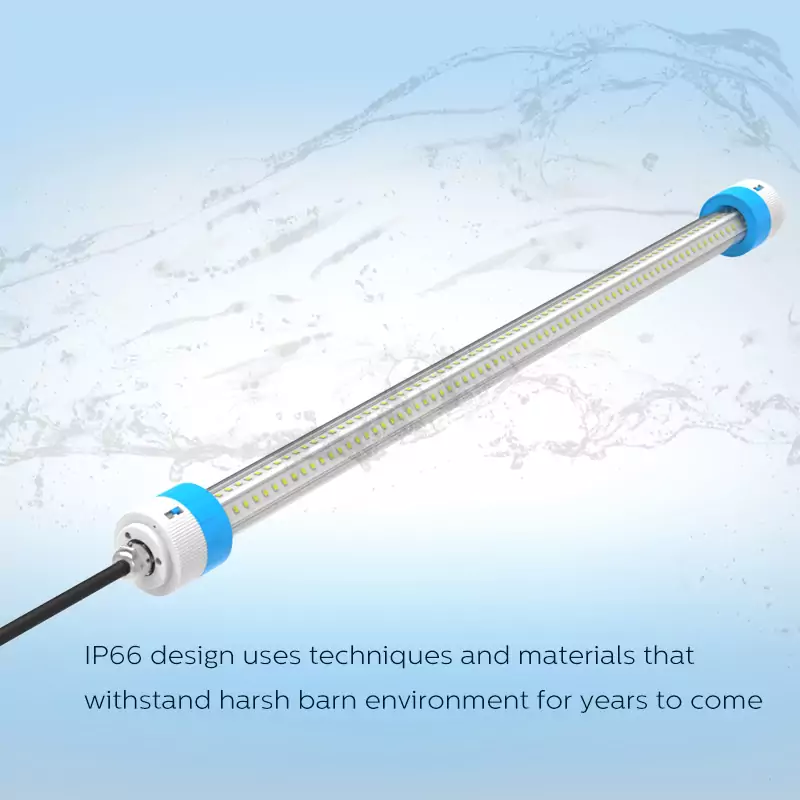
Why Traditional Lighting Fails — The Deeper Layer
led lighting for poultry houses is often talked about as the fix, but I’ve seen many implementations that still miss the point. Old solutions focus only on “more light” or simpler timers. They ignore spectrum control, lumen output consistency, and the role of quality LED drivers and dimmer controllers. The result: uneven light intensity, flicker that stresses birds, and higher energy waste. I don’t like saying “waste” without numbers — so here: inconsistent photoperiod and flicker can nudge activity cycles and increase pecking, hurting uniformity of flock weight. Look, it’s simpler than you think — fix the driver and spectrum and things calm down. (Also, retrofits with poor power converters create more headaches than they solve.)
What exactly goes wrong?
From my field visits, three failure modes repeat themselves. First, installers choose LEDs for energy savings but ignore spectral balance — birds respond differently to red, blue, and green light. Second, systems lack proper dimming profiles tied to bird age; a one-size timer makes chicks sleepy or older birds hyperactive. Third, maintenance is an afterthought — dust, heat, and cheap fixtures reduce lumen output fast. I’ve measured a 20–30% drop in effective lux over months where fixtures were installed poorly. Those are not tiny numbers. If you care about uniformity and feed conversion, you must treat lighting like a system: drivers, sensors, spectrum, and mounting all matter.
New Technology Principles and a Forward Look
What I find promising now are systems designed around two principles: physiological lighting and automated control. Physiological lighting means matching spectrum and photoperiod to bird biology — not human comfort. Automated control ties dimmer controllers, motion sensors, and light intensity schedules to bird age and behavior data. When done right, led lighting for poultry houses becomes an active management tool, not just a utility bill reducer. Semi-formal thinking helps here: we map schedules, set spectrum stages, and let the system adjust gradually — mimicking sunrise and sunset. The upshot: calmer birds, steadier feed intake, better uniformity. — funny how that works, right?
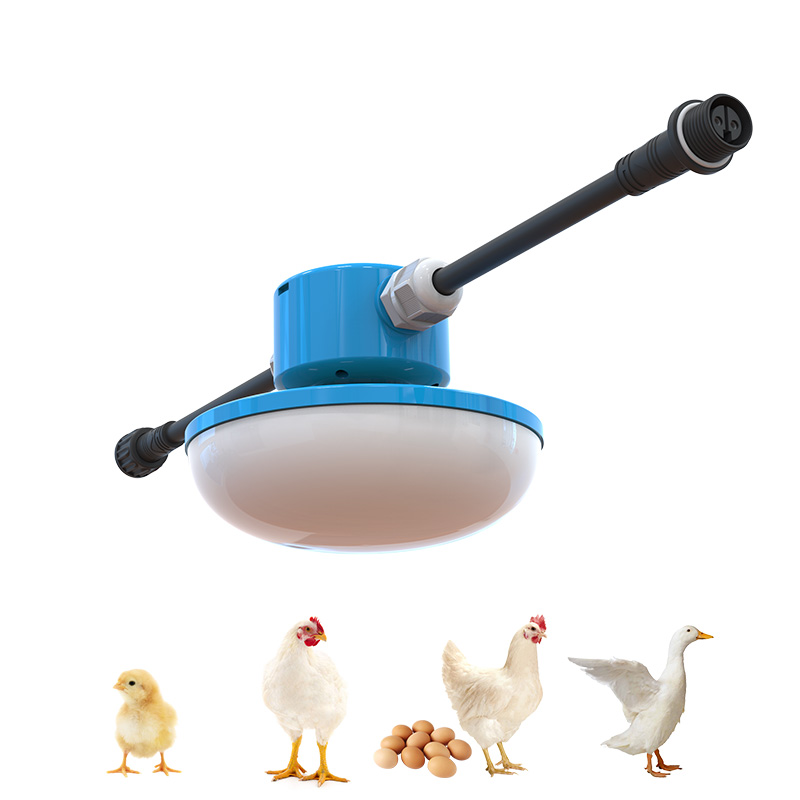
What’s Next — practical steps
I recommend three concrete actions if you’re upgrading lighting. First, insist on LED drivers with documented lumen maintenance and certified dimming. Second, require spectral specifications — ask for correlated color temperatures and percent red/blue content. Third, pilot a small house first and collect simple metrics: daily feed consumption, uniformity, mortality. These steps help you avoid common pitfalls and quantify benefits (we did this on a pilot and saw measurable changes). For evaluation, use these three metrics: 1) light stability (lux variance), 2) spectrum match (red/blue ratio), 3) control flexibility (age-based dimming profiles). Those three tell you whether a system will succeed on your farm. In closing, I still prefer hands-on testing to glossy specs — nothing replaces seeing birds quiet at dusk. If you want practical gear and support, check the options from szAMB.