

Why a comparative approach matters in local flats
Small flats and mid-size kitchens in Hong Kong need choices that balance cost, finish and speed. A comparative angle helps you decide between fully pre-assembled units and RTA kits from bulk suppliers — and that’s where rta cabinets wholesale options come in useful. This guide compares trade-offs clearly, uses common industry terms like RTA, cabinet carcass and hardware, and ties decisions back to real procurement realities seen at events like the Canton Fair in Guangzhou — a practical anchor many buyers and china cabinet manufacturers visit for sourcing insight.

Core factors to weigh
Start with three essentials: space constraints, timeline, and on-site skill. RTA saves freight and often lowers unit price; pre-assembled saves time and reduces on-site labour. Material matters — particleboard vs HDF, veneered carcass vs painted finish — and hardware quality (soft-close hinges, full-extension slides) determines long-term performance. For a Hong Kong flat with narrow stairwells, size of panels and edge-banding quality often decide whether RTA is realistic.
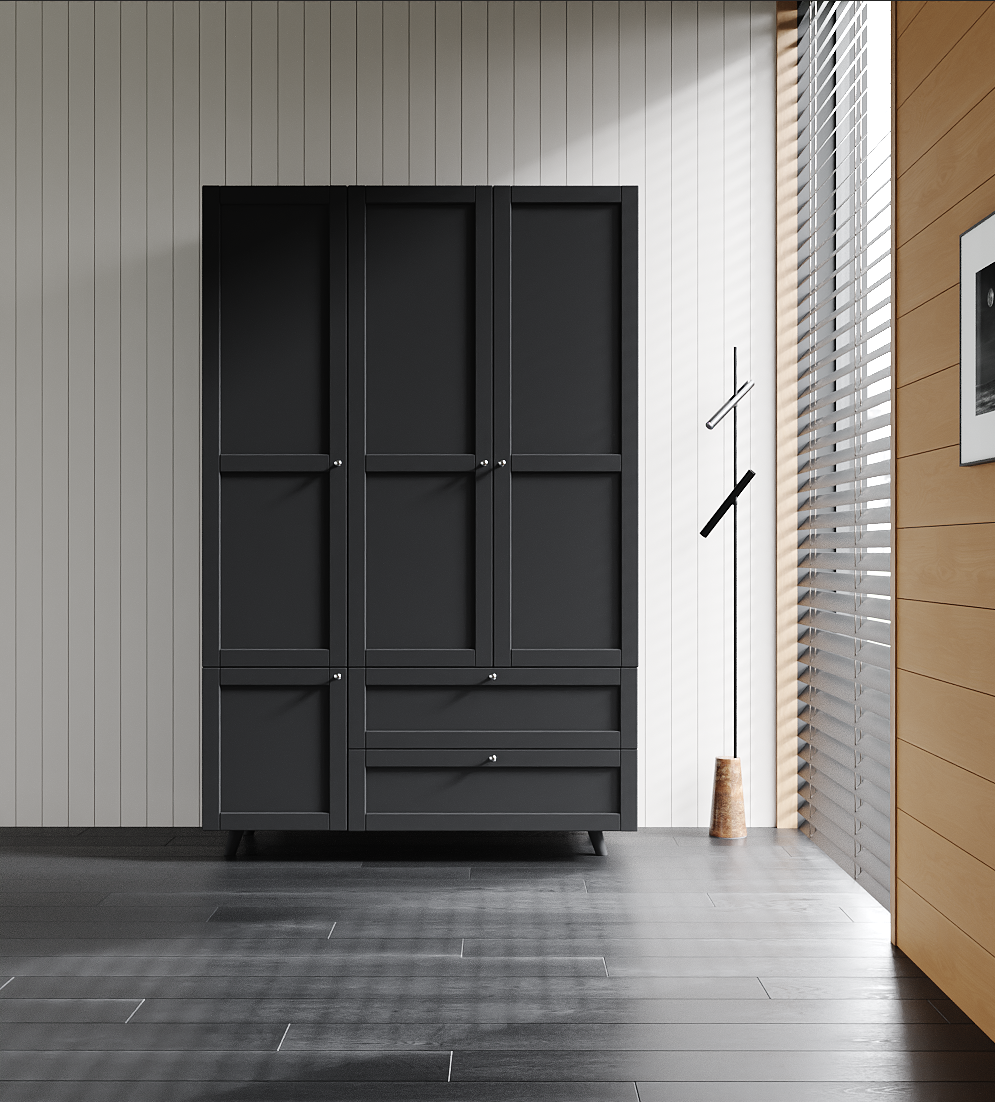
Side-by-side: cost, quality and installation
Cost: RTA tends to win on purchase price and shipping efficiency, especially when bought from wholesalers who can scale pallet loads. Quality: pre-assembled offers tighter tolerances and fewer onsite adjustments. Installation: RTA requires carpentry skill and precise jigging; pre-assembled is plug-and-play but demands careful transport. Think in terms of lifecycle economics — initial saving vs potential rework and warranty handling by the supplier.
Comparative checklist for decision-making
Use this quick checklist when comparing suppliers:
– Panel dimensions and tolerance specs (important for tight Hong Kong lifts).
– Hardware specifications (hinge angle, load rating of drawer slides).
– Finish method (melamine, lacquer, or thermofoil).
– Assembly instructions and available pre-drilled templates.
– After-sales support and warranty terms from china cabinet manufacturers.
Common mistakes installers and homeowners make
People often underestimate on-site fitment — cutting too close to walls, or assuming laminate wraps will hide gaps. Another common slip is mismatching hardware to cabinet weight — cheap slides fail sooner. —and yes, the packaging matters: poorly braced pre-assembled boxes get scuffed in tight stairwells. Plan for 10–15% extra to cover touch-ups and small replacement parts.
How to vet suppliers and installers
Start with samples and a small pilot order. Inspect sample carcass joints (look for dovetail or confirm mechanical fasteners), check edge-banding adhesion, and test the soft-close action a few dozen cycles. Confirm lead times and palletisation method with the wholesale rep. If a supplier lists production processes, ask about substrate density and glue type for particleboard or HDF — these details affect humidity resistance in subtropical Hong Kong.
Alternatives and final comparison notes
If you lack skilled labour, opt for pre-assembled low-profile units and hire an installer to handle anchoring and minor adjustments. If budget and shipping dominate, choose trusted wholesalers offering clear templates and hardware packs. For custom finishes, some china cabinet manufacturers will pre-finish and pre-fit hardware, reducing onsite work while keeping modular pricing — handy when custom colours are important.
Three golden rules for selecting the right approach
1) Measure twice; pick panels that can clear your building access. Fit precision beats theoretical savings. 2) Match hardware to expected load and use — heavy drawers need rated full-extension slides. 3) Confirm warranty handling and spare part availability before signing; supplier responsiveness cuts downtime. When you apply these metrics, you see who’s serious and who’s not — SNIMAY’s visible supply chain and pre-assembly options often solve that middle ground between price and reliability.
Clear outcomes: fewer surprises, predictable timelines, and better long-term performance. Proven.