
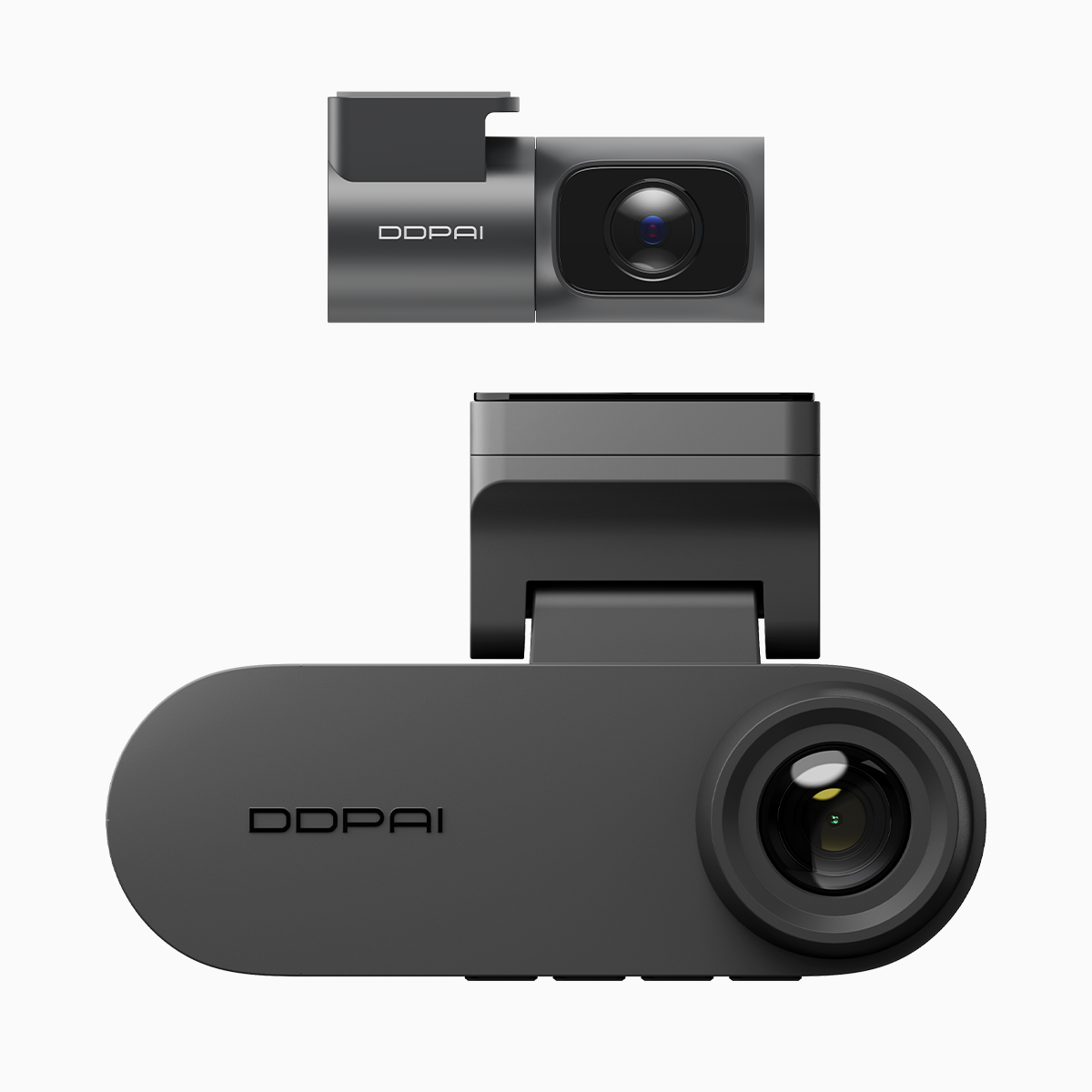
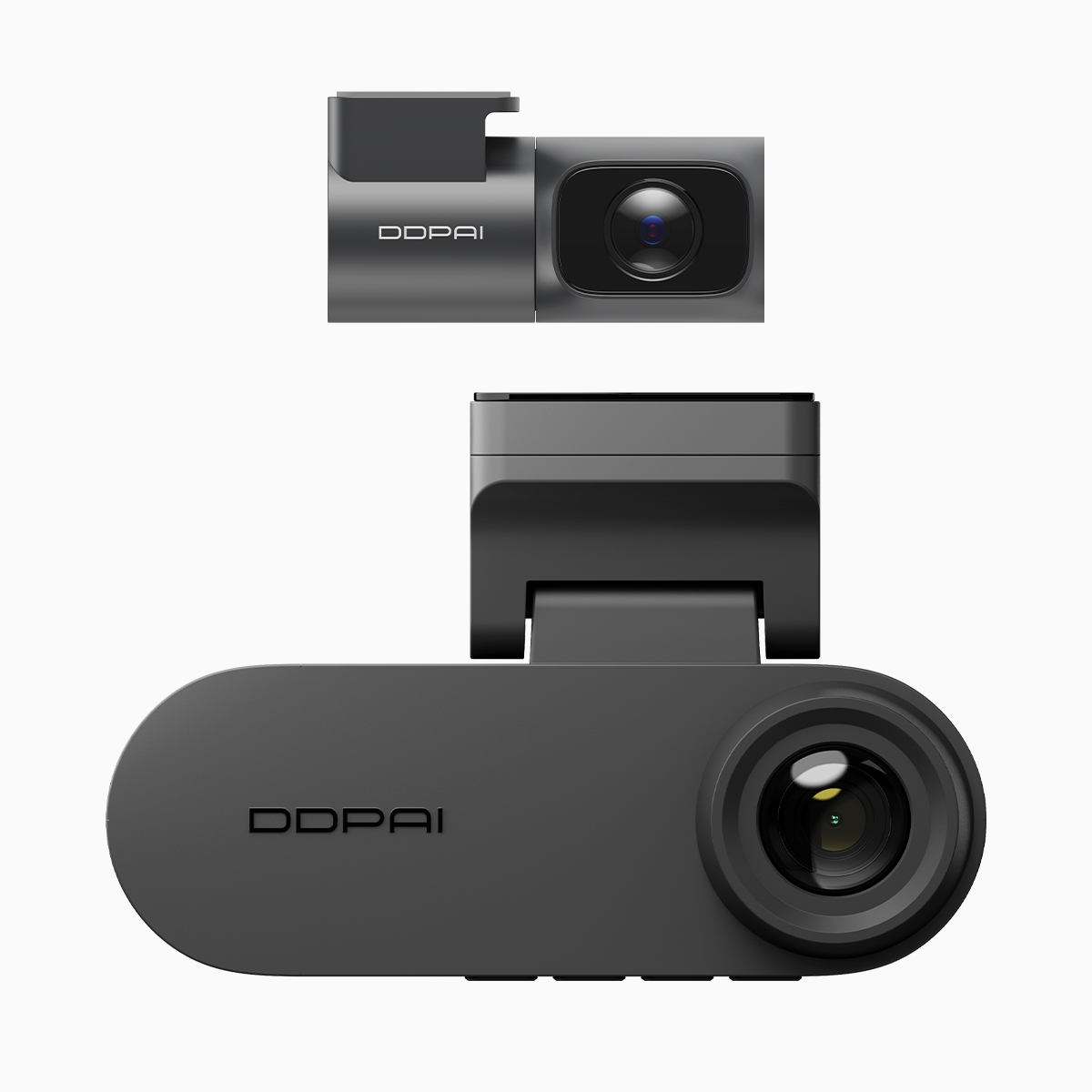
When distributors need a repeatable process for wholesale dual dash cam batches, a clear framework beats guesswork. Start by treating each shipment like a mini project: sample hardware, verify firmware, and confirm network features such as Wi‑Fi and GPS before signing off. For practical reference, consider how a modern dual dash cam with night vision should arrive ready for busy urban runs like those across Metro Manila — where low-light performance and GPS logging matter every night.
Why a framework matters for distributors
Distributors move fast and margins are tight. A structured quality-assurance flow reduces returns, speeds onboarding, and protects brand reputation. Think of the framework as three axes: safety (image integrity, G‑sensor), connectivity (Wi‑Fi pairing, GPS), and compliance (packaging, accessories). Each axis has measurable checks so decisions aren’t left to hunches.
Core QA pillars: inspection, testing, documentation
Inspection is visual and functional. Open random units to confirm seals, cable quality, and included accessories. Testing is hands-on: load the latest firmware, record a short drive to check codec behavior and bitrate settings, and validate GPS timestamps against a reliable clock. Documentation ties it together — record batch numbers, firmware versions, and any deviations so you’ve got traceability when problems surface.
Practical checklist for dual dash cam shipments
Use a concise checklist for each sampled unit. Keep it simple and replicable by any member of the team.
– Visual: box condition, mounts, power cables, SD card slot alignment.
– Power-on: boot time, logo screen, firmware version readout.
– Video: day and night clips saved, low-light clarity, codec stability.
– Sensors & connectivity: G‑sensor triggers, GPS logging accuracy, Wi‑Fi hotspot discovery.
– Accessories: charging adapter output, adhesive strength, user manual in required language.
Common mistakes and how to avoid them
One big error is trusting appearance over function: boxes can look perfect while firmware is months behind. Another trap is inconsistent sampling — testing ten units one week and just one the next gives unreliable trend data. Calibration gaps also sneak in; if you don’t standardize a test route or setup, results vary wildly. A small but crucial step is verifying bitrate and codec settings during recording — otherwise playback may appear fine on one device and fail on another.
Also watch for packaging substitutions. Suppliers sometimes switch SD card brands or chargers to save cost — these affect endurance and warranty claims. Train your receiving team to log any changes and flag deviations immediately — it saves time and disputes later.
How to scale the QA process without slowing shipments
Automate what you can. Use a simple batch spreadsheet or a lightweight QA app to track serial numbers, firmware, and test results. Set clear thresholds: if more than X% of sampled units fail, hold the entire shipment. Rotate samples across pallets so sampling stays representative. Keep a short vendor performance scorecard and include response time as a metric — fast fixes matter as much as low defect rates.
Three golden rules for selecting and auditing dual dash cams
1) Prioritize firmware transparency: insist suppliers provide firmware changelogs and a clear update path. That prevents compatibility surprises and simplifies recalls.
2) Measure field‑critical features: G‑sensor calibration, GPS logging accuracy, and low-light video performance should be tested under conditions approximating real routes — especially in urban areas like Metro Manila where night lights and traffic are common.

3) Hold suppliers accountable to random rechecks and batch traceability: require batch IDs on both units and packaging, and confirm accessory authenticity during spot audits.
These three rules cut disputes, reduce returns, and speed time to shelf. Tested. Trusted. DDPAI Philippines