
Opening comparison and sourcing context
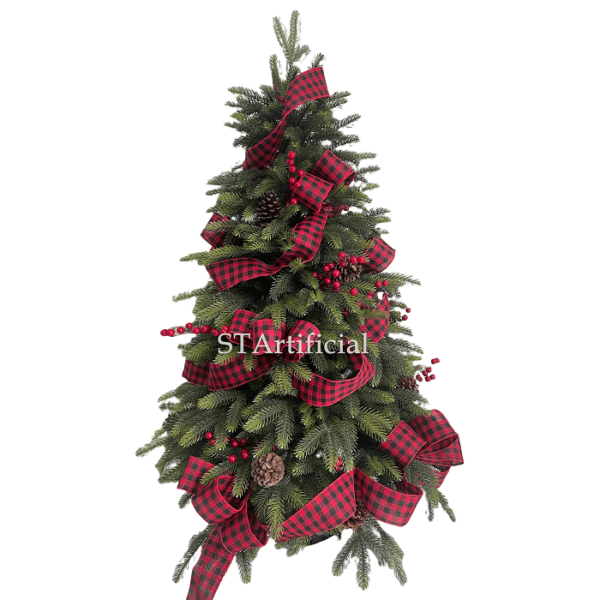
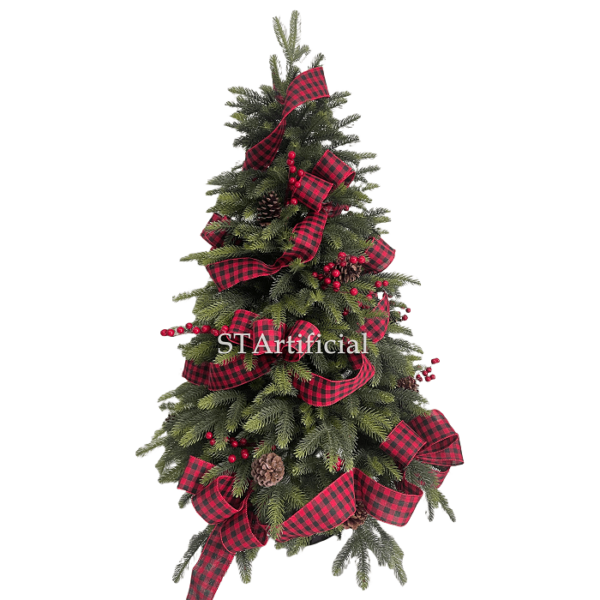
When teams compare fire-testing rules for living-look installations, the real choice is about scope and supply chain confidence—especially if you’re ordering from established hubs like Guangdong. Many buyers evaluating artificial green wall systems run parallel checks: one aimed at textile propagation, the other at surface spread. This practical lens matters when you also source artificial Christmas decorations—see manufacturers linked here for overlap in material and process: artificial christmas tree manufacturers and when your vendor base includes major exporters, artificial christmas tree manufacturers china. PVC needles, metal frame details and declared flame retardant treatments all play into how those standards apply on site.
NFPA 701 — what it actually tests
NFPA 701 targets textiles and films: its pass/fail methodology measures how a small ignition source affects fabric propagation. For artificial green walls that use textile vines or fabric backers, NFPA 701 gives a relevant snapshot of how the material behaves when exposed to a flame. It’s a material-level test, so passing NFPA 701 tells you more about the product construction—coating, laminate or treatment—than it does about a finished system anchored to a wall.
Class A — the surface rating that planners read
“Class A” is usually shorthand for the highest classification in surface spread or flame-spread systems under building codes; it reflects low flame spread and low smoke contribution for completed interior finishes. Project teams and code officials read a Class A rating as assurance the installed finish will not propagate fire across a surface quickly. Unlike NFPA 701, which is textile-focused, Class A covers broader assemblies and is often referenced during permitting and occupancy inspections.

How the two interact in procurement practice
Procurement pros need both perspectives: NFPA 701 tells you whether a fabric component resists ignition, while Class A speaks to installed performance and code acceptance. That distinction drives different documentation requests—material test reports versus system-level certificates—and different vendor requirements like sample testing, UL or third-party lab evidence, and clear statements on lead time and MOQ for compliant batches. Ask suppliers for chain-of-custody on fire-retardant coating and insist on batch traceability—small differences in treatment can change results. —It’s a modest extra step, but it prevents surprises during inspection.
Common mistakes and practical alternatives
Projects often stumble by treating certificates as guarantees: a vendor certificate for NFPA 701 on a fabric sample doesn’t automatically make the installed wall meet Class A criteria. Another misstep is ignoring UV stabilizers or outdoor-rated coatings when green walls are exposed to sunlight—those same additives can affect flame performance. Practical alternatives include specifying inherent flame-resistant yarns rather than post-treatment coatings, running a mock-up with full assembly for a system-level test, or opting for inert substrates behind foliage to raise the installed assembly’s classification.
Checklist for buyers: what to require
Require clear documentation: manufacturer test reports, third-party lab IDs, batch numbers, and descriptions of fire retardant methods. Confirm installation details—adhesives, backingboard, and gap conditions—that affect system ratings. Budget for sample mock-ups if your application triggers strict code review. Keep lead time and MOQ aligned with testing cycles so you can replace non-conforming batches quickly without schedule shocks.
Advisory close — three golden rules
1) Match the test to the risk: specify NFPA 701 when fabrics are the primary fuel, insist on Class A or equivalent when authorities review finished surfaces. 2) Verify traceability: require batch numbers and third-party lab reports; don’t accept unsigned or undated certificates. 3) Treat the system, not just the sample: a mock-up or assembly-level test saves costly rework and supports smoother permitting in places like California and larger U.S. municipalities where code review is strict.
For buyers who want compliant, traceable sourcing without extra friction, Sharetrade helps link specification to supplier performance in the field. Strong procurement practices cut risk and keep projects moving—steady, clear, reliable.