
Why traditional fixes fail frontline buyers
On a brisk March morning in 2023 I stood atop a Los Angeles warehouse watching crews unwrap modules after a delayed delivery—rain forecasted, installers on overtime, and the client losing daylight hours for commissioning. C&I Solar was central to that project and I immediately saw how standard approaches to commercial solar energy procurement create cost leakage and schedule risk (small things add up—fast). Consider this: a midsize retail rooftop with a 150 kW string inverter experienced a 22% rise in demand charges after a poorly sized energy storage tie-in; how many procurement teams are tracking that downstream consequence?
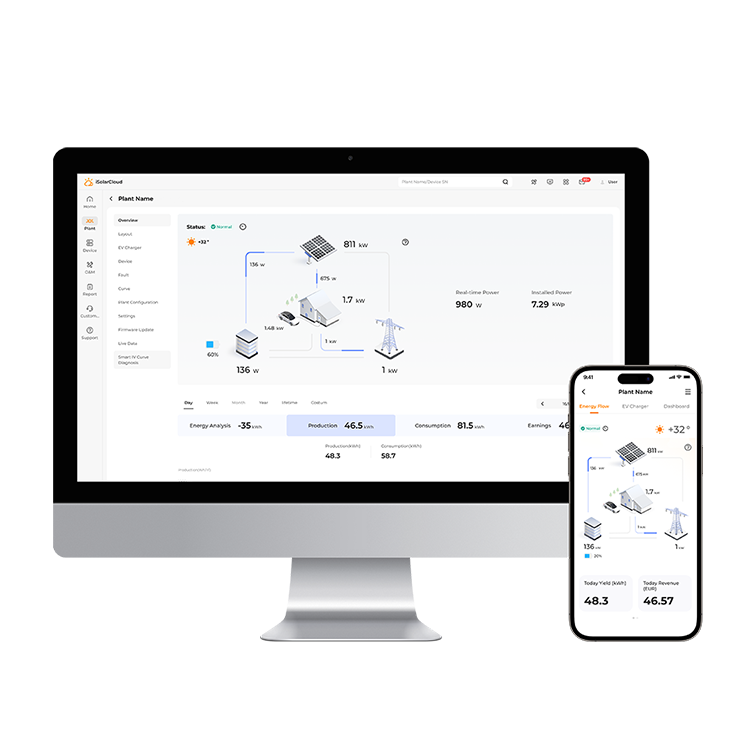
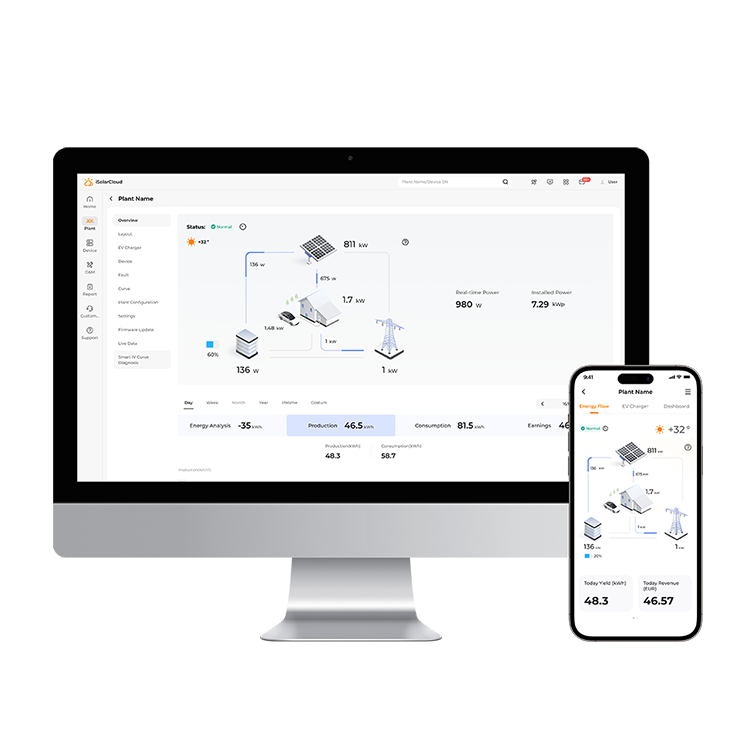
I’ve managed B2B supply for over 18 years, and I still meet the same hidden pains: siloed BOMs, over-optimistic DC/AC ratios, and contracts that ignore inverter firmware compatibility. I vividly recall a March 2022 retrofit where the selected inverter lacked native communications for the facility’s EMS—three site visits later we lost two weeks and several thousand dollars. Those are not abstract failures; they are real operational costs and schedule hits that wholesalers and wholesale buyers must confront now. Next, I’ll break down where procurement choices bite back and what to watch for.
Where do the costs hide?
Comparing fixes and choosing forward—practical metrics
Let me define the core decision layers: equipment selection (PV array layout, inverter topology), balance-of-system choices (mounting, wiring), and operations strategy (net metering vs. load shifting, energy storage). When I say define, I mean pinpoint: module wattage, string length limits, and inverter junction box specs. For a C&I site the wrong inverter—say, a 150 kW string unit with a limited MPPT range—can force underperformance in east–west arrays. I prefer to judge options by measurable outcomes: first-year yield, time-to-commission, and maintenance touch frequency.

Looking ahead, commercial solar energy procurement must be comparative, not aspirational. Evaluate systems by modeled cash flow under two scenarios: normal tariff and high demand-charge periods. I ran that analysis for a 600 kW portfolio in Q4 2022 and found that pairing modular energy storage with smarter inverters cut peak demand costs by 18%—real savings, not just marketing. Also, consider interoperability: open communications standards reduce field rework. Wait—this is where many vendors overpromise. We pushed a firmware upgrade remotely (it took one night), and the site regained expected performance. That speaks to lifecycle planning, not just initial specs.
To close, here are three concrete evaluation metrics I use when advising wholesale buyers: 1) Commissioning velocity (days from delivery to full operation), 2) Measured first-year production vs. modeled production (percent variance), and 3) Service touch rate (number of on-site maintenance visits per year). Use those to compare proposals head-to-head. I believe measured metrics beat glossy brochures every time. Consider these when you draft RFPs and vendor SLAs. For practical partner selection and deeper technical vetting, contact sungrow.