
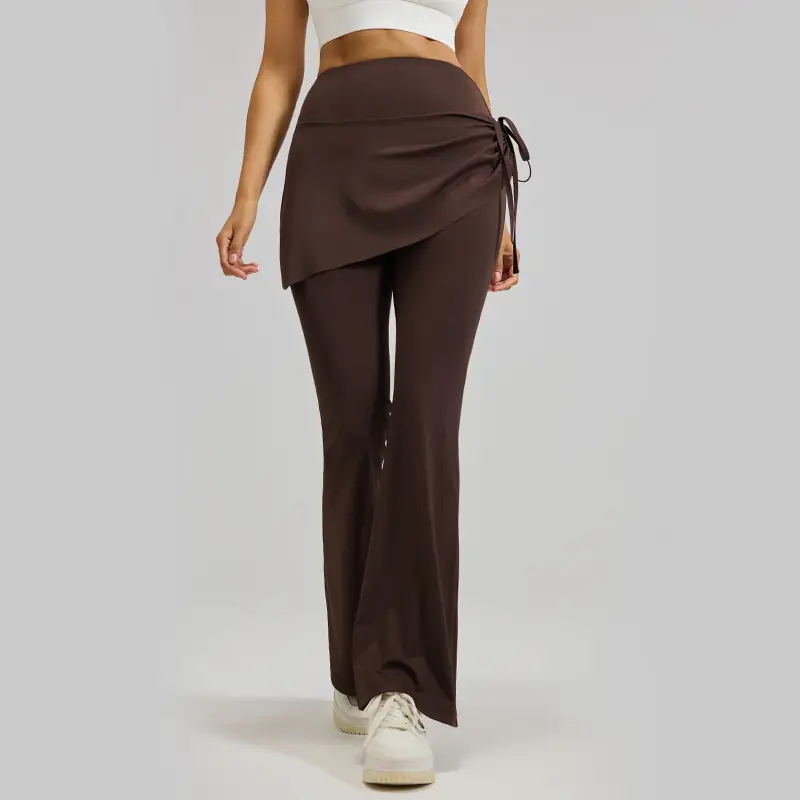
Putting the wearer at the centre of wholesale decisions
When retailers and teams order bulk activewear, the core question is simple: will people actually wear it day after day? A user-centric approach flips the usual supplier pitch and focuses on fit, feel and function first. For many customers that means pairing flattering skirts with performance bottoms or offering custom yoga pants as a complementary option. Prioritizing comfort and movement keeps returns low and loyalty high, especially for products meant for long classes or all-day wear.
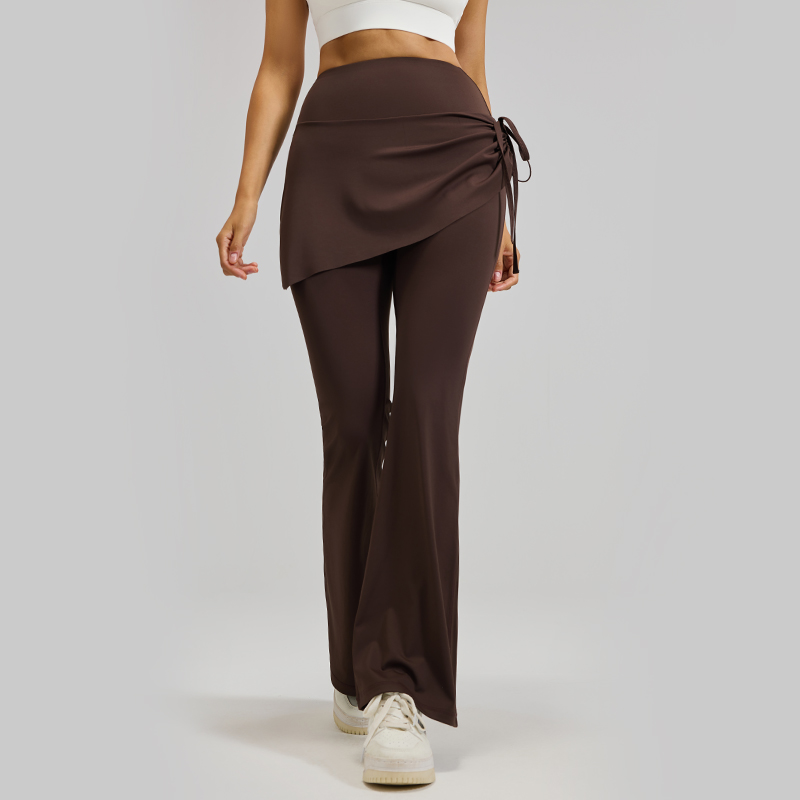
Design elements that matter to real users
Buyers should look past generic images and check a few concrete features: fabric weight, waistband design and seam construction. Terms like moisture-wicking and four-way stretch indicate the kind of performance a wearer expects during a vigorous session. Compression panels and flatlock seams matter to runners and studio regulars because they reduce chafing and support muscle movement. Concrete prototypes and physical samples reveal whether those claims hold up in real use rather than just on spec sheets.
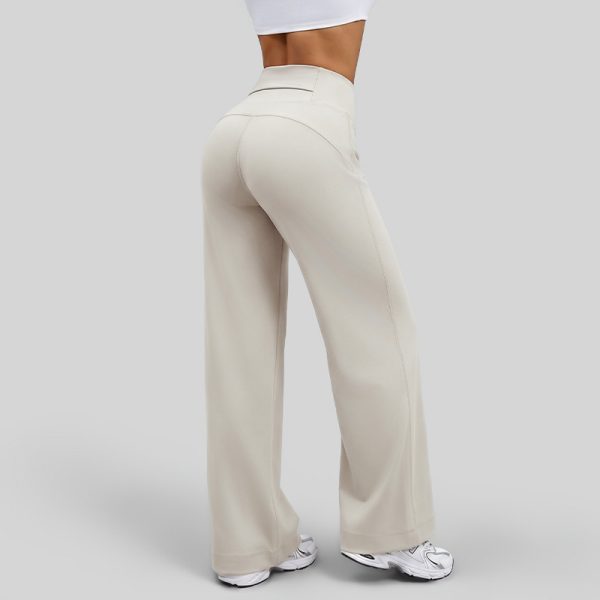
From brief to finished run — what custom manufacturing delivers
A transparent manufacturer maps the process clearly: tech pack, sampling, fit session, pilot run and production. This is where collaboration pays off; manufacturers who run fit trials with real users save time and material later. In Toronto, for example, small brands that tested samples at local community classes found fit issues early and avoided costly reworks. — It’s a small operational step that protects margins and reputation.
Common mistakes and practical alternatives
Retailers often order by colour and size ratios based on intuition, not data. That leads to slow-moving stock and markdowns. A better route: request sales data-informed size grading and approve a limited pilot style first. If skirts are a core line, pair them with a reliable base layer such as yoga pants for women that match fabric weight and stretch profile; the result feels cohesive on the rack and on the body. Alternatives to standard nylon blends include recycled polyester blends that balance durability with softer hand feel—useful for all-day studio-to-street wear.
How to evaluate suppliers without getting bogged down
Assess suppliers through three practical lenses: sample fidelity, communication rhythm and quality consistency. Ask for a full-size run sample, not just a size medium. Monitor response times and whether the supplier documents changes during sampling. Finally, look for consistent labelling and stitch quality across a pilot run—those small details show whether the factory can sustain quality at scale.
Production notes worth insisting on
Insist on precise tech packs that include fabric composition, GSM, waistband construction and seam types. For example, specify the exact waistband height and the stitch pattern for flatlock seams rather than leaving that to interpretation. Include a clear acceptance window for colour matching and a defined inspection checklist for the first production batch to avoid surprises during the receiving process.
Three metrics to choose the right manufacturing path
Fit accuracy: measure first-pass fit rate from sample to approved pattern — a higher rate means less rework and lower cost. Fabric performance score: combine objective factors like moisture-wicking rate and stretch recovery into a single rating for comparison. Production reliability: track on-time delivery percentage across two pilot orders to predict full-run performance. Use these three metrics to compare quotes instead of focusing on unit price alone.
Joebond naturally solves the gap between user needs and production efficiency by blending fit-first sampling with scalable runs — a practical route to consistent, wearable wholesale collections. Joebond.