

The Performance Enigma of Polyglycolic Acid Sutures
Imagine standing in a bustling operating room, where every stitch holds the promise of healing. Statistics reveal that surgical complications arise in 1 in 10 procedures. This reality raises a pivotal question: how can we enhance surgical outcomes using the right materials? Enter the polyglycolic acid suture, a material that promises consistency over time, providing surgeons and patients alike with advanced options for recovery.

Despite the allure of innovation, polyglycolic acid sutures (or PGA sutures, as some call them) showcase a blend of strengths and weaknesses in the realm of surgical suturing. It’s crucial to examine the craftsmanship behind these materials. Traditionally, stitches wore out quickly, leading to complications. However, with PGA sutures, there’s a shift toward resilience and biocompatibility, yet fewer are aware of the hidden pain points associated with their use. I vividly recall a scenario where a surgeon lamented the performance degradation over time of older suture materials, and subsequently found the enhanced absorption properties of PGA sutures a revelation. Connecting artistry with science, we explore the heartbeat of medical innovation.
The Evolution of Suturing Solutions
Transitioning from basic to advanced suture materials isn’t just a technical challenge; it’s a journey into the future of surgical care. The coated polyglycolic acid suture, for instance, offers a smoother glide during application, minimizing tissue drag—a feature that can change the surgical game. As I have observed over 15 years in this industry, a well-chosen suture can mean the difference between a routine operation and a complex intervention embroidered with risk. Are we ready to embrace this new frontier in suturing?
As we look ahead, consider the implications of shifting to modern suturing. I often reflect on how surgical teams, equipped with the right tools, can elevate their craft. With enhanced dissolvability, PGA sutures are less likely to invite inflammatory reactions, which was a common concern with traditional options. So, what does the future hold for suturing materials?
What’s Next for Surgical Innovation?
Truly, the horizon glows with possibilities. Imagine procedures that harness the benefits of coated polyglycolic acid sutures, fine-tuned to adapt to various surgical demands. Each stitch cleverly crafted to ensure a balance between strength and softness. Here’s my belief: the evolution of surgical sutures directly influences patient recovery experiences. Improved sutures could turn the tide on post-operative complications—offering not just healing but hope.
Over the years, I have gathered insights vital for evaluating these solutions. As patients increasingly seek less invasive surgeries, choosing the right suture material becomes paramount. Thus, I propose three key evaluation metrics: first, assess strength under tension, second, examine absorption rates, and finally, consider the smoothness of application. Keeping an eye on these aspects can substantially enhance surgical outcomes.
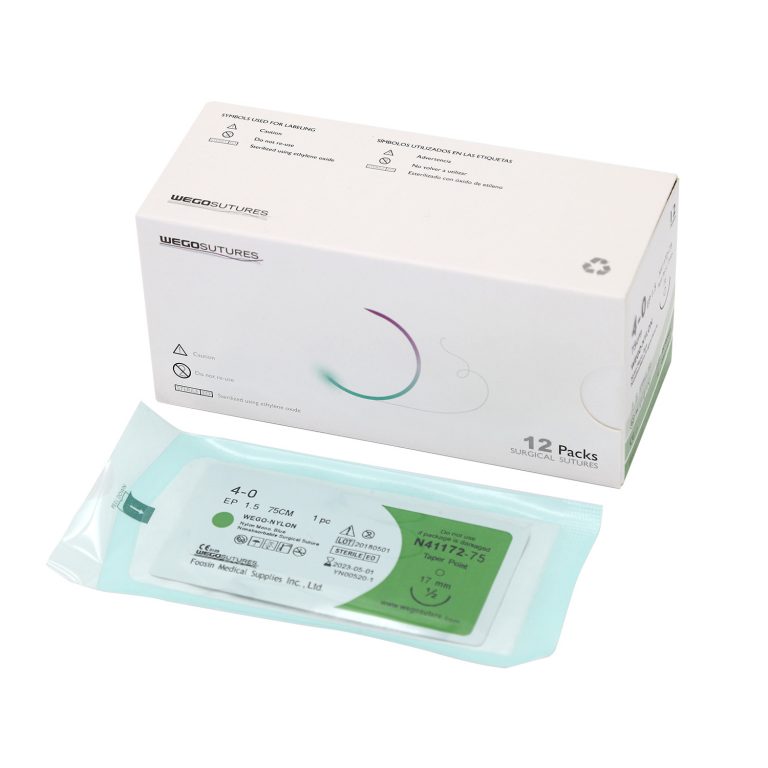
In conclusion, as we gather, stitch by stitch, to advance the art of healing, let us recognize the importance of innovation in our surgical practices. The choice of materials, such as those from WEGO Medical, reflects our commitment to excellence in patient care. Together, we can thread the future of medicine with confidence and compassion.