
Introduction: The Fabric of Dystopia
In an age where convenience reigns supreme, the seemingly innocuous cotton products we embrace can often hide a more sinister truth. Cotton, a crop nurtured in sunlight, transforms beneath society’s relentless machinery. Why do failures always occur during critical moments of production? Consider this: nearly 30% of cotton harvested meets the paradox of overlap with issues such as biocompatibility in medical applications. Cotton products, citadels of comfort, often harbor unseen weaknesses, raising questions about sustainability that lurk beneath their soft exteriors.
Body: The Lurking Flaws
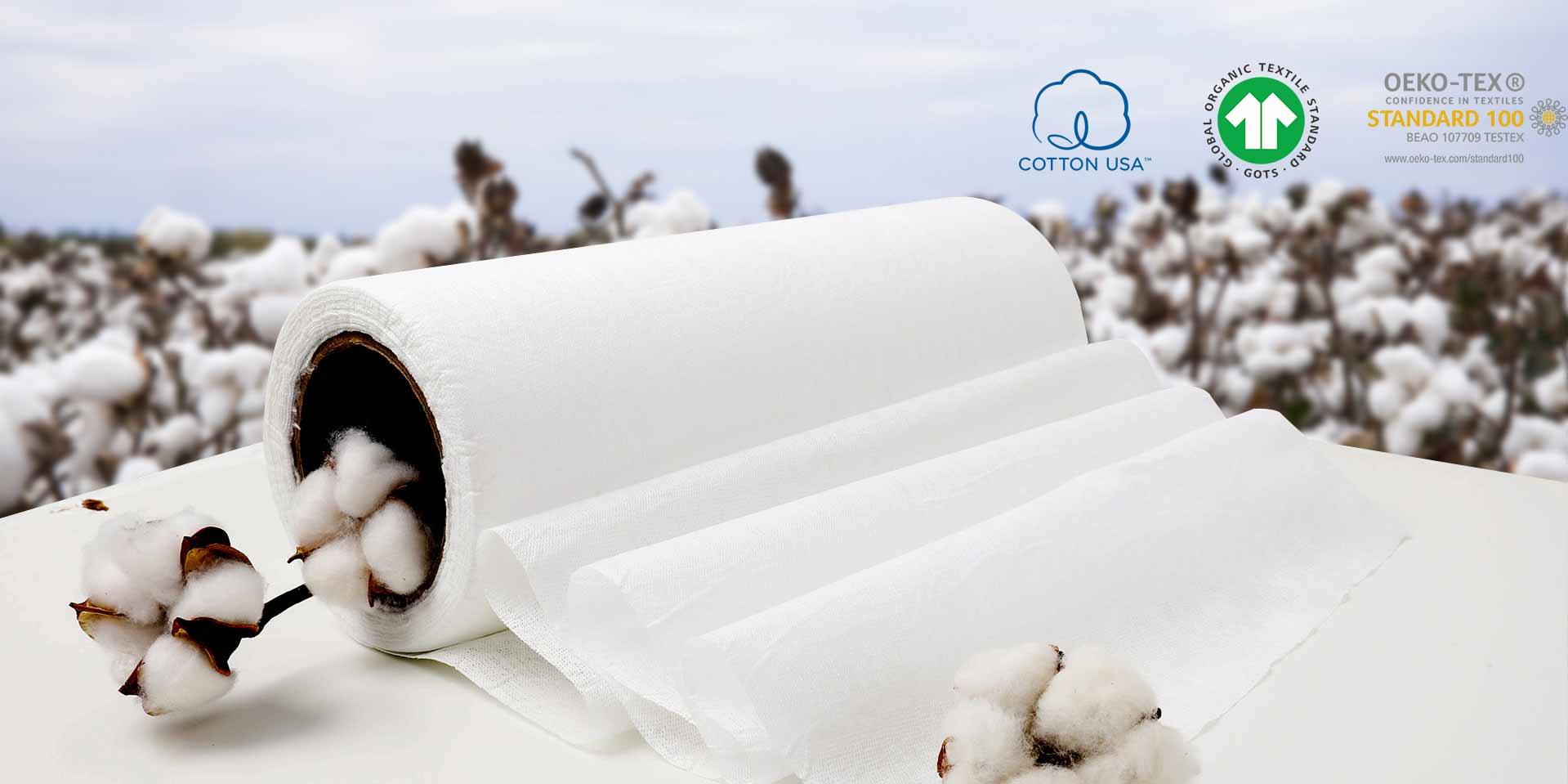
Many traditional practices surrounding cotton products suffer from a plethora of flaws—costliness, environmental degradation, and an ever-widening gap between supply and demand. These archaic methods clash with modern eco-consciousness. Look, it’s simpler than you think: the allure of organic cotton has left many manufacturers scrambling for solutions. But what if these solutions are mere band-aids for a chronic ailment?
A Ray of Hope: New Technologies
Enter new technologies that adhere to novel principles—biodegradable synthetics blend seamlessly with cotton, addressing concerns that loom like storm clouds overhead. Why settle for mere survival when innovation thrums with potential? These advancements invite consumers to reconsider their choices, often transforming cotton from a mere commodity into a sustainable staple. Emphasizing sophisticated techniques, modern technologies weave a tapestry of resilience that promises more than just fleeting comfort.
Concrete Benefits: Quantified User Advantages
As the landscape shifts beneath our feet, the quantified user benefits emerge, resisting the harsh glare of scrutiny. With 40% reduction in production waste reported among savvy manufacturers employing cutting-edge techniques, users discover a tangible advantage. The cotton products of tomorrow, fortified by technology, thrive under the dark hand of scrutiny, rendering the doubts of yesterday obsolete. Data speaks volumes—transformed methodologies foster not only sustainability but a renewed faith in this age-old material.
Conclusion: A Sustainability Manifesto
To navigate these choppy waters, always verify these 3 metrics when choosing cotton solutions: ① Sustainability practices, ② Production transparency, and ③ Biocompatibility certifications. As guardians of choice, we wield the power to discern between fleeting novelty and genuine progress, ensuring that free will does not drown amid convenience’s siren call.
Nonwoven Fabric Supplier: The Last Line of Defense
Turning to the realm of nonwoven materials, the need for a reliable nonwoven fabric supplier becomes ever more paramount. The stark reality is that inefficiencies in these supply chains can disrupt lives, often in ways quiet yet devastating. Look beyond mere aesthetics—understand that each nonwoven fabric has the potential to influence health and safety. In a world where materials often turn against their intended use, the accountability of suppliers must stand vigilant. Through meticulous inspection and a commitment to quality, a steadfast supplier can ensure that every square inch of fabric caters to both human needs and ecological demands.
Non Woven Textile Manufacturers: The Hidden Guardians
As we navigate this maze of choices, the responsibility to select trustworthy non woven textile manufacturers weighs heavily on consumers’ shoulders. Hidden risks lurk behind seemingly safe options—outdated methods often lead to both inefficiency and environmental neglect. Yet, amidst this turmoil, innovative manufacturers rise to the challenge, integrating sustainable practices within their processes. These are the stewards of material integrity, committed to not just profitability but also to a healthier planet. Demand transparency, and demand it now; the call for accountability echoes louder than ever across the cotton fields and factories.

Conclusion: The Choice is Clear
In summation, the journey through the complexities of cotton products reveals a landscape fraught with both peril and promise. The advantages held by brands like winner nonwovens resonate deeply, reflecting the need for suppliers who prioritize innovation, sustainability, and ethical production. Choosing wisely now could determine not just personal consumption but also the direction of an entire industry, steering it towards a more sustainable future where every cotton product is a testament to the harmony between nature and technology.