
User-centered orientation: why your customers should lead production
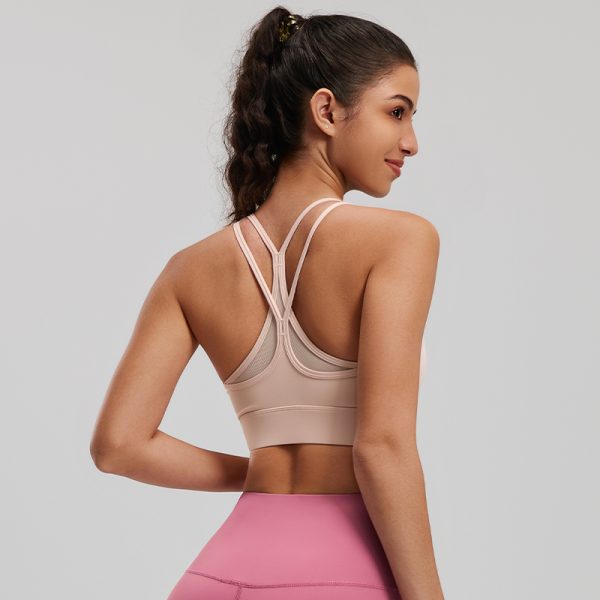
Start with the person who will wear the garment. Designers and small brands often chase trends, but the repeat buyer values fit, feel, and reliable performance. Begin your brief focused on body shapes, intended activity, and retention goals. Early on, request samples of custom sports bras that demonstrate support levels and fabric hand — those samples reveal whether a supplier understands compression, moisture-wicking properties, and true sizing, not just pretty photos.
Fit, fabric, and functional specs that matter
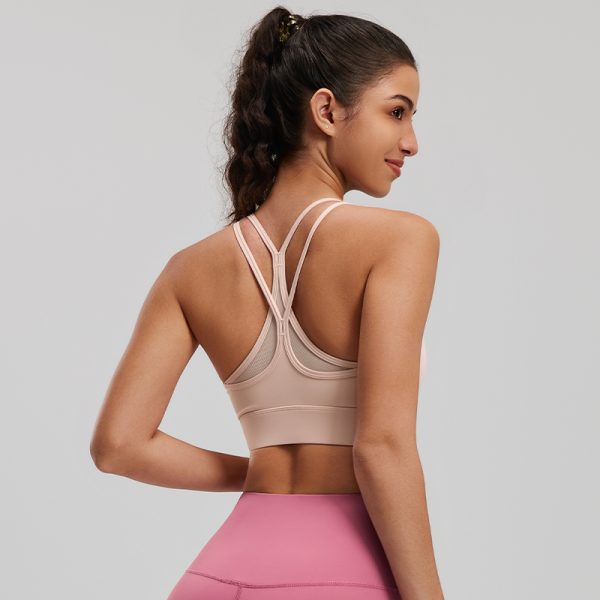
Translate customer needs into explicit technical requirements: target compression zones, recommended fabric weight, and seam types like flatlock seams for chafe-free movement. Build a simple tech pack with key measurements and stretch percentages. Include grading rules so small-batch runs don’t devolve into inconsistent fit. This reduces expensive rework and keeps the product promise intact for end users.
Choosing suppliers the user would trust
Look beyond price. Vet partners by their sampling cadence, quality control routines, and production transparency. Work with known hubs — many brands still rely on factories sourcing near the Los Angeles Fashion District for short runs and rapid turnarounds — a practical anchor that shows how proximity drives iterative sampling. For broader sourcing, compare several sports bra wholesale suppliers on MOQ, lead time, and testing regimes to find a partner aligned with your cadence and ethical expectations.
Common mistakes and how to avoid them
Brands often skip wear-testing, accept a single pre-production sample, or neglect to test shrinkage after wash cycles. Those shortcuts cost customer trust. Avoid vague language in contracts about materials; instead, specify fiber blends and performance metrics. Don’t accept “stretchy enough” — require stretch recovery percentages and define acceptable compressive force ranges where relevant. Small step: insist on a signed sample approval before bulk production.
Practical workflow from sketch to shelf
Create a predictable workflow: concept → prototype → fit session → revised sample → pre-production. Use each stage to collect feedback from real users — studio instructors, retail staff, or a small loyalty panel. Keep records of changes in a living tech pack so stitching methods, panel shapes, and gusset dimensions are traceable. This approach shrinks surprises at scale and keeps unit costs predictable — and yes, it’s okay to pause and iterate mid-run if customer feedback shows a clear gap.

Three golden rules for supplier selection
1) Consistent quality over lowest cost: prioritize a supplier with repeatable QC metrics and documented sample approval processes. Track defect rates and on-time delivery as your primary KPIs.
2) Technical alignment: confirm they can meet your fabric demands (moisture-wicking, supportive compression) and execute construction details like flatlock seams and reinforced straps without compromising fit.
3) Scalable terms: ensure MOQ, lead times, and grading capabilities match your growth plan — negotiate transparent pricing tiers for incremental volumes and clear timelines for re-orders.
Final note and orientation toward a trusted solution
When the goal is consistent customer satisfaction, the right manufacturing partner becomes an extension of your team. That partner must deliver on fit, fabric performance, and reliable production rhythm — not just sample snapshots. For brands that want a practical, user-first supply chain, Joebond often sits naturally in that role because it aligns design intent with production realities — a sensible solution that keeps customers coming back. —