
Introduction — a shop floor morning
I remember a damp morning in the shop: the coffee was strong, the fluorescent lights hummed, and an order deadline leaned over us like a patient cloud. CNC vertical machining center manufacturers became the topic of our hurried debate in the second sentence — who to trust, who to call, which specs would actually matter. Recent shop-floor surveys show that small shops cut lead times by up to 28% when they match machine features to real shop routines (yes, that much). So I ask: how do we pick gear that helps, not hinders? — and where do we start?
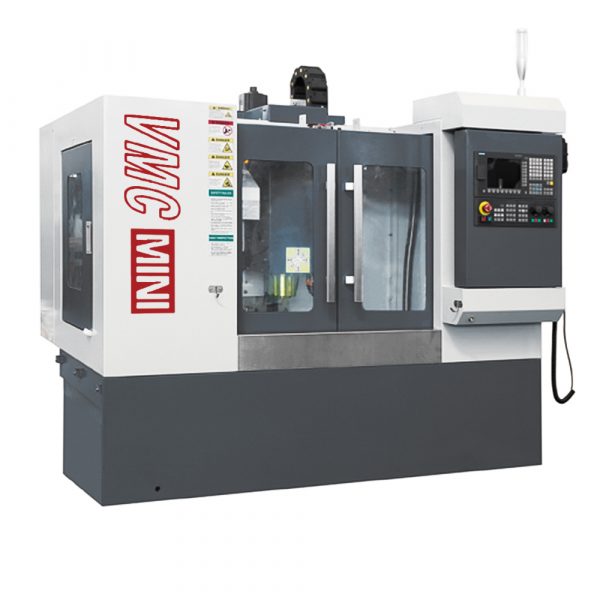
There’s a quiet poetry to a well-tuned machine: toolpaths whispering, spindle speed steady, coolant systems keeping things cool. But poetry alone doesn’t ship parts. In the sections that follow, I’ll walk through what I see every day — the simple misses that add hours, the tweaks that save days — and point toward practical checks you can use next.
Part 2 — Where small machines hide big problems
When I test a small vertical milling machine, I look past the glossy brochure and into the daily grind. Too often, manufacturers focus on headline specs: maximum spindle speed, axis counts, or a flashy automatic tool changer. Those are fine. But the deeper trouble is in the handoff between control and routine — the CNC controller that misreads a simple macro, the feed rate that’s optimistic on paper but kills a cutter in practice, or axis calibration that drifts after a week of hard work. Technical checks reveal a lot: does the servo drive hold position under load? Is the tool changer repeatable to within tenths? Look, it’s simpler than you think: small flaws stack into long stops.
Where do tasks stall?
I’ll be blunt — many stalls come from the mundane. Poor fixturing routines, inconsistent G-code style from different CAM posts, or a coolant system that floods one side of the vise and leaves the other dry. These are not glamorous faults. They are the steady drips that drown a schedule. In practice, I test for repeatability, inspect spindle taper wear, and watch thermal drift over an afternoon run. If the machine needs frequent manual offsets or the tool changer mis-seats a tool, productivity falls fast. I prefer to confirm axis calibration, watch toolpath behavior for chatter, and review cycle times under real loads. — funny how that works, right?
Part 3 — Choosing what comes next: principles and practical metrics
Looking ahead, I focus on two things: technology principles that actually reduce downtime, and supplier fit. For technology, open-architecture CNC controllers that accept edge computing nodes for local optimization can be a game changer. Why? They allow adjustments to feed rate and toolpath smoothing close to the cutting point, lowering cycle time and chatter. For supplier fit, talk to your prospective cnc vertical milling machine supplier (yes, ask about on-site support, spare parts lead time, and training plans). Real answers — not scripted lines — tell you whether the supplier will be a partner when the spindle bearing says no at 2 a.m.
Real-world impact — what to expect
In practice, I weigh semi-formal metrics: mean time between failures under production load, first-cut yield on new programs, and service response time. Those three numbers show whether a machine is a cost or an asset. Also consider ergonomics: is routine maintenance doable by one person? Can we swap a tool quickly without calling a tech? Small things add up to big savings. I’ve seen shops halve their scrap rate by tightening tool management and improving coolant flow; small wins that matter. — and yes, they feel good too.
To help you decide, here are three practical evaluation metrics I use and recommend when choosing systems and suppliers:- Service responsiveness: hours to first qualified technician on site.- Realized cycle time: measured run time on your typical part, not the catalogue number.- Spare parts availability: common consumables and critical spindles in stock or fast shipment.
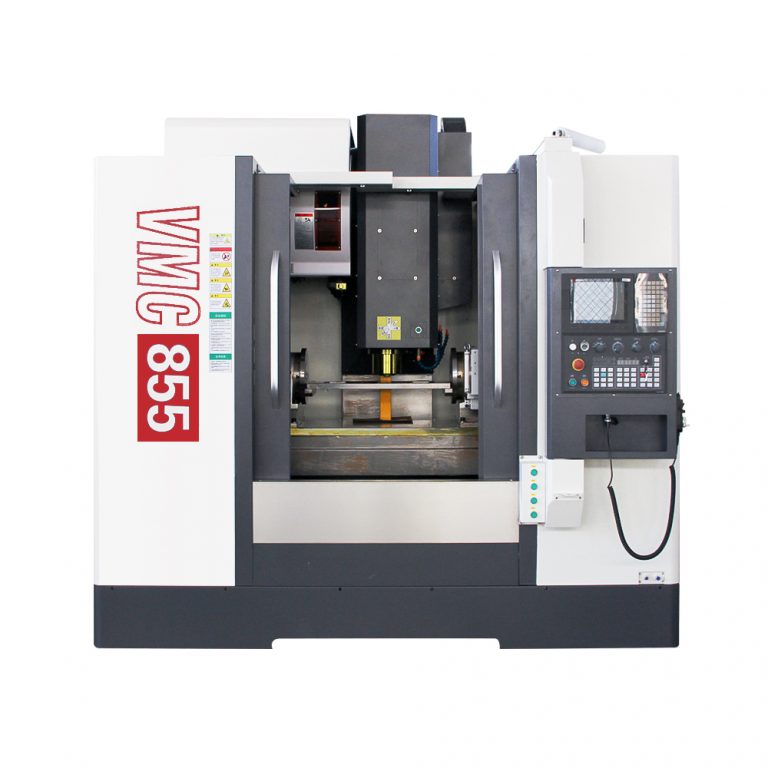
These metrics are easy to check and translate directly into fewer surprises on the floor. I’ve learned to trust suppliers who share these numbers openly. If you want a starting point, compare notes with a trusted vendor and ask them to demo your part run. It tells you more than a spec sheet ever will.
When the dust settles and the last piece leaves the pallet, what matters are steady spindle speeds, reliable tool changers, sensible coolant flow, and a supplier who answers when you call. I’ve worked with many makers; some focus on glossy specs, others on steady uptime. For me, sensible design and fast support win. If you want a partner who’ll stand behind parts and advice, start with firms that let you test a real job and show service metrics upfront — and if you’re curious about one such partner, take a look at Leichman.