
Introduction — a quick scene, a number, a question
I was standing in the drugstore, squinting at a line of clear tubes and wondering why some look like glass while others seem cloudy — a tiny, odd brand obsession of mine. Toothpaste Silica shows up in almost every modern formulation; you’ll find it in gels, pastes, and yes, those sleek transparent toothpaste tubes (it’s the particle game behind the shine). Recent market pulls show consumers pick transparent gels twice as often when packaging and texture match expectations (small studies, but telling). So why do two products that both promise clarity and gentle cleaning end up feeling and performing so differently on the sink? (I ask because I care about what I put in my mouth — and what I recommend to others.) Let’s trace the differences and see what really matters next.

Deep dive: Where traditional solutions fall short
transparent toothpaste often promises “clarity and mild polish,” but the truth is messier. Many brands lean on generic silica abrasives with wide particle size distribution to cut costs. That choice can cause micro-clouding, inconsistent mouthfeel, and variable polishing — even when tubes claim the same RDA. I’ve tested samples where surface area (m2/g) differed and the result was obvious: one gel felt silky, the other grainy. Look, it’s simpler than you think — particle control matters. Manufacturers sometimes ignore hydration levels and binder interactions, which can lead to a toothpaste that separates or loses clarity over shelf life.
What goes wrong, exactly?
There are three recurring flaws I see: poor particle engineering, mismatched viscosity control, and neglect of long-term stability. Poor particle engineering means irregular silica shapes and sizes that scatter light and abrade enamel unevenly. Viscosity mistakes — wrong polymer or surfactant balance — make a gel slump or trap air (hello, cloudy look). And if you skip stability testing, colors shift and clarity fades. I use terms like particle size distribution, RDA, and surface area a lot because they map directly to what users feel: grit, smoothness, and lasting clarity. These are industry basics, but companies shortcut them all the time. The user notices — they don’t buy the second tube.
Forward-looking: New technology principles for better transparent toothpaste
So where do we go from the old recipes? One big shift is purposeful particle engineering: choosing silica grades that balance refractive index with controlled particle size distribution so light passes through instead of scattering. When I talk with formulators, they emphasize surface treatments (functional coatings) to improve compatibility with thickeners and to reduce hazing. That’s the principle behind next-gen transparent gels — harmonize silica abrasives with rheology modifiers rather than force a one-size-fits-all blend. This means fewer surprises in mouthfeel and better, consistent transparency.
What’s next for formulators?
We’re also seeing smarter testing protocols: accelerated shelf-life checks that mimic real temperature swings, and fine-grained RDA profiling across batches. These approaches help avoid the “works-in-the-lab-but-not-in-your-bathroom” problem. I’ve watched a team switch to an engineered silica and cut product returns by half — funny how that works, right? The big idea is simple: match material science to user expectation. Try fewer guesses and more measured choices (and document them).
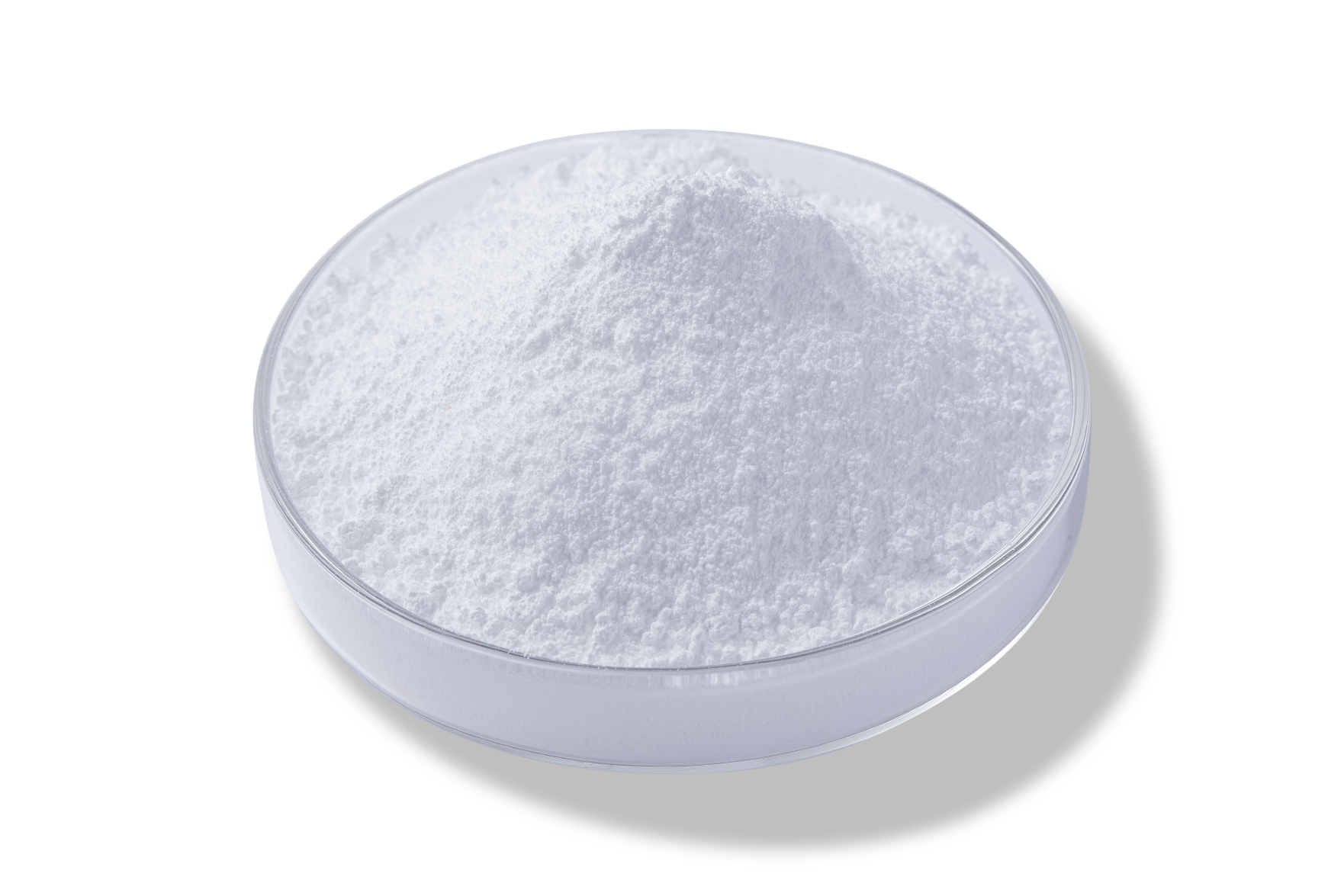
Conclusion — three practical metrics to evaluate transparent toothpaste
After walking through where things go wrong and how principles can solve them, here are three metrics I use personally when I evaluate or recommend transparent toothpaste: 1) Particle profile: check if the supplier provides particle size distribution and surface area data (m2/g). 2) RDA value plus sensory notes: not just a number, but how the paste feels across use. 3) Stability testing evidence: look for accelerated shelf-life studies that report clarity retention and phase separation. Use these and you’ll quickly separate thoughtful brands from the rest. I prefer hands-on verification — I’ll test tubes in real sinks, at home, in the same light as everyone else.
As someone who zoned in on this niche because small details matter to daily routines, I find the difference between a thoughtful and a lazy formulation remarkable. Choosing the right silica grade, checking particle specs, and insisting on solid stability tests will save headaches for both makers and users. If you want to peek at a supplier doing these things with purpose, see JSJ — they list technical specs and product notes that make decisions easier: JSJ.