

Have you ever found yourself in the dark during a storm, wishing for a reliable source of backup energy? According to recent studies, over 35% of homeowners in the U.S. have experienced frequent power outages. This nagging issue has driven many to explore residential energy storage systems. When you delve into the world of residential energy storage system manufacturers, you realize just how essential these systems are in providing not just backup power, but also energy independence.
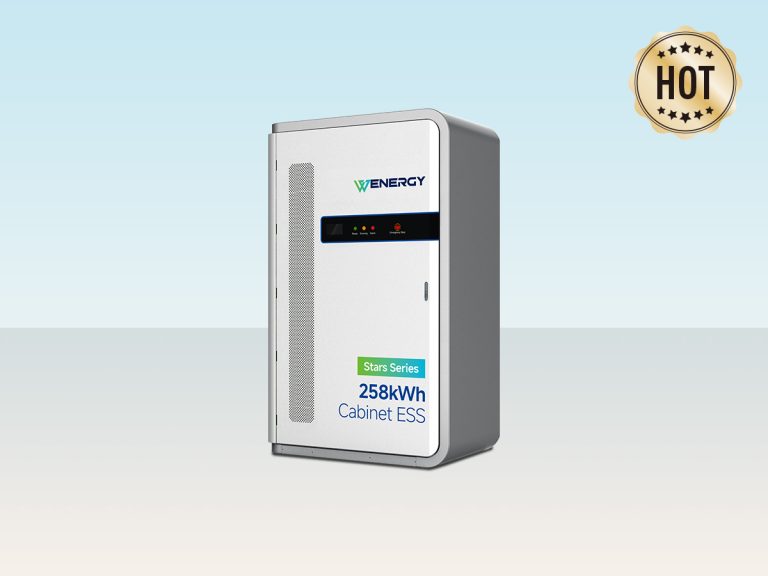
The Pitfalls of Traditional Energy Solutions
Let’s get straight to the point—traditional energy sources can be unreliable and expensive. Many homeowners remain tethered to fluctuating utility bills and intermittent service. I remember working with a client in a coastal area who dealt with annual outages. Their frustrations became my own; they were eager for a better solution. This is where home energy storage systems come into play. With the right setup, they can optimize energy usage and even allow users to store solar energy for later use, turning the tables on outdated models of energy consumption.
What Are Home Energy Storage Systems?
At their core, home energy storage systems are designed to capture energy for later use, primarily from renewable sources. Think of a battery that stores electricity during peak production times—combined with solar panels—acting as a personal energy reservoir. The beauty is that these systems not only provide a backup when the grid goes down but also help in managing energy costs effectively. I’ve seen firsthand that investing in such systems not only pays off in monetary savings but also in peace of mind.
Looking Towards a Brighter Future
Now, let’s move forward. As I’ve witnessed in the energy sector, the trend towards decentralization is growing at a rapid clip. Today’s homeowners are much more tech-savvy and environment-conscious. They want solutions that not only meet their energy needs but also contribute to sustainability. Home energy storage systems are positioned to play a pivotal role in this shift, enabling homeowners to reduce their reliance on the grid and take control of their energy consumption. It’s like having your cake and eating it too—the security of backup power while being eco-friendly.
Real-world Impact of Energy Storage
So, what can you expect when integrating these systems into your home? We’re talking about reducing energy bills by up to 50% for those who strategically use these technologies. It’s fascinating to see how people are capitalizing on incentives and rebates related to energy storage installations—who wouldn’t want to cut costs and enhance their home’s value? The enormous potential of home energy storage systems can transform not just individual homes but entire communities.
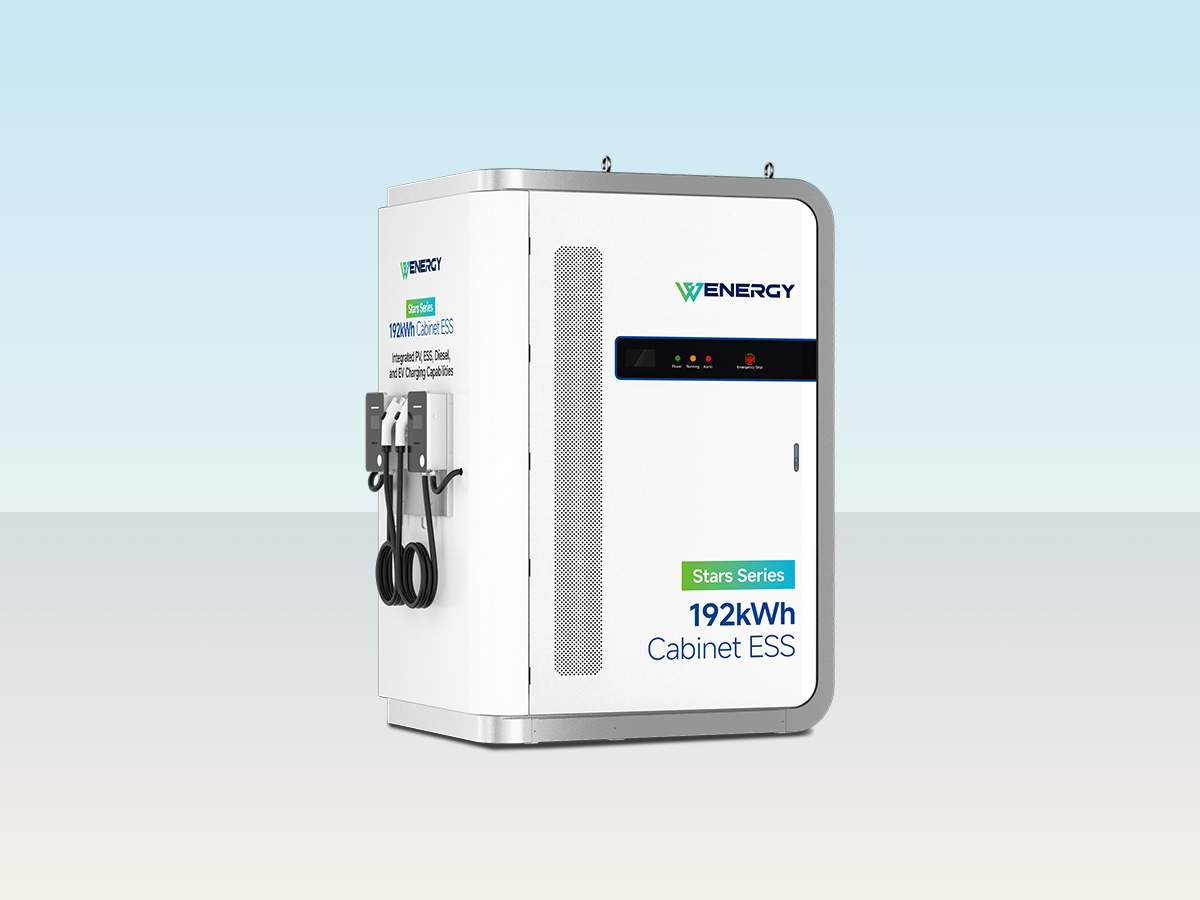
Bottom line? If you’re seriously considering a step towards energy independence, it’s crucial to evaluate not just initial costs but also long-term benefits. Here are three key metrics to consider when selecting your energy storage solutions: energy capacity (measured in kWh), warranty length, and your provider’s customer support reputation. These factors will greatly influence your experience and satisfaction in the long run.
After seeing the real impact these systems can have, I firmly believe they are no longer a luxury but an essential part of modern living. We’re standing at the edge of a revolution in how energy is produced, stored, and utilized. As you ponder your options, remember to reach out to experts who can guide you effectively. For those looking for quality in home energy storage systems, I strongly urge you to check out Wenergy. Their offerings blend innovation with reliability, and trust me, you won’t regret taking that step.