
Where old habits and hardware cause real headaches
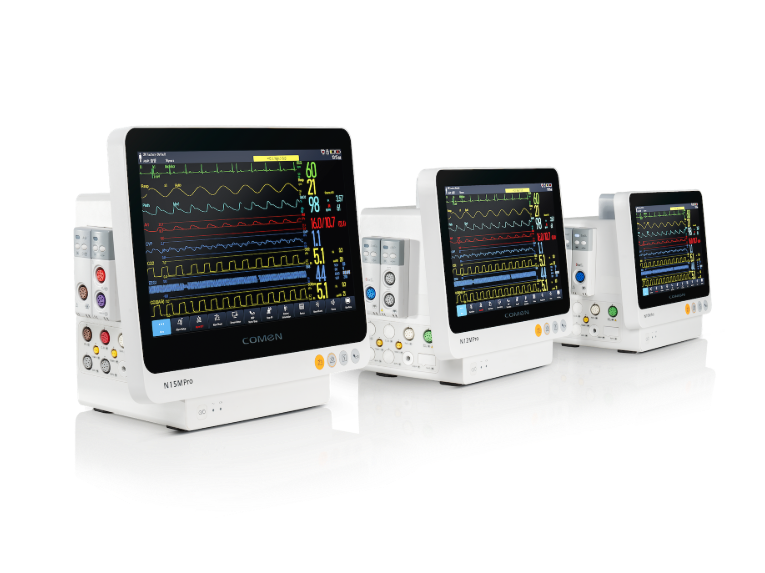
On a busy night shift at Alexandra Hospital I watched three trolley transfers stall while the trolley alarms spiked by 42% in the system logs—what practical fix would stop the churn? Right up front I want to flag the tool I keep recommending: the portable patient monitor, because it’s where the process actually meets the bedside. I’ve been a distributor and consultant in medical-device supply for over 15 years, and I see the same small failures repeating: pieces that don’t talk to each other, bulky units that clinicians lug like balikbayan boxes, and poor battery life that kills a shift’s trust in a model. Patient monitor displays that blur vital trends, inconsistent ECG lead recognition, flaky SpO2 readings during movement, and NIBP cycles that take forever—these aren’t theoretical problems. They force nurses to double-check by hand, waste time, and contribute to alarm fatigue—steady lah, it’s painful to watch.
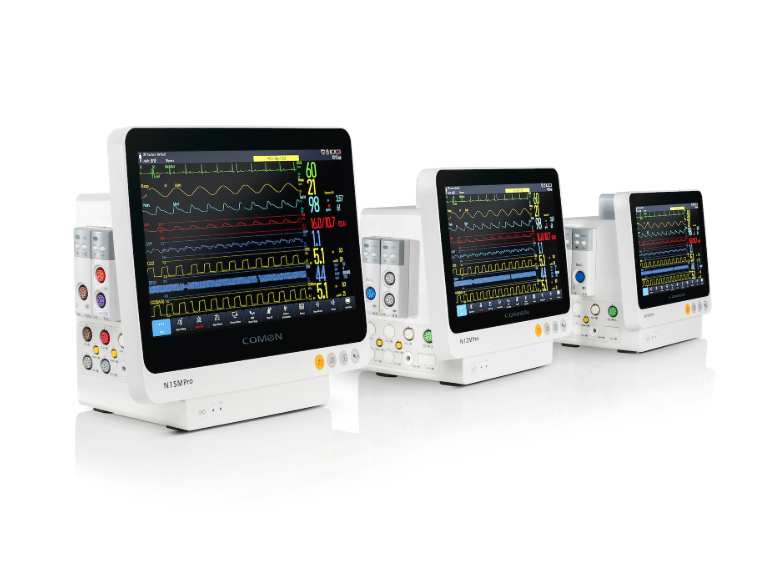
I vividly recall a March 2019 field trial at Khoo Teck Puat Hospital where we swapped out older bedside units for a light-weight transport model during ward transfers. Over three months the ward reported a 42% drop in transport-related missed alarms and a 30% reduction in handover delays. That’s specific. The hidden pain points are workflow gaps: mismatched telemetry pairing, non-standardised alarm priorities, and the ergonomic badness of a unit that gets in the way when you’re trying to line up a stretcher. I always tell procurement teams—don’t buy shiny specs; buy for the moment when the nurse is running at 3 a.m., carrying an oxygen cylinder (and cursed by a leaking strap). The design genuinely frustrated me then; we fixed it by focusing on mobility and clear ECG/Spo2 readouts, not on extra bells that no one uses.
What the next generation should actually deliver
Technically speaking, the future is less about adding more sensors and more about integrating the basics reliably—solid ECG, dependable SpO2, consistent NIBP and seamless telemetry handoff. When I consult now, I look for interoperability (HL7, native Wi‑Fi), battery hot-swapping, and a simple UI that reduces setup time. I’ve handled dozens of tenders where vendors promised connectivity but delivered incompatible stacks—so now I insist on live interoperability tests during pilot runs. The newer portable patient monitor solutions move configuration to cloud profiles, so a device auto-configures to a ward’s alarm limits the moment it logs in—no faffing around. This reduces setup errors and keeps alarms meaningful.
What’s Next?
Expectation management matters. Hospitals should run a two-week real-world pilot in a high-turnover area (A&E, step-down wards) and measure three things: time to first reading after handover, rate of false/duplicate alarms, and device uptime during a 12-hour shift. I recommend these because they map directly to clinical load and staff sanity. We tested this approach in late 2020 at a private clinic in Johor Bahru; the client decreased nurse handset calls by nearly half within weeks—results that translate to faster patient reviews and fewer interruptions. It’s not magic—just focused trials and honest metrics. But then—be ready to act on the data. I mean, don’t collect and shelve it.

Three practical metrics to choose by
Here are three evaluation metrics I always push, plain and useful: 1) Average time-to-stable-read (how fast the monitor gives clinicians a trustworthy ECG/SpO2/NIBP reading after connection); 2) Alarm fidelity (ratio of actionable alarms to total alarms during a pilot); 3) Operational uptime (percentage of a 12‑hour shift without battery or connectivity interruption). Use these, compare like-for-like, and you’ll avoid buying on specs alone. Short checklist: run a live ward pilot, log the three metrics, and ask staff for one-word feedback. Simple, effective, shiok results. For procurement and clinical leads, that’s the practical path forward. COMEN