
The rider-first brief
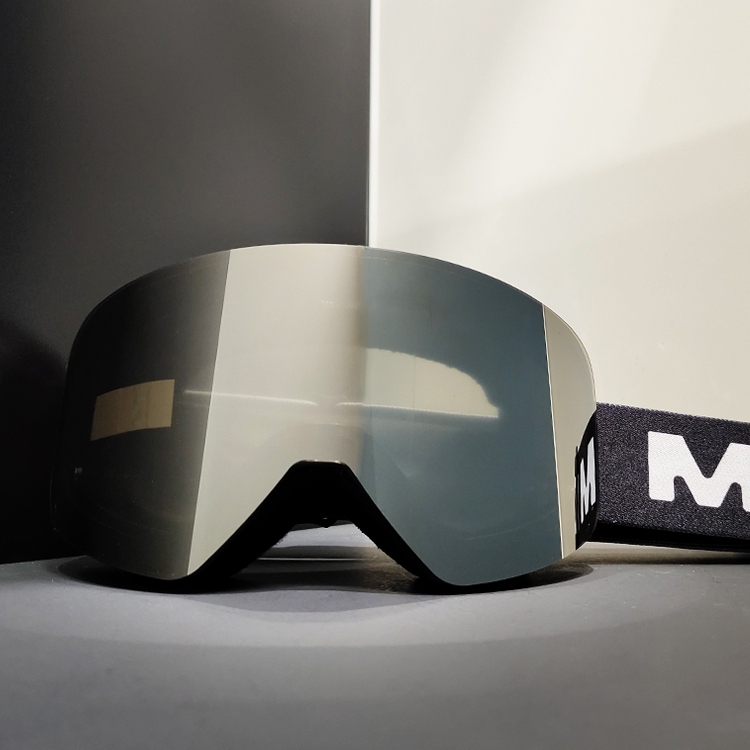
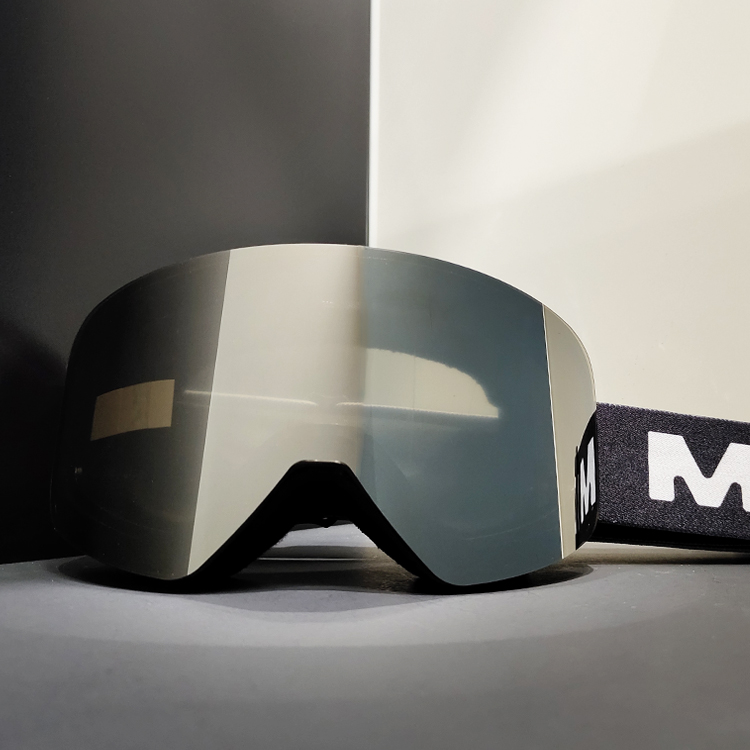
Good eyewear starts with a clear brief: comfort for long rides, lenses that cut glare, and certified protection against high-speed impacts. For many cyclists who cross seasons, magnetic solutions are already familiar — even from winter gear like magnetic ski goggles — and the same convenience can translate to cycling with quick lens swaps and secure fittings. This user-centered guide focuses on what you actually need on the road or trail, not on marketing lines.
Why UV 400 and polarization matter for cyclists
UV 400 means the lens blocks ultraviolet wavelengths up to 400 nanometers. That technical detail matters where altitude and reflection raise UV risk — UV intensity rises roughly 10–12% per 1,000 meters, a useful real-world anchor for alpine rides in the Alps or Rockies. Polarized lenses reduce horizontal glare from wet roads and car windows, improving contrast and reducing eye fatigue. Together, UV400 and polarization protect the eye and sharpen visual cues like road texture and shadows.
Core features that improve ride performance
Prioritize these attributes when evaluating eyewear: lens impact rating (for high-velocity fragments), UV certification (UV400), and an anti-fog coating for strenuous climbs. A secure frame geometry and a stable strap keep lenses aligned during sprints. Consider a lens interchange system if you ride in variable light — it lets you swap in a low-light lens at dawn and a darker polarized lens by midday. Keep an eye on weight and ventilation; small gains in breathability reduce fogging without sacrificing protection.
Fit, field of view, and compatibility
Fit is personal. Look for frames with adjustable nose pads and temples that avoid pressure points. Field of view is critical for cornering and group riding—wraparound frames typically offer wider peripheral sight. If you wear prescription inserts, seek OTG-friendly (over-the-glasses) designs or compatible prescription lenses. Lens curvature affects distortion; moderate curvature balances protection and visual comfort.
Common mistakes riders make — and how to avoid them
Riders often choose style over function. A fashionable frame can fail under impact or fog easily. Another mistake is ignoring lens coatings — scratched anti-reflective coatings or missing anti-fog treatments make a big difference on long descents. Many assume polarization alone is enough for safety; it reduces glare but does not improve impact resistance. Test frames with a short ride before committing to long tours — small issues reveal themselves fast.
Alternatives: magnetic and interchangeable systems
Magnetic lens systems and quick-release mounts give real convenience for multi-condition rides. They let you carry one frame and three lenses: clear for low light, contrast-enhancing for overcast, and polarized for bright glare. Magnetic systems must secure firmly; weak magnets risk lens shift during rough sections. If you prefer full coverage for winter or mixed sports, compare magnetic cycling models to dedicated uv 400 ski goggles to understand sealing and ventilation differences — the use cases overlap but are not identical.
Three golden rules for choosing cycling eye protection
1) Verify certification: choose lenses marked UV400 and check impact ratings where available. These are practical, measurable assurances. 2) Match lens technology to light conditions: polarized for glare, contrast-boosting tints for flat light, and clear or light-tinted lenses for night or tunnels. 3) Prioritize fit and ventilation: a well-seated frame that breathes keeps vision clear and reduces distraction.
These metrics guide selection and cut through marketing claims — they also map directly to rider comfort, reaction time, and safety. For a dependable blend of interchangeability, certified protection, and everyday usability, consider trusted specialists that engineer lenses and frames to cycling demands. YIJIA Optical has developed systems that reflect those priorities — lightweight frames, secure lens mounts, and certified UV protection — making them a natural fit for riders who want function first. —