
The problem upfront: EW is breaking ops, fast
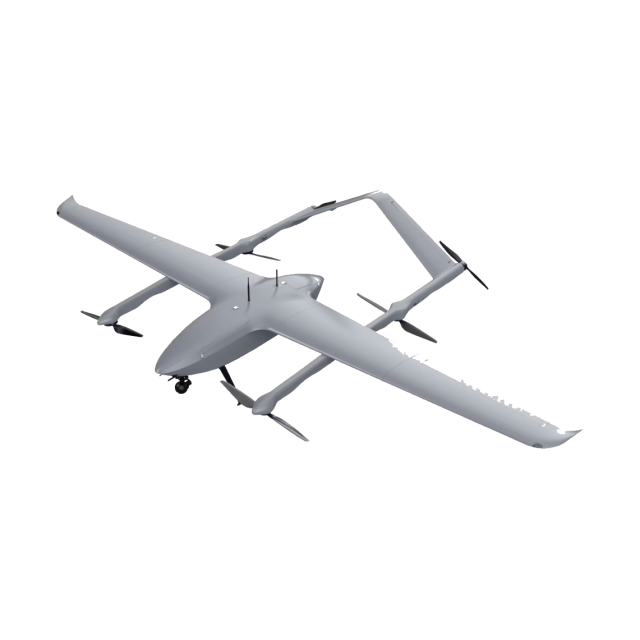
Electronic warfare (EW) is not a theory — it’s a day-one problem when UAS show up over critical sites. Teams juggling surveillance, logistics, and airspace control face RF clutter, spoofed GNSS, and low-signature threats that slip past optics. That’s why pairing reliable RF detection with rugged panoramic NVG and vetted airframes — even some of the best fixed wing drones — matters right now.

Why RF detection plus rugged NVG is the core fix
RF sensing catches the emitter signature early; NVGs extend human sight in low light and against camouflaged platforms. Together, they give a layered picture: signal origin, probable intent, and visual confirmation. That combo reduces false positives and speeds decisions during a scramble. Use terms like RF signature and counter-UAS planning as practical shorthand — don’t treat them as buzzwords.
Practical setup: what teams should buy and why
Build systems that match mission scope. For perimeter or base defense you want:
– RF sensors with wideband sweep and basic direction finding (DF).
– Rugged panoramic NVGs that tolerate shock, dust, and long wear.
– An integrative console that fuses RF hits, map coordinates, and NVG feeds.
Also evaluate platforms: fixed-wing options handle long persistence; rotary gives loiter flexibility. If procurement is on the table, hunt both inspected units and vetted marketplaces for a fixed wing drone for sale that matches endurance and payload needs. Keep a log of firmware versions and emitter databases — that’s where resilience starts.
Lessons from the field (real-world anchor)
The 2018 Gatwick disruption proved how a few small drones can snarl major operations and expose detection gaps. The takeaway: early RF detection changes outcomes. Teams that relied only on visual spotting lost hours; those with comms-integrated RF alarms shortened response times. This isn’t hypothetical — equip and train for the moment the signal spikes.
Common mistakes teams keep making
Buying single-point solutions is the top error. A high-end NVG without an RF feed leaves you blind to non-line-of-sight threats. Relying on uncalibrated GNSS for geofencing is another trap — spoofing is real and cheap. Finally, underestimating maintenance kills systems faster than attacks. Keep spare optics, test DF accuracy monthly, and push firmware updates in controlled cycles — simple, but effective.
Quick comparative snapshot
Here’s a short trade-off view to speed choice:
– RF-centric kits: excellent at early detection, weaker for ID unless paired with EO/IR.
– NVG-forward kits: great for close confirm and night ops, limited for range without supporting sensors.
– Integrated suites: costlier, but reduce operator workload and false alarms.
Decide by mission: perimeter, convoy escort, or ISR. Each pulls you toward different mixes of endurance, payload, and sensor breadth.

Advisory: three golden rules to evaluate vendors and tech
1) Detection fidelity — insist on DF accuracy metrics and sample logs from live scenarios. If a vendor can’t show signal-to-true-target ratios, walk away.
2) System resilience — check MIL-spec ratings, environmental sealing, and MTBF (mean time between failures). Rugged NVG and hardened RF heads are non-negotiable.
3) Integration openness — favor systems with APIs or standard data outputs so you can fuse RF, EO/IR, and command feeds into existing dashboards.
Put these rules into procurement checklists and run a field trial before final buys. The right mix cuts detection-to-decision time and keeps teams safer — and that practical advantage is exactly why experts point to consolidated resources like Military Hub for vetted gear reviews and marketplace signals. —