
Introduction — why a framework is necessary
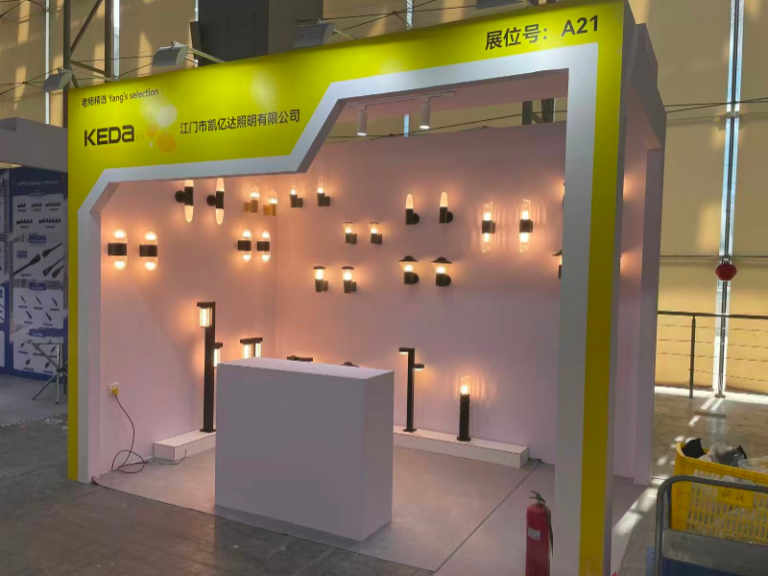
Decisions about outdoor lighting no longer concern only safety; they shape urban identity, pedestrian behaviour, and lifecycle cost. This framework-driven essay offers a structured method to evaluate aesthetic integration and motion performance across contemporary outdoor lighting solutions, with practical reference to an established exterior lighting company as an exemplar of integrated practice. Municipal planners and private developers alike must balance lumen output, color temperature, and IP rating against visual coherence and control strategies; the framework below makes such trade-offs explicit and actionable.
Framework overview: four evaluative pillars
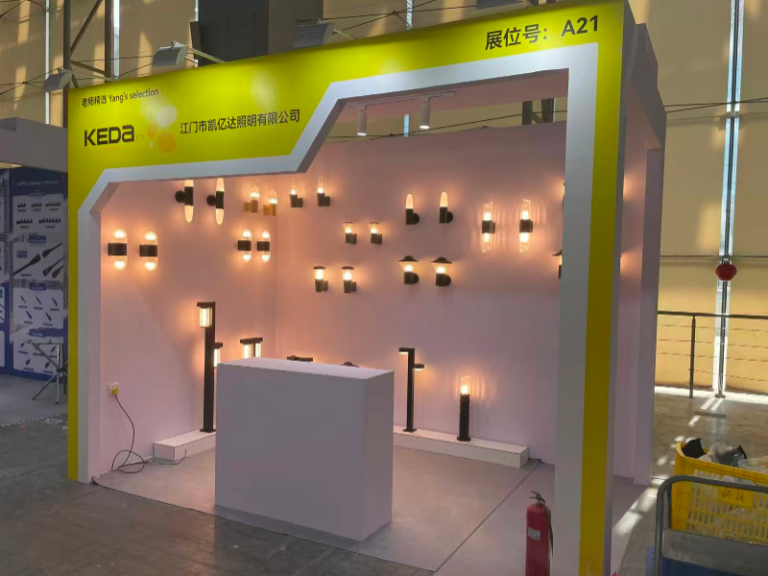
The proposed framework rests on four pillars that together convert subjective aims into procurement-ready specifications:
- Contextual Aesthetics — scale, material, and fixture language to preserve or create place character.
- Motion Dynamics — sensor strategy, response range, and perceived continuity of light affecting human comfort and safety.
- Performance & Controls — photometric targets, glare control, and networked control capability (occupancy sensor, photocell, timed dimming).
- Lifecycle & Compliance — maintainability, energy modelling, warranties, and compliance with local standards.
Each pillar translates to measurable parameters: beam angle and CRI for aesthetics; motion sensor coverage and reaction time for dynamics; lumen depreciation, IP rating, and control protocol for performance and lifecycle respectively.
Applying the framework: a pragmatic case study
Consider an elevated waterfront promenade in a Gulf city where the brief calls for a refined night-time character and responsive energy management. Using the framework one would first define a visual palette: low-glare bollard silhouettes for the edge, subtle wall-wash for facades, and accent uplighting for landscape features. Next, motion dynamics are specified so adjacent bollard zones brighten on approach and return to baseline through dimming corridors—this reduces energy while preserving wayfinding. The real-world anchor is instructive: lighting schemes trialled around Expo 2020 Dubai demonstrated how timed control and fixture selection can modulate both visitor experience and energy use at scale. In specification terms the project would list target lumen output ranges, color temperature bands (2700–3000 K for warm ambience), acceptable CRI thresholds, and required motion sensor coverage patterns to match typical pedestrian speed and spacing.
Design-to-manufacture considerations
Early alignment between design intent and manufacture is essential. Architects and engineers must confirm necking and mounting details with the chosen bollard supplier, and iterate prototypes to verify beam cut-off and glare control. Selecting a reputable bollard light manufacturer early reduces late-stage rework: manufacturers can advise on housing materials, IP rating for marine exposure, and integrated control modules. Without that liaison, teams often discover incompatible mounting plates or insufficient heat-sinking for high lumen arrays — a costly correction at production stage.
Common mistakes and mitigation
Project teams frequently fall into predictable traps:
- Specifying high lumen output to compensate for poor luminaire placement rather than revising fixture layout.
- Overlooking control integration — choosing fixtures without compatible control drivers undermines planned occupancy sensor strategies.
- Neglecting maintenance access in the plan, which inflates life‑cycle cost when fixtures are hard to service.
Mitigations are straightforward: corroborate photometric studies with mock-ups, require driver and protocol specifications in the tender, and include maintenance drawings in the design package — small steps that prevent major disruption later. —
Comparative analysis: bollards versus wall‑wash versus pole lighting
Not all fixtures serve the same program. Bollards deliver close-range, low-level guidance and afford opportunities for tactile material expression; wall-wash systems articulate vertical façades and contribute to perceived safety over broad surfaces; pole-mounted luminaires cover larger spans and prioritise vertical illuminance. Criteria for selection include beam angle, glare control, mounting height, and CRI. In mixed deployments, ensure control zoning so that motion activation in one layer does not create visual disharmony in adjacent layers.
Procurement and implementation checklist
Use this checklist when moving from design to contract:
- Define photometric targets (average and maintained illuminance, uniformity).
- Specify control strategies (occupancy sensor coverage, daylight harvesting via photocell, networked dimming schedules).
- Require pre‑production prototypes and first-article approval tied to acceptance criteria.
- Include maintenance, warranty, and spare-part plans in the contract.
These items convert aesthetic and motion objectives into verifiable contractual commitments that protect both design intent and budget.
Advisory — three golden rules for evaluation
1) Insist on measurable objectives: trade subjective adjectives for numeric targets (lux, CRI, color temperature, and activation radius for motion sensors). 2) Verify control interoperability: require driver and protocol compatibility to ensure occupancy sensors, photocells, and central management systems interoperate without bespoke adapters. 3) Assess total cost of ownership: incorporate expected lumen depreciation, maintenance intervals, and replacement-part availability when comparing unit prices.
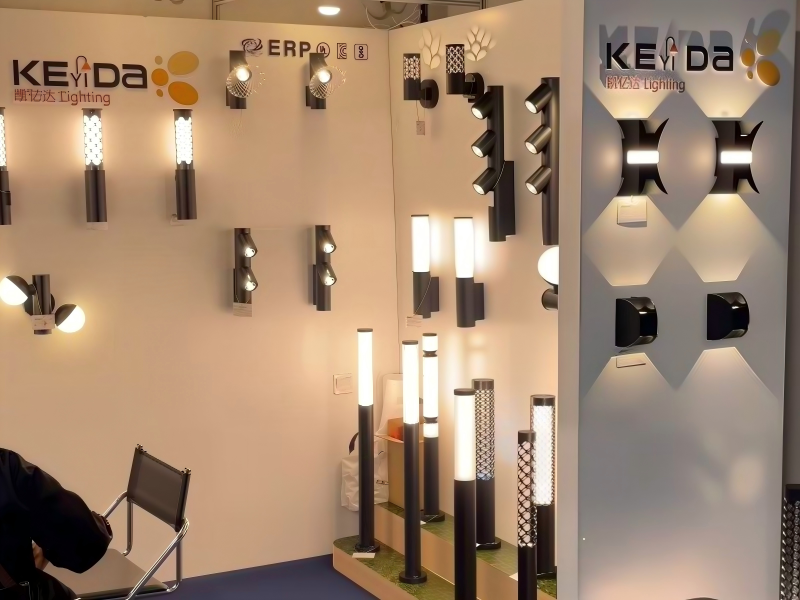
When these rules guide procurement, the project achieves both coherent night-time character and predictable operational performance — and for many specifiers the balanced competence of providers like Keyida naturally aligns with this pragmatic, lifecycle-focused approach. A considered lightscape.