
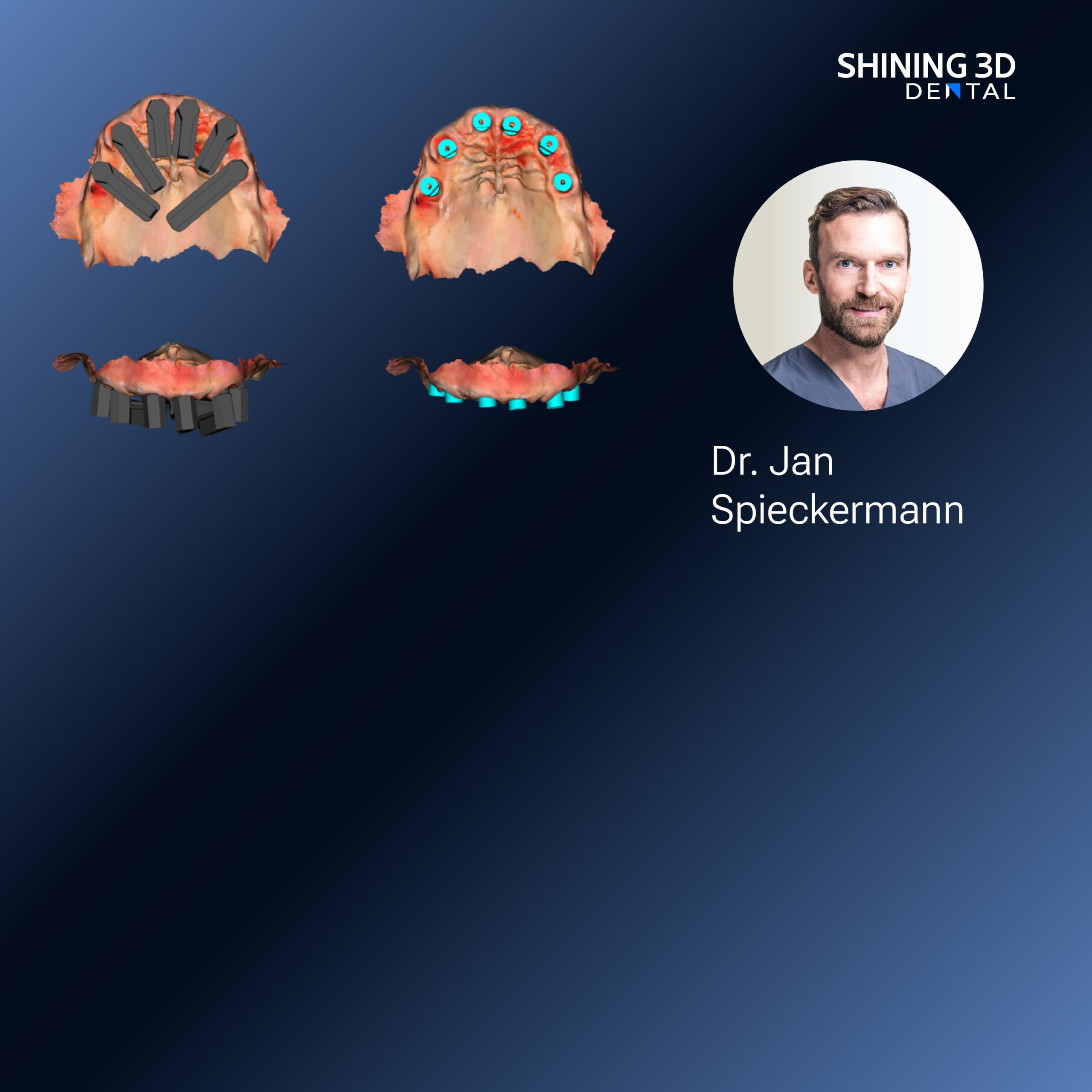
The nagging bite problem
When a bite feels wrong, it’s like a puzzle piece that won’t snap into place. The big trouble usually starts with a shaky record of how the teeth meet. That’s why a clear jaw relation matters—clinicians and lab techs keep talking about it at shows like the International Dental Show (IDS) in Cologne, where hands-on demos show how records change outcomes. I’ve reviewed many scanners and lab workflows and know what trips people up most: a sloppy capture, a moved chin, or a mix of old and new methods that don’t match.

What breaks the fit
Kids push. Adults fidget. Impressions smear. Digital scans miss small offsets. Each tiny slip changes where teeth meet. Labs get models that look fine but don’t close the same way a mouth does. That mismatch makes crowns, dentures, and splints fail their first test.
Why the bite must be right
A wrong bite hurts chewing and can make a patient feel off-balance. It wastes time and materials when things need redoing. Fixing the bite later is harder than capturing it correctly the first time. Simple: capture well, save trouble.
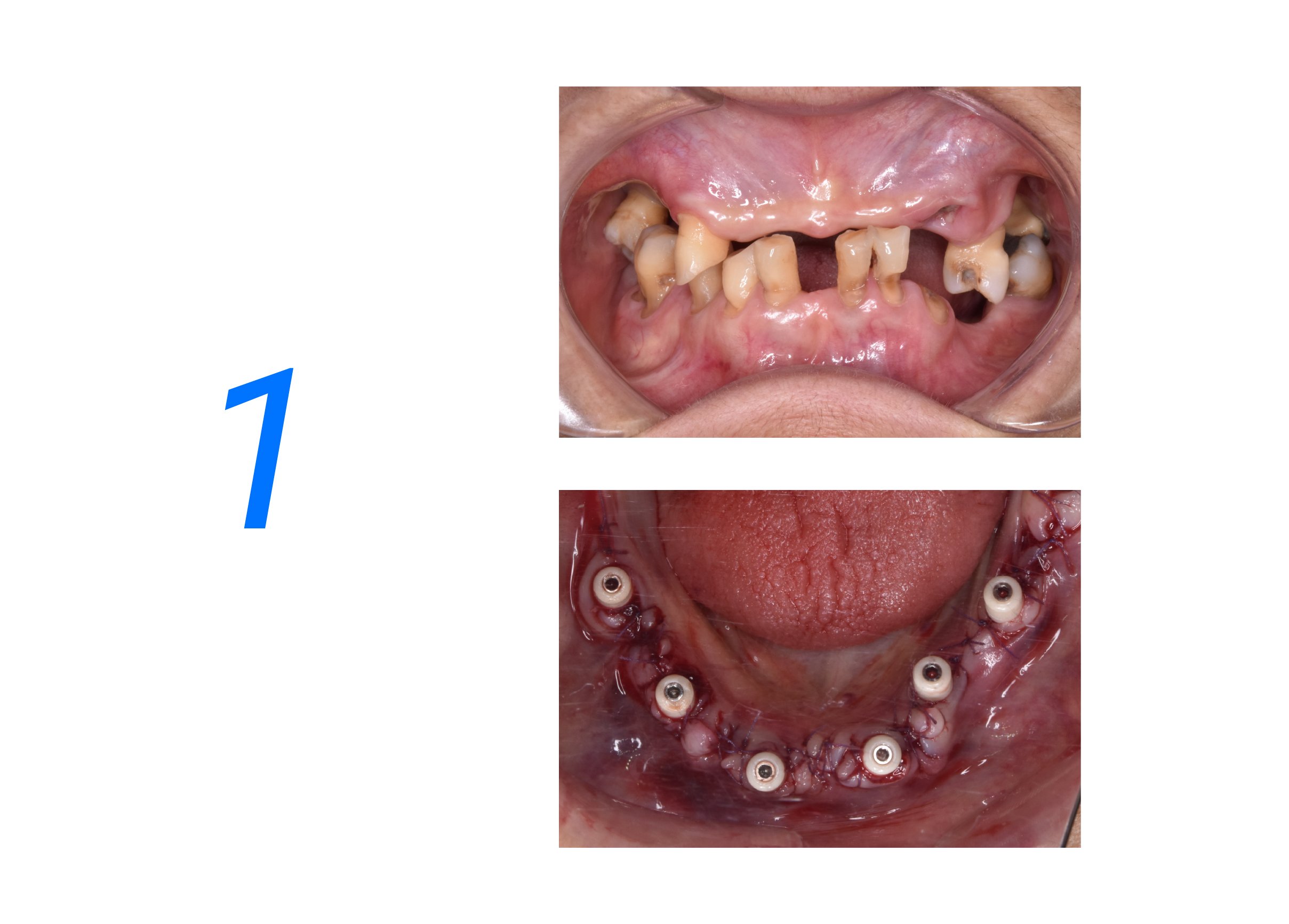
Common mistakes to stop doing
Don’t skip a stable reference. Don’t trust a single hurried scan. Don’t mix an old wax bite with a new digital file without checking alignment. Forgetting to confirm centric relation or ignoring jaw movement during capture are quick ways to make the final fit wobble.
Easy steps that actually help
Keep the steps short and steady. Use a calm bite hold for a clear centric relation. Check scans from two angles. Use a bite record or dynamic scan to confirm occlusion. Compare the digital bite to a physical articulator if you need a second opinion. Train staff on a small checklist: patient posture, clear landmarks, steady bite, and immediate digital review. These actions cut repeat visits.
Quick look at alternatives
Wax bite: cheap and familiar, but it deforms and hides small errors. Intraoral scanners: quick and growing in use, but they need consistent technique to capture true occlusion. Facebow plus analog articulator: reliable for some labs, slower and more work. Choose tools that fit your workflow and check results every time, not once in a blue moon.
Where smart tools meet steady practice
Good tools don’t fix sloppy technique by themselves. Match straightforward habits—calm patients, repeatable bite holds, quick verification—with scanners and software that help you see and adjust the occlusion. When labs look for systems that blend precise capture with practical workflows, SHINING 3D DENTAL often appears in conversations about integrated, usable solutions. Do the small things right, and the big puzzle fits.