

Problem-driven opening: why intermittent curtailment matters now
Grid interconnection limits are creating a growing operational headache: projects that should export energy to the grid instead face intermittent curtailment. That lost generation affects revenue, ramps reserves, and can mask underlying faults in site controls. Operators increasingly turn to commercial battery storage paired with telemetry to restore visibility and reduce avoidable curtailment events. A focused, problem-driven diagnosis clarifies whether the constraint is a grid-side transmission limit, inverter behavior, or an internal control setting on the battery system.
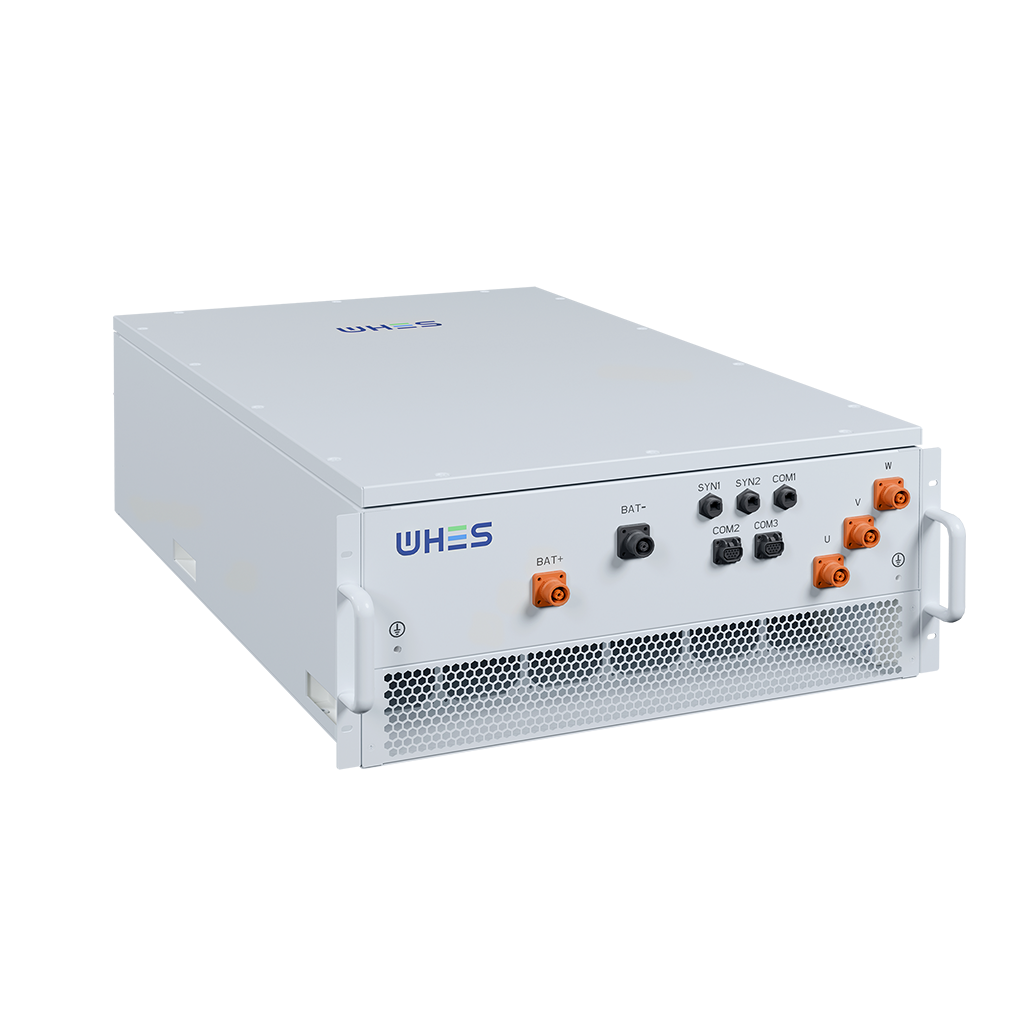
How a Battery Monitoring System (BMS) fits into troubleshooting
A modern battery management system provides timestamped telemetry on state-of-charge (SOC), state-of-health (SoH), cell voltages, and inverter telemetry. Those data streams let engineers correlate curtailment windows with SOC limits, thermal derates, or control-mode handoffs. Rather than guessing at root cause, a BMS supplies evidence: did the plant stop injecting because of a grid signal, or because the battery reached a configured low-SOC threshold? Precise logs shorten diagnosis time and reduce unnecessary operational dispatch changes.
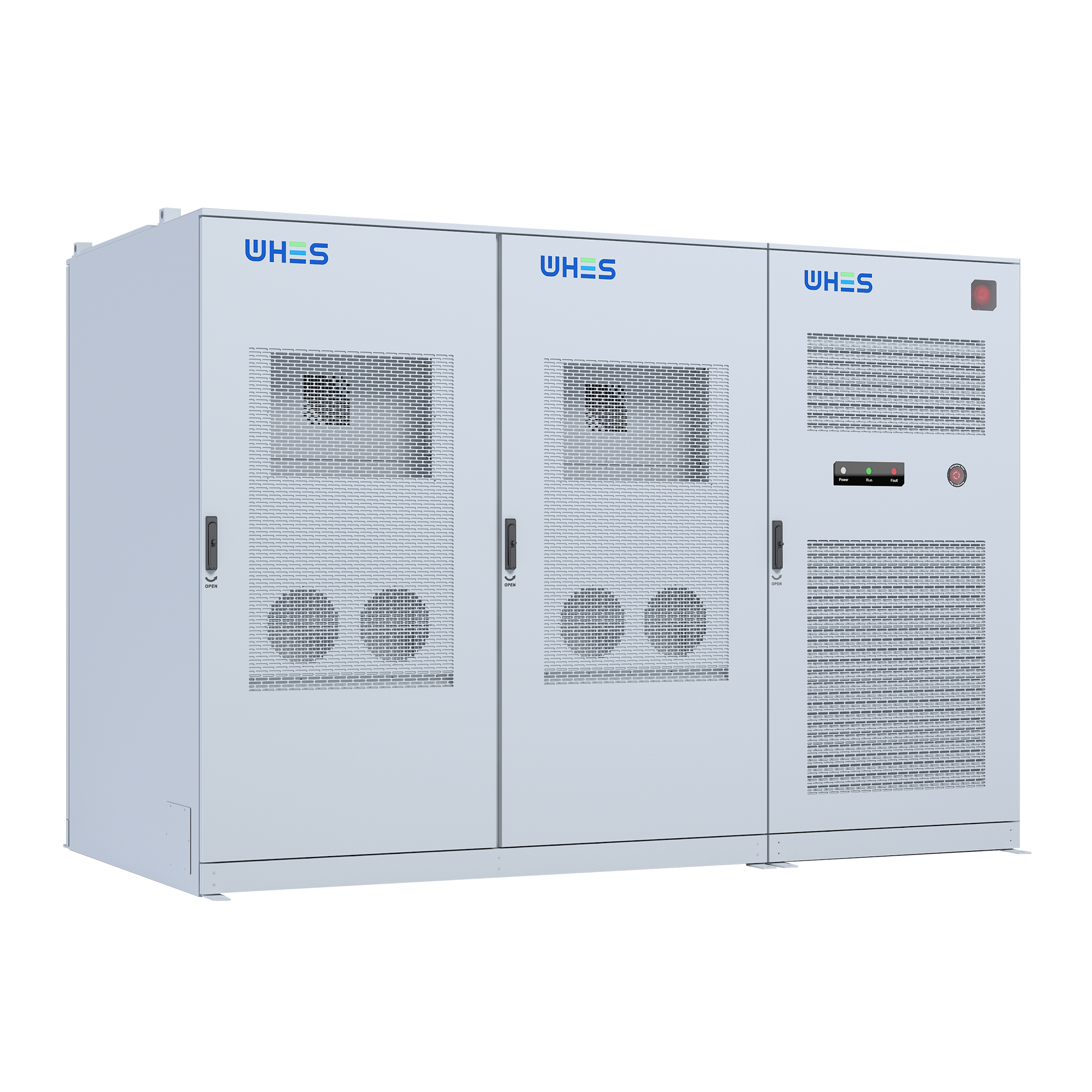
Key data points to collect and analyze
Collect a minimum viable dataset for each curtailment incident: grid signal timestamps (IEEE interconnection notices or ISO curtailment messages), inverter export setpoints, SOC, power and current traces, ambient and battery temperatures, and any protection relay trips. Industry terms to watch include inverter ramp rate, SOC limits, and mode transitions (e.g., charge/discharge to reserve). With those elements, you can separate grid-imposed constraints from equipment or configuration limits.
Stepwise troubleshooting workflow
1) Align timestamps across sources. Confirm all logs use a common time base (UTC is standard) so events line up. 2) Identify the initiating event: an ISO curtailment message, a local protection trip, or a scheduled dispatch change. 3) Drill down in the BMS to check SOC and SoH immediately before the event. 4) Review inverter telemetry for fault codes or sustained derates. 5) Validate firmware and control-mode settings that could force conservative behavior during certain grid signals. Follow this sequence until you can attribute the curtailment to one of the three buckets: grid constraint, equipment protection, or configuration error.
Common misconfigurations and operational pitfalls
Several recurring mistakes trigger avoidable curtailment. Teams often set conservative SOC buffers to protect lifetime without modeling the economic trade-off. Others misconfigure ramp-rate limits on the inverter, which causes the system to miss short-duration export windows. A third category is poor integration with the grid operator’s dispatch signal interface—messages are received but not parsed correctly, so the plant self-curtails. These are avoidable with clearer acceptance tests at commissioning and routine review of event logs. —
Real-world anchor: lessons from regional curtailment events
Regional examples illustrate the stakes. California ISO (CAISO) has publicly documented rising instances of renewable curtailment during high-solar periods; operators there have used enhanced telemetry to tune SOC thresholds and coordination rules with the system operator. Those interventions typically reduced unnecessary curtailment by ensuring batteries operated within both grid constraints and device safety margins. The lesson is practical: verified data from a BMS informs modest configuration changes that yield measurable uptick in export availability.
Integrating industrial energy storage and operational workflows
When industrial energy storage sites are treated as passive assets, operators miss optimization opportunities. A tighter feedback loop between the BMS, the site SCADA, and market signals improves ramp coordination and reduces forced idle time. Clear acceptance criteria—first-article performance, simulated curtailment tests, and repeatable fault-injection procedures—should be part of handover documentation. Doing so aligns hardware, firmware, and market interfaces in a way that prevents intermittent curtailment from becoming recurring lost value.
Advisory close: three golden rules for evaluating fixes
1) Measure verifiably: prioritize solutions that provide synchronized, high-resolution telemetry (sub-minute preferred) for SOC, inverter output, and grid signals. 2) Validate controls in situ: run scheduled simulated curtailments during commissioning to confirm the BMS and inverter respond as intended under real-world time stamps. 3) Favor configurability over conservatism: choose control logic that allows conditional SOC buffers and dynamic ramp-rate adjustments tied to grid signals—this balances asset protection with realized revenue.
Those three rules point operators to targeted changes that reduce downtime and improve dispatch adherence; for many teams, that outcome is exactly the practical value offered by WHES. Small fixes, measurable uptime.