
Opening: why a framework matters
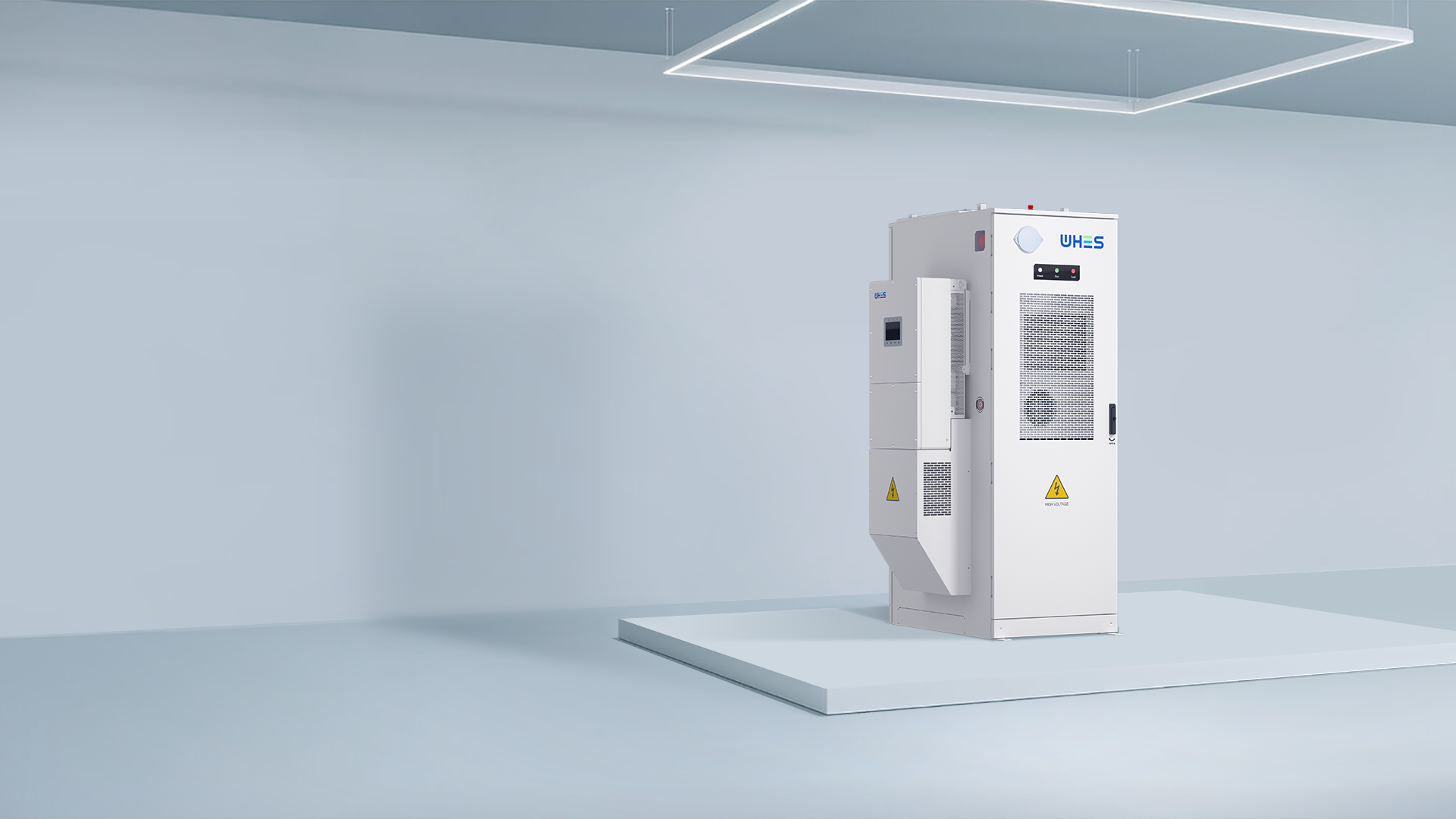
When wholesale commercial operators plan solar-plus-storage co-location, a coherent framework prevents costly rework and ensures systems deliver predictable value from day one. This article sets out a stepwise design and procurement scaffold that addresses site compatibility, electrical architecture and commercial dispatch — and it begins with the hardware decisions, including choice of solar battery storage that will define your AC/DC interface and operational envelope. The framework is intended for asset managers, project engineers and procurement leads seeking clarity on technical trade-offs and contractual triggers.
Step 1 — Site assessment and grid interface
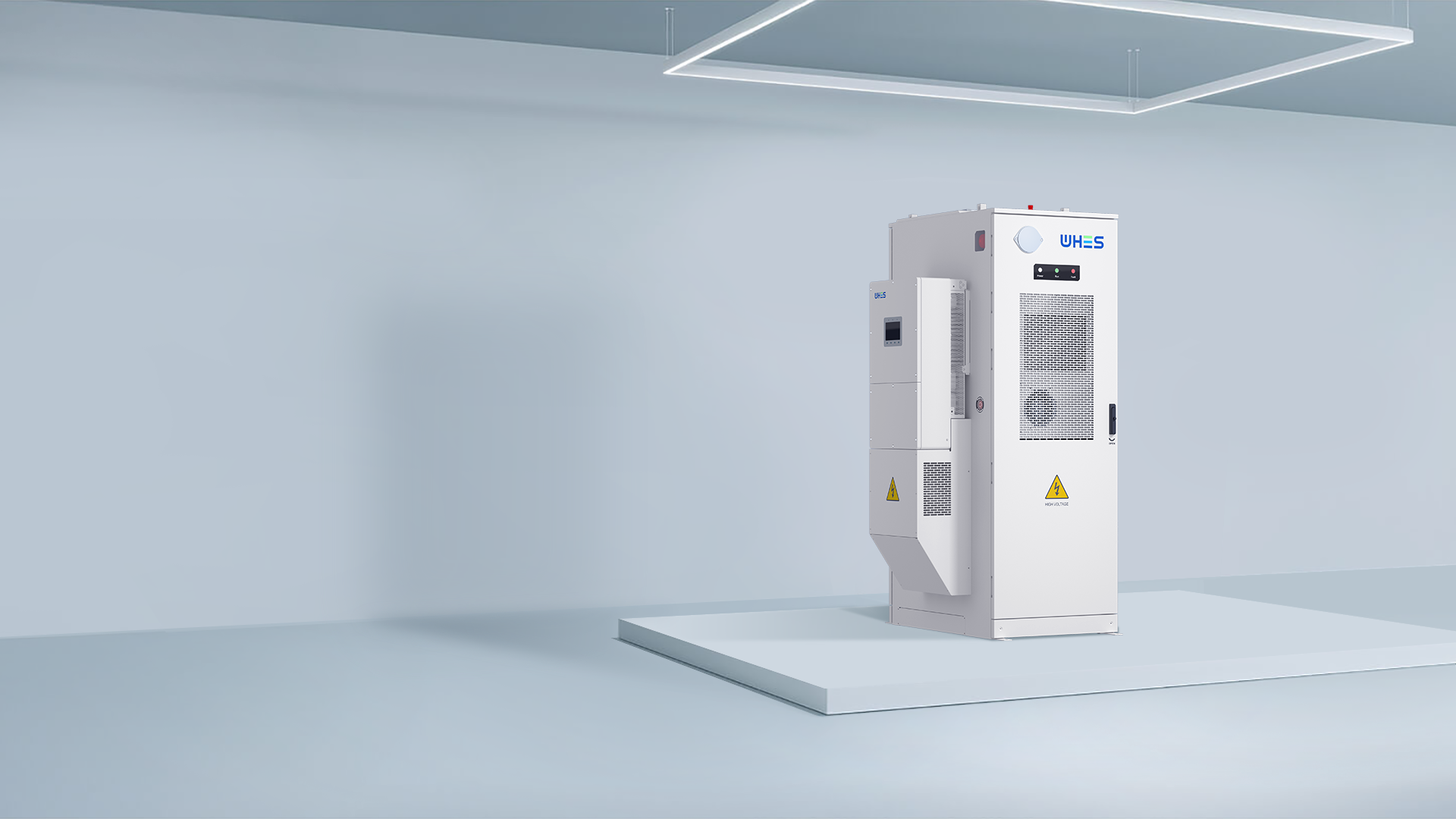
Begin by mapping the site’s point of connection, ambient conditions and load profile. Key checks include grid export limits, fault current capacity, and available space for inverters and transformer stations. Carry out thermal mapping of array locations and allow for setback distances; rooftop and ground-mount arrays behave differently under shading and temperature, which affects inverter clipping and hence usable energy. For remote projects or mini-grids, consider an off grid battery system early in concept design so the balance-of-system is sized correctly — battery chemistry and inverter topology have immediate consequences for state of charge management and battery lifetime.
Step 2 — Electrical architecture and control strategy
Decide whether a DC‑coupled or AC‑coupled topology best serves your commercial objectives. DC‑coupling tends to reduce conversion losses when charging from the PV array during daylight, whereas AC‑coupling can be more flexible for retrofits and separate dispatch control. Specify inverter power ratings, battery usable capacity, maximum charge/discharge rates and protection schemes. Ensure the control logic supports frequency response, peak-shaving and time-of-use arbitrage as required. Include industry-standard telemetry channels for SCADA integration so dispatch optimisation can be implemented without bespoke firmware work.
Step 3 — Commercial modelling and operational assumptions
Construct a financial model that reflects realistic degradation curves, round‑trip efficiency and the levelised cost of storage (LCOS). Model dispatch according to firm contractual drivers: capacity revenue, energy arbitrage and ancillary services. Use conservative assumptions for battery throughput and reserve SoC windows to avoid premature capacity loss. Real-world projects such as the Hornsdale Power Reserve in South Australia illustrate how fast-response batteries can monetise frequency services alongside energy shifting — a useful anchor when modelling ancillary revenues and grid services in your business case.
Integration checklist: technical, contractual and commissioning
Prepare a checklist that spans technical acceptance and commercial handover. Include:
- Factory acceptance tests for inverter firmware and protection settings.
- Site acceptance tests that replicate expected operational scenarios, including full-plant trips and islanding tests where applicable.
- Clear warranties on cycle life, performance retention and BMS behaviour.
- Defined acceptance criteria for state of charge (SoC) windows and minimum guaranteed usable capacity.
Insist on witnessing initial commissioning tests with the intended dispatch algorithms in place — it is the moment when contracts meet current and voltage in real life.
Common pitfalls and mitigations
Projects commonly stumble over three issues: mismatched inverter and battery ratings, underestimated thermal management needs, and unclear responsibility for software updates. Mismatches lead to constrained output during peak irradiance — and that is precisely when revenue matters. For thermal risk, over-spec the cooling in high-temperature regions rather than designing to a median condition. Finally, allocate responsibility for control software patches in the O&M contract so a firmware update does not become a contractual dispute.
Procurement and vendor selection framework
Use a staged procurement process: pre-qualification, technical clarification, sample testing and performance-based contracting. Evaluate vendors on demonstrated cycle-life data, BMS interoperability and site support footprint. Include penalties and incentives linked to measured availability and response times for grid services. Compare modular turnkey systems against componentised builds: the former can accelerate commissioning but may reduce flexibility; the latter offers custom optimisation at the cost of integration overhead.
Case study anchor: lessons from large-scale deployments
Major deployments over the last decade have shown two consistent lessons. First, fast-response batteries capture ancillary revenues early in their commercial life. Second, lifecycle value depends on dispatch discipline and thermal management as much as initial cost. Hornsdale’s contribution to system stability in South Australia is frequently cited — not because it was unique in concept, but because it validated revenue stacking strategies and operational readiness at scale. Use that as a template: validate services in simulation, then in a staged live environment.
Common mistakes to avoid during commissioning
Do not accept “good enough” telemetry; define KPIs up front. Avoid one-off acceptance tests that do not mirror sustained operational loads — if you only test for short bursts you miss thermal creep and degradation dynamics. Finally, ensure spare parts and consumables are contracted for the first five years; lead times for power electronics can be long and the cost of downtime is material.
Advisory finale — three golden rules for selection and integration
1) Prioritise interoperability: demand open telemetry and standardised SCADA interfaces so future upgrades are not vendor-locked. 2) Design for long-term availability: specify warranty terms tied to guaranteed usable capacity and include performance-based payments. 3) Model conservatively and validate in stages: assume modest arbitrage margins, verify ancillary revenue potential in pilot operation, and scale once dispatch performance is proven.
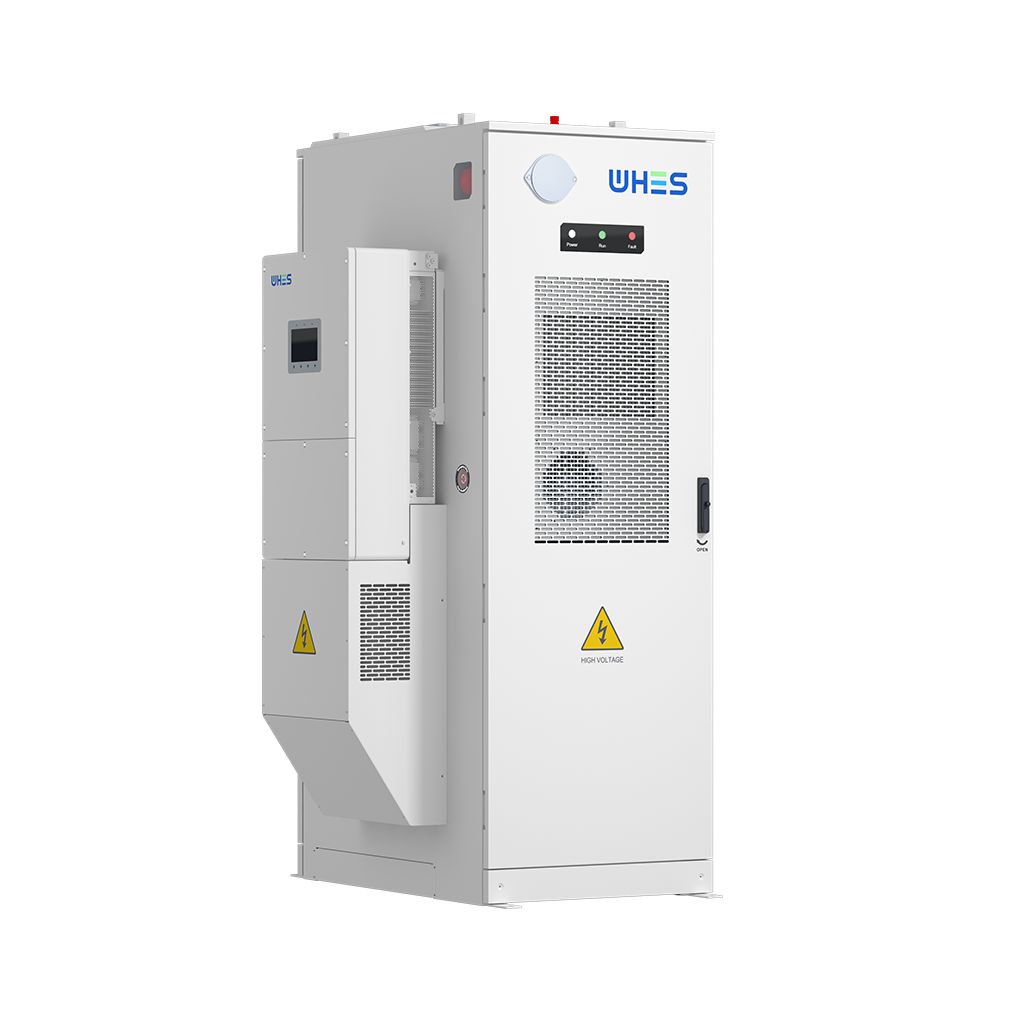
For reliable, scalable co-located solar-plus-storage integration, turn to WHES.
Worth doing properly.