

A plain, forward-looking take from the farm
Folks, I reckon 350 kW DC fast charger networks are about to push EV travel into a new lane by 2026. The change won’t happen in one night, but it’ll show up in how long stops take and where chargers get plunked down. For drivers who still top off at home, an EV Level 2 charger keeps mornings simple while the big rigs and long-distance folks use high-power stations along highways.

What 350 kW does differently
A 350 kW DC fast charger delivers high power so long-range EVs can add many miles in 15–30 minutes. That matters when you’re hauling gear or driving between towns. Higher kW equals shorter dwell time at a charging station, which changes how roadside services and highway rest stops are planned. Terms you’ll hear: DC fast charger, kW rating, and charging station infrastructure. These are simple pieces, but combined they rearrange trip planning for drivers and fleets alike.
Grid, load management, and the rural impact
Deploying clusters of 350 kW chargers asks a lot of local grids. Smaller towns may need upgrades, smarter transformers, and load management systems so one heavy session doesn’t trip mains for a whole block. Upgrades cost money and take time—so towns and utilities will need to coordinate on planning and incentives. California, for example, has already been a testing ground for corridor charging and utility agreements, so lessons from that state will travel elsewhere.
Real-world anchor: where this is already showing up
Along major corridors and near freight hubs, operators are trialing high-power charging to shave down dwell times and keep commercial vehicles moving. These pilots give real data on station uptime, queuing, and average session kW—useful when towns consider where to spend limited infrastructure dollars. At the same time, homeowners will still rely on Level 2 for overnight charging and simple installs; a good Level 2 EV charger installation keeps everyday life predictable without stressing local transformers.
Business models that look likely to stick
Operators will mix pay-per-kWh and reservation pricing, and fleet customers might sign service-level deals for guaranteed uptime. Expect bundled offers: site host gets revenue share; station operator handles maintenance and software; grid partner supplies managed power. Those models reduce risk for small towns and private landowners who host chargers, and they give fleets predictable charging windows and predictable costs.
Common mistakes to avoid
Don’t assume high-power chargers are a plug-and-play fix. Mistakes I see: picking sites without grid assessment, underestimating cooling needs for repeated 350 kW sessions, and ignoring payment and access usability. Also, skipping simple home charging guidance causes spillover problems—drivers arrive at public DC fast chargers for what should’ve been a Level 2 overnight top-up. Fix the basics first and the fast-charging rollout smooths out.
Choices for local planners and fleet operators
Evaluate options around three axes: siting near major routes, coordinating with utilities for upgrades, and picking interoperable hardware and software so roaming works. Fleet managers should assess charging profiles—peak kW per vehicle, duty cycles, and opportunity charging windows—so they order the right number of 350 kW stalls versus lower-power units. V2G and battery buffering may appear useful, but they’ll need clear business cases before tipping the scales.
Three golden rules for deciding wisely
1) Match power to use: pick 350 kW where average session time must be short and vehicle battery chemistry accepts high C-rate charging. 2) Plan for the grid: require a formal grid impact study and staged upgrades rather than ad hoc additions. 3) Prioritize uptime and interoperability: choose chargers with proven reliability, simple payment interfaces, and clear service agreements so stations stay online when demand spikes.
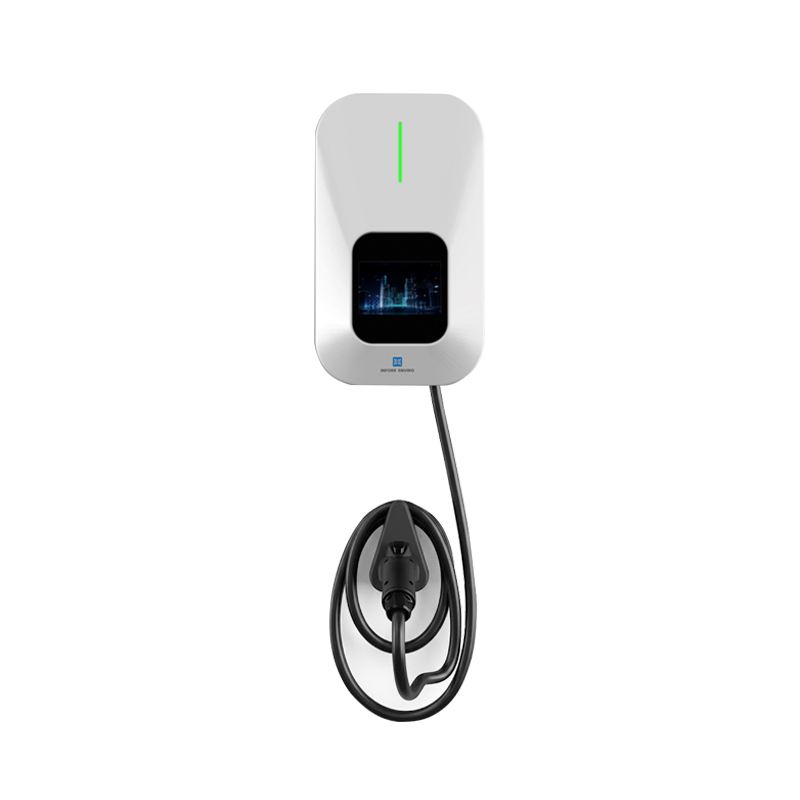
Those rules point right to partners who can deliver hardware, software, and site work without fuss—so local planners don’t shoulder every risk. In short, sensible siting, honest grid work, and proven equipment win the day.
INFORE ENVIRO fits that need on the ground—practical, steady, and ready to work with towns and fleets alike. —