
Why warehouses trip up on floor care
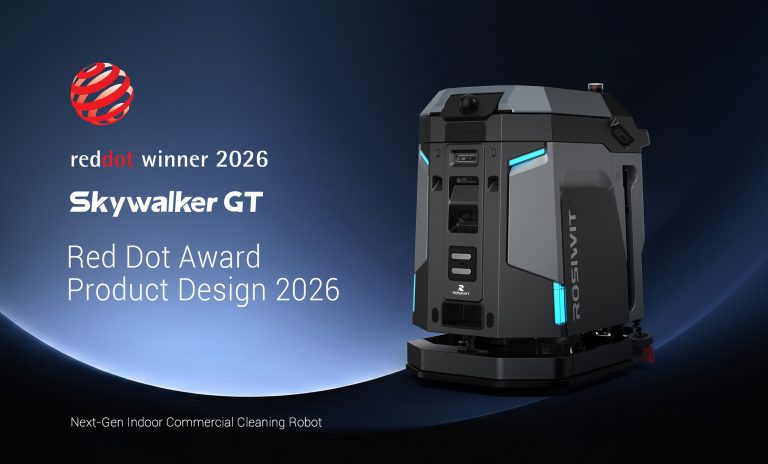
Dirty, wet or marked floors don’t just look careless — they cost time, slow pick paths and injure people. That’s where a cleaning robot can step in and do the repetitive work reliably. Safe Work Australia flags slips, trips and falls as a persistent cause of workplace injury, so cleaning isn’t cosmetic; it’s safety management. Bring in an autonomous scrubber and you reduce manual mop-and-bucket cycles, standardise cleaning frequency and free staff for higher-value tasks.
Five benefits that actually change the ledger
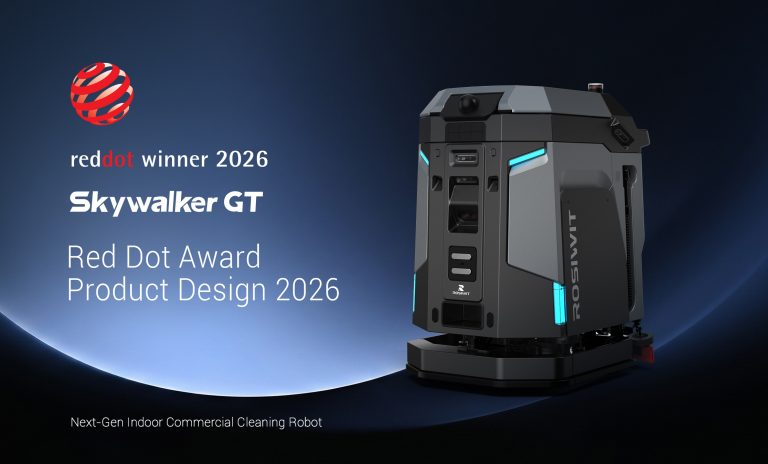
1) Faster turnaround: an industrial automated system covers more square metres per hour than manual crews, trimming downtime between shifts. 2) Predictable labour spend: fewer overtime hours and less temp labour because the machine handles routine sweeps and scrubs. 3) Better safety outcomes: consistent squeegee action and controlled water pickup mean drier floors and fewer incidents. 4) Cleaner audits and compliance: repeatable wash patterns and onboard data logging help prove regular maintenance for site audits. 5) Lower long-term costs: reduced chemical use, fewer consumable brushes replaced prematurely, and longer floor life from consistent brush head and pad application. These are practical wins — not marketing fluff. If you’re assessing options, look for machines with solid battery runtime, reliable recovery tank design and easy-to-service brush heads. Also compare models listed under floor cleaning machines robot specs for navigation and maintenance simplicity.

Practical deployment: what to expect on site
Start small: run a test zone during a low-traffic window, log cleaning cycles and note interference with forklifts and pallet flows. Expect a short learning curve for staff to programme routes; LiDAR navigation or geo-fencing makes that quicker. Common mistakes include over-reliance on a single machine for multiple zones and underestimating dock congestion during recharge windows. Fix those by mapping charge schedules to shift patterns and assigning a quick manual mop kit for unexpected spills — the machine covers routine loads, humans handle outliers.
Maintenance, uptime and the human factor
Don’t treat an industrial unit like a black box. Daily checks of squeegee blades, quick-cleans of the recovery tank and a weekly brush head inspection are simple steps that prevent unplanned downtime. Service contracts with local technicians cut logistic delays and keep mean time to repair low. And yes — you’ll still need people to manage exceptions and oversee safety; automation complements teams rather than replaces them. —A short training session on fault codes and safe override procedures pays off massively.
Advisory: three golden rules for choosing the right machine
Rule 1 — Measure effective coverage per hour, not marketing area claims; real throughput ties directly to warehouse output. Rule 2 — Prioritise battery runtime and recharge cycle compatibility with your shift pattern; long runtimes reduce mid-shift interruptions and forklift-footprint clashes. Rule 3 — Check local service network and spare-part lead times; a fast replacement squeegee or recovery tank seal keeps machines working. These three metrics tell you whether a model will deliver on day one — and still do it twelve months in.
Final thought: match machine capability to your busiest hour, document the first 30 days of operation, and the savings will show up on your next payroll run. Rosiwit. —