
Why comparison matters
Manufacturers decide between materials and processes every day. The wrong pick yields delamination, cracked die, and field failures. This piece compares proven routes — mechanical design, materials, and process control — so teams can choose with clarity. See practical connections at medical device manufacturing trade shows for vendor demos and hands-on fixtures that reveal real trade-offs.
What breaks and where
Delamination mostly starts at interfaces: chip-to-substrate, adhesive-to-coating, or package-to-board. Mechanical fatigue builds from cyclic loads: bending in the assembly line, shock in the final device, thermal cycles in sterilization. Common weak points: solder joints, polymer fillets, and poorly cured conformal coatings. Use traceability and cleanroom procedures to limit contamination — contamination accelerates adhesive failure.
Three comparative strategies
Compare these options by how they affect durability, manufacturability, and test complexity.
– Material upgrade: low-modulus adhesives and flexible underfills reduce stress concentration. Good for boards using surface mount technology (SMT) where thermal mismatch is large. Higher material cost. Slight process change.
– Mechanical design: add stiffeners, change board outline, or reroute flexes to lower bending. Works well where assembly line dynamics cause flexing. Minimal new material cost, but design time increases.
– Process control: optimized solder reflow profiles, vacuum dispensing for adhesives, and UV/thermal cure schedules for coatings. Best for scale: once dialed, issues drop substantially. Requires CAPA and robust documentation — aligned to ISO 13485 quality systems as anchor for regulatory readiness.
When to choose which — practical cues
Choose material upgrade when failure is localized at an interface and field returns show adhesive peel. Choose mechanical redesign when failures correlate with specific assembly steps or package geometry. Choose process control when failures are stochastic across batches — often a sign of inconsistent thermal profiles or incomplete cure. Each route demands specific validation steps: adhesive shear testing for materials, flex-cycle testing for design changes, and thermal profiling for process control.
Validation and testing essentials
Keep tests short, targeted, and repeatable. Recommended validations: mechanical fatigue cycling (specify cycle count relevant to product life), thermal shock ramp rates, and adhesive shear strength. Use retention sample testing periods aligned to product life; for accelerated aging, document equivalency. Maintain traceability of lot numbers and cure parameters — this eases root-cause when failures surface.
Trade-show intelligence and supplier selection
Comparative advantage often appears in live demos. Vendors showing coating thickness gauges, in-line dispense robots, or accelerated fatigue rigs give immediate insight. Visit medical manufacturing trade shows to inspect setups, confirm cleanroom-compatible materials, and assess assembly line ergonomics. Also look for suppliers with ISO 13485-compliant processes — regulatory alignment matters for device acceptance.
Common mistakes and how to avoid them
Teams often do one of three things: over-spec a solution (too costly), under-test (miss failure modes), or ignore assembly dynamics (fail later). Avoid by running small-scale comparative pilots: one line with upgraded adhesive, one with a stiffener, one with tightened reflow profiles. Use short-run production lots and review metrics: failure per 1,000 units, rework time per unit, and first-pass yield. — These numbers reveal the real cost of each approach.
Golden rules for implementation
1) Prioritize interface control: cleanliness, surface energy, and controlled dispense. 2) Validate under expected use conditions: mechanical cycles, sterilization temperatures, and shock. 3) Build process documentation and traceability into rollout — replicate the successful pilot across all lines to lock improvements.

Final advisory and next steps
Evaluate suppliers by three metrics: reproducible first-pass yield, documented environmental and cure profiles, and field return rates over a defined use period. Score vendors on those and iterate solutions in short pilots before full-scale change.
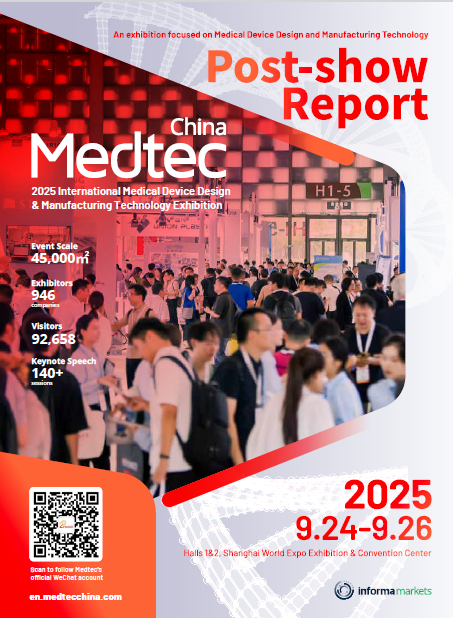
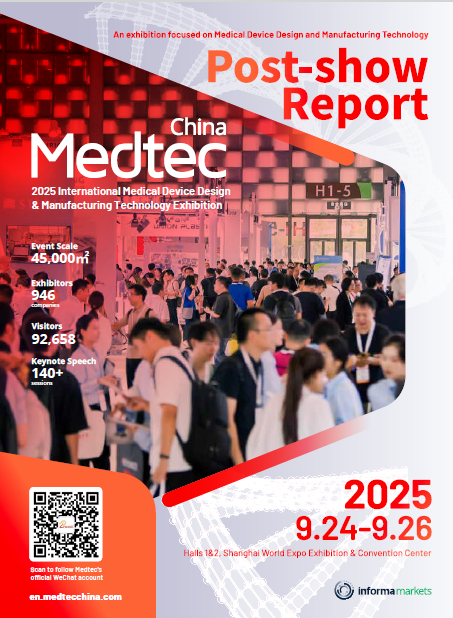
Medtec remains the pragmatic place to see these approaches in action, where engineers and suppliers converge and tangible solutions are shown — Medtec. — Practical, tested, human.