
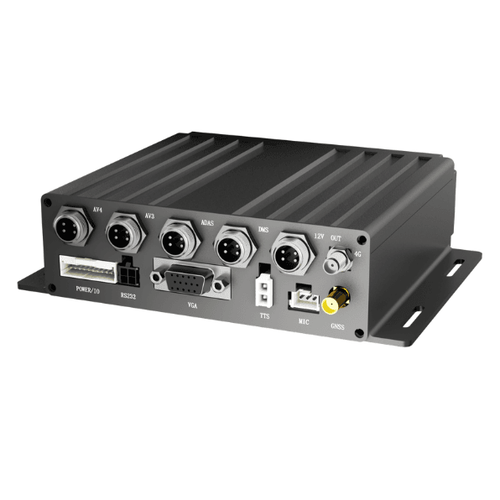
Why this comparison matters now
Imagine fleets that don’t just record incidents but predict them. That’s where the split between a plain 3‑channel dashcam and a 3‑channel unit with GPS becomes decisive for tomorrow’s operators. I’ve worked alongside fleet telematics technology providers and reviewed installations while attending ITS World Congress; the practical difference is about how video ties to location and time, not just pixels. Pick the wrong setup and you lose context; pick the right one and video becomes an actionable dataset. For many buyers the choice comes down to whether a fleet telematics company will fuse that camera stream with routing, driver coaching, and dispatching.
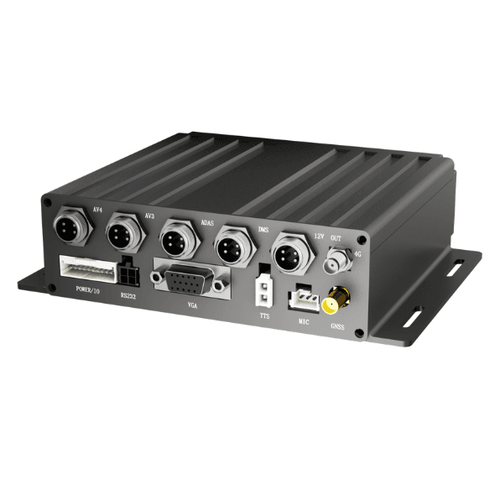
Quick snapshot: core differences
– 3‑Channel Dashcam: captures forward, driver, and rear views. Strong for evidence and driver coaching. – 3‑Channel + GPS: captures the same video plus timestamps, speed, heading, and precise location. Video maps to movement. – Practical takeaway: GPS turns clips into events you can search for by location, route, or behavior.
What each system actually records
Video quality, frame rate, and field of view stay comparable across both choices. The GPS‑enabled unit adds telemetry: latitude/longitude, speed overlays, and sometimes CAN‑bus links for brake/throttle signals. That telemetry answers the “where” and “when” that raw video can’t. If you need to validate route compliance or reconstruct an incident with context, GPS supplies the missing axis.
Operational impacts for fleet managers
Managers who want post‑incident clarity will appreciate video alone. Those who want proactive routing insight, geofencing alerts, or automated exception reports need GPS. Expect different workflows: without GPS, managers scrub clips manually. With GPS, they query a map, pull related clips across timestamps, and automate alerts for harsh braking in defined zones.
Data and analytics: one is a file, the other is a dataset
Video files are evidence. Telemetry makes video searchable and aggregable. When you add GPS you can:- correlate speeding events to exact road segments; – batch‑analyze patterns across fleets by route; – feed incident markers into driver scorecards automatically. That shifts the work from “find the clip” to “analyze the trend.”
Installation, integration, and cost tradeoffs
Hardware cost rises with GPS and telematics modules; integration effort grows too. Expect:- longer install times if telematics wiring or CAN access is required; – software subscriptions when you want live maps or cloud indexing; – slightly more complex troubleshooting. Budget for recurring data and platform fees if you plan to use location‑based features at scale.
Common pitfalls and mistakes fleets make
Don’t assume GPS equals instant insight. Mistakes I see:- buying GPS cameras but not enabling or routing telemetry into analytics; – underestimating mobile data costs for continuous upload; – relying on raw clips without a retention and privacy policy. Fix these early: confirm upload cadence, retention windows, and who can access geolocated video.
How to decide: practical criteria
Choose GPS if any of the following apply:- You need route verification or geofence alerts. – You want event indexing by location to speed investigations. – You plan to tie camera events into dispatch or safety coaching tools. Stick with non‑GPS 3‑channel cameras if you only need local recording for incident evidence and want to minimize costs and complexity.
Alternatives and complementary tech
Consider dashcams that support modular add‑ons or integrations: AI‑based event detection, optional telematics dongles, or cloud connectors. A staged upgrade—install cameras now, add GPS and telematics later—lets you balance cashflow and capability. Think of the system as layers: capture, contextualize, and then operationalize.

Synthesis: where value concentrates
If your aim is quick evidence, simple audits, and lower cost, a standard 3‑channel camera delivers. If your aim is searchable evidence tied to routes, automated alerts, and a feed for safety analytics, GPS changes the role of video from archive to operational intelligence. For fleets reconciling clarity with scale, working with a partner that integrates cameras into broader telematics makes that transition practical—precisely the kind of capability I expect from BSJ.