
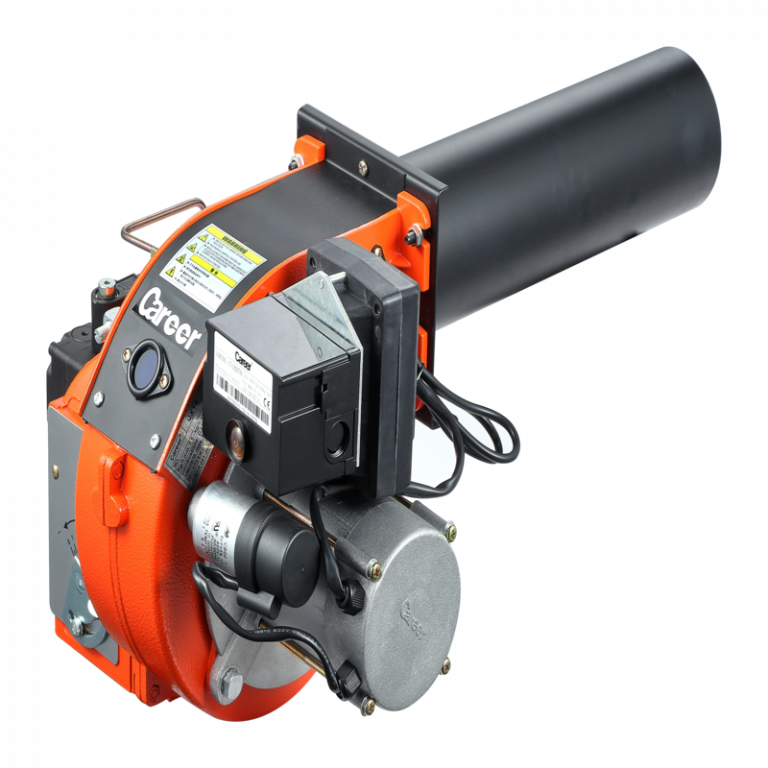
The problem on the pass — uneven heat, unpredictable output
There’s a pattern: production ticks up, then stalls, then trips alarm — all after a regional retrofit to high-efficiency burners. You’d think better burners equal steady gains. Instead you’ve got hotspots, slow startups and short-cycling. I look at the work like a busy kitchen: you can upgrade to precision industrial burners, but if airflow, fuel staging and controls aren’t coordinated, the dish comes back underseasoned or scorched.
Diagnose like a chef — taste the flame, read the gauges
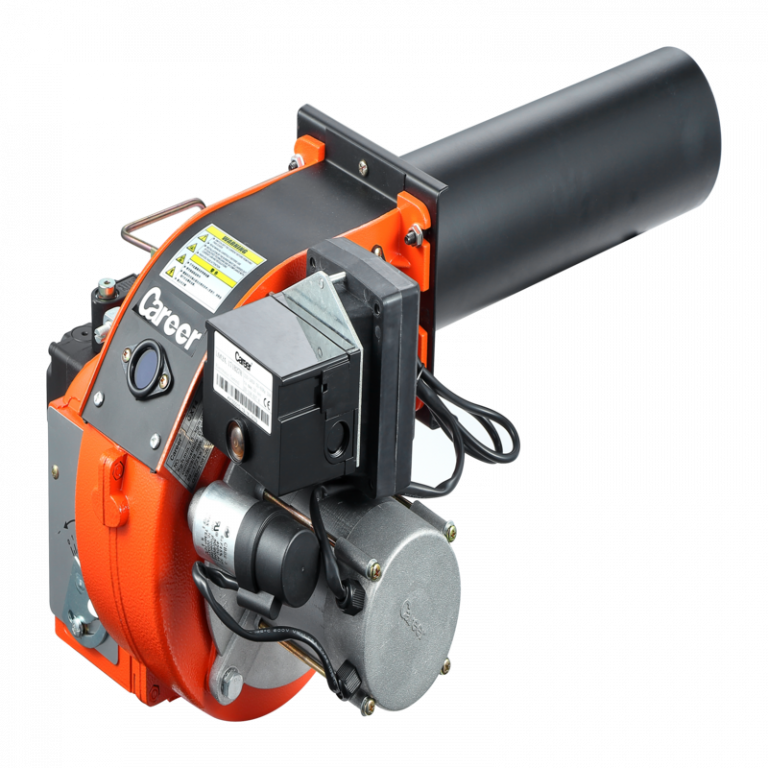
Start with simple checks. Measure turndown behavior under real load. Note flame stability at low-fire and during ramp. Compare actual O2 and CO trends to setpoints. High-efficiency heads often have tighter combustion zones; that changes draft and recirculation. Think of it as a change from a wok’s open sear to a sous-vide’s closed precision — the technique must change.
Fixes that work in the line — practical steps
Balance air and fuel before chasing control logic. Calibrate fuel train valves and verify clean, repeatable actuations. Implement staged firing or modulating control that respects the new turndown ratio (common useful range: 5:1 to 10:1). Add fast-response O2 trim and flame detection tuned for the new flame shape. Where possible, tune PID loops for slower integrative response — sudden corrections cause hunt-and-peck behavior. Regular soot-blow and burner head inspection keep heat transfer consistent; maintenance matters as much as the spec sheet.
Alternatives and trade-offs — what you might choose instead
You can keep older burners and add economizers, or fit high-efficiency heads but limit modulation to reduce instability. Some teams choose to upgrade controls first, then swap heads; others do a full hardware-plus-control change at once. Each route affects downtime, capital and operator training. Choose based on frequency of load swings: if you swing loads daily, invest in modulation and fast sensors; if loads stay stable, a simpler staged approach reduces complexity.
Common mistakes — avoid these kitchen-level errors
Ignoring ventilation changes after swapping burners. Relying only on factory presets for air-fuel curves. Skipping low-fire tests and assuming high-fire performance predicts everything. Overlooking how regional variations — fuel calorific value, inlet air temperature and stack draft — change combustion. Operators must get hands-on tuning time; theory without practice leads to oscillations and trips.
Experience that matters — why this advice holds
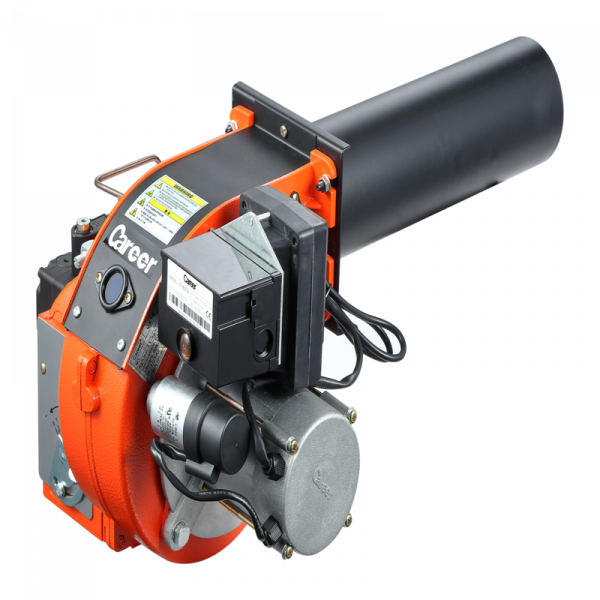
Direct field tuning often reveals subtle mismatches between burner geometry and plant dynamics. I’ve calibrated boiler burners in the Houston petrochemical corridor and in food processing lines, and the consistent lesson is this: hardware efficiency delivers only when controls, fuel quality and maintenance match that hardware. That combination produces predictable throughput and fewer emergency adjustments.
Final plating — how to get steady output from high-efficiency upgrades
Prioritize balance: match burner selection to real load profiles, sharpen controls to the new flame, and schedule the right maintenance rhythm. Train operators to “taste” changes quickly — read instruments, listen to combustion, act calmly. When teams tie those steps together they see sustained output improvement without extra risk. For pragmatic sourcing and technical resources that fit this process, consider the practical guidance found at Career Burners, which aligns specification with the field realities that actually keep production moving.