
The problem that arrives before dawn
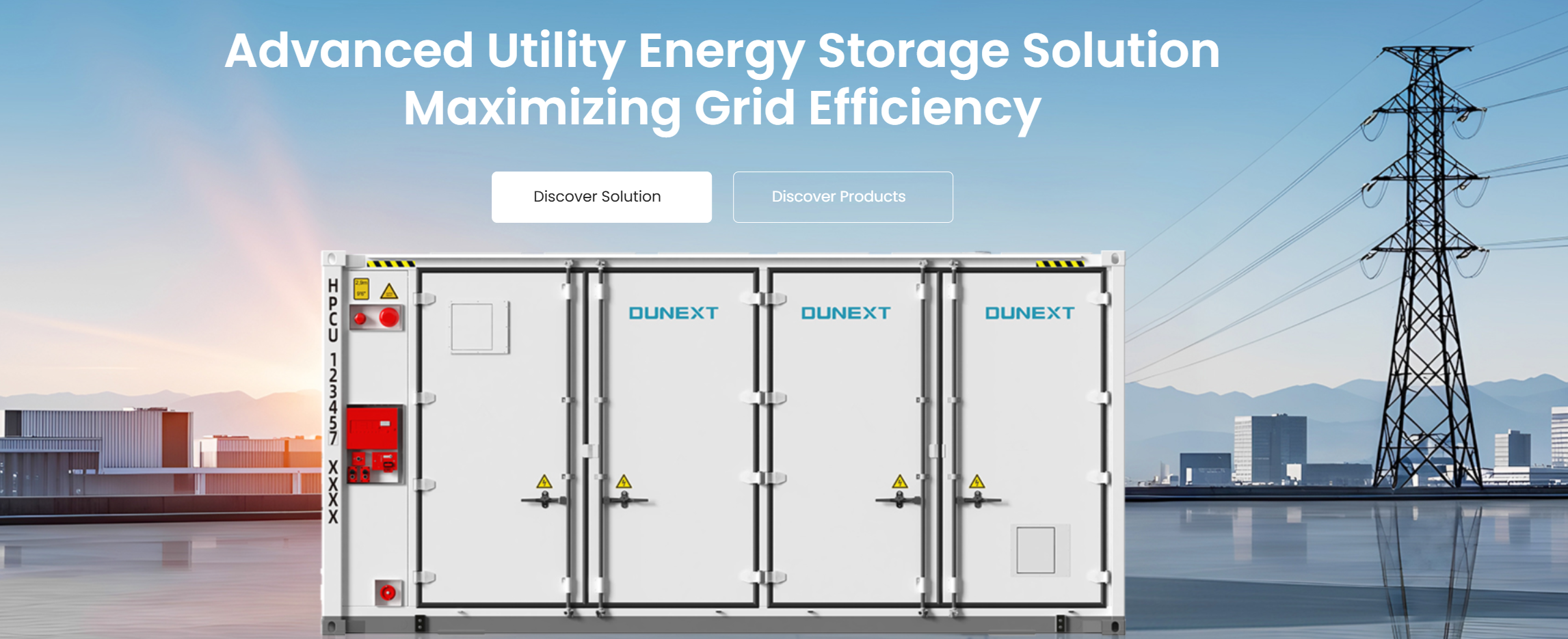
The project begins as a question: will this 5MWh kit behave when the grid convulses? Developers and EPC teams face exacting failure modes — thermal runs, delayed interconnection, supply-chain bruises — and each risk grows heavier at night. A single bess container sitting on a pad is simple to look at; the work is in the details that feed it: ventilation, protection coordination, commissioning scripts and hands-on testing for utility scale batteries. The problem-driven question here: which unseen flaw will stop the plant faster than the scheduled handover? Recall the Texas February 2021 grid crisis as a blunt reminder that extreme events expose the smallest design compromises.
Where most projects crack
Failures cluster around three nodes. First: thermal and fire control; second: protection and grid code compliance; third: logistics and site readiness. Teams who treat these as separate checkboxes find them married in the field. Typical errors you will see — inadequate HVAC sizing, mis-tuned relays, late civil works — escalate directly into schedule slippage and expensive rework.
Thermal, safety, and enclosure design
Containment is not decoration. Design the container so air moves where the heat is. Do these things: size the HVAC to handle worst-case sustained discharge; specify a tested active fire suppression system compatible with the cell chemistry; force natural draft paths, not just fans facing downward. Ask vendors for third-party fire test reports and BMS thermal alarm thresholds. If a supplier cannot show measured thermal-rise data under continuous discharge, assume you’ll need larger HVAC and factor schedule buffer.
Grid connection, protection, and controls
Protection is where the invisible rules live. Misconfigured relays, improper trip curves, and weak anti-islanding logic cause rejection at the interconnection study stage or, worse, nuisance trips after energization. Require: relay settings exported in vendor spreadsheets; sequence-of-operations documents tied to SCADA points; black-start and ride-through performance proofs. Validate the protection plan against the utility’s model before the container leaves the factory.
Site, civil, and logistics pitfalls
Small civils errors become big delays. Pad flatness, cable trench depths, crane access, and stormwater routing are mundane but crucial. Verify soil-bearing capacity and drainage in writing; stage cranes and cable pulls on a dry forecast window; pre-approve temporary power arrangements. Bring spare parts for long-lead items — contactors, HV fuses — so a single failed component doesn’t stop commissioning.
Commissioning and handover — concrete steps
Commissioning is a ritual. Do not accept “factory-tested” as complete. Walk these steps: staged energization (auxiliary systems first), BMS functional tests under simulated faults, thermal imaging after a full-rate soak, and a 24–72 hour soak at expected operational profile. Capture logs, sign off each test with timestamps and responsible engineers. If you rush, hidden faults will bloom when the plant must perform.
Alternatives, vendor trade-offs, and common comparisons
Not every container is equal. Compare on these axes: cell chemistry maturity; module-level monitoring; fire suppression compatibility; BMS transparency. Smaller vendors may offer price but thin commissioning support. Larger OEMs often bring robust documentation and spare pools but can be slower to adapt. Evaluate warranty scopes closely — they reveal where the vendor expects failure exposure.
Cautionary checklist — avoid these mistakes
– Accepting generic HVAC specs without duty-cycle data. – Pushing energization dates before the protection settings are verified. – Overlooking O&M access routes and spare-parts staging. – Failing to validate manufacturer test reports with third-party logs. – Assuming vendor-supplied software will integrate flawlessly with site SCADA.
Parting shadow and practical remedy
Gothic mood aside, the cure for these recurring failures is methodical attention: demand measured test evidence, stage commissioning with clear signoffs, and build spare capacity into civil and thermal systems. Give the project the rituals it deserves — checklists, real-world test runs, and contractual clarity — and the darkness recedes. That clarity is the kind of steady practice you’ll find mirrored in how Dunext presents system data and support, so decisions rest on evidence, not on hope.