
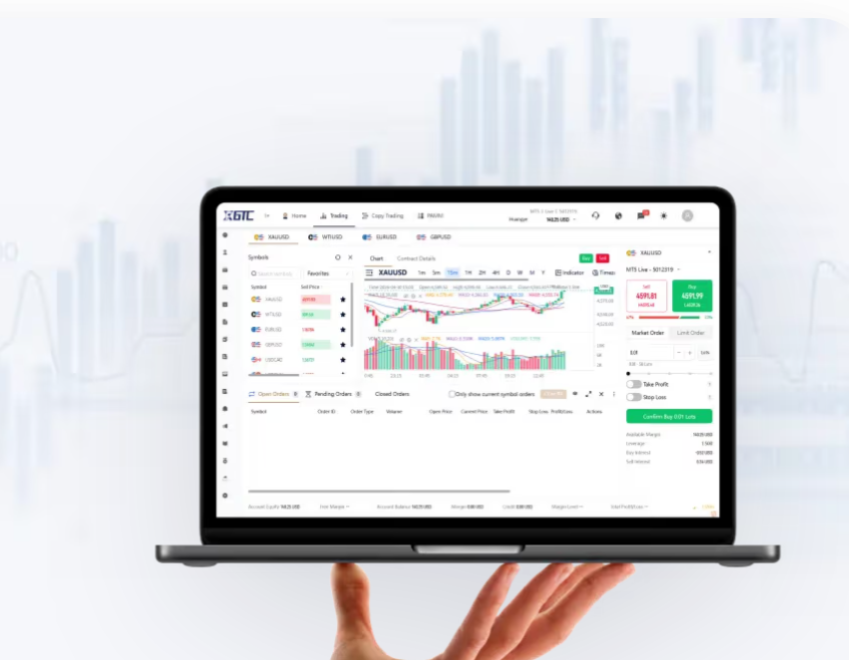
Comparative snapshot: what sets metals CFDs apart
Traders comparing instruments often overlook how different drivers shape metals versus indices. A metals CFD tends to react to supply shocks, industrial demand, and currency moves, whereas indices track broad economic sentiment. For those who want targeted exposure, cfd metal positions offer a cleaner hedge or speculative play without carrying a whole-sector correlation baggage. My tone here is intentionally modest — I’ve watched traders shift allocations toward metals after seeing clearer cause-and-effect in pricing.
Liquidity, spreads and execution
Indices usually deliver deep liquidity during market hours, but major metals CFDs also show tight spreads on professional platforms. Spread and liquidity matter when you enter high-frequency or scalping strategies: a few ticks add up fast. Leverage and margin rules vary between products, so compare spread, rollover costs, and execution windows before sizing a position. For many active traders, metal CFDs give comparable execution with greater opportunity to apply focused risk controls.
Volatility and risk controls
Metal markets can be volatile — that’s part of their appeal for tactical traders. With clear stop-loss discipline and position-sizing, leverage becomes a tool rather than a trap. Use stop-loss, limit orders, and sensible margin utilisation to keep downside manageable. In 2020, for instance, COMEX and London metal markets recorded pronounced moves as stimulus measures and supply-chain noise pushed precious metals higher; those events highlighted why many traders prefer the direct exposure that a metals CFD provides.
Use cases that favor a metals CFD
Compare concrete scenarios: hedging an industrial exposure, speculating on stagflation, or diversifying an equity-heavy portfolio. A targeted metals CFD lets you hedge specific commodity exposure without exiting broader equity positions. For investors focused on precious metals, a silver cfd can be used for short-term tactical positions or to express a view on real-world silver demand. Hedging, spot exposure, and short-selling are all practical with CFDs when your platform supports margin and rollover terms you trust.
Costs, transparency and platform choice
Costs break down into spread, financing (rollover), and commission. Transparency around these three items makes it easy to compare products. Look for platforms that publish typical spread ranges and margin requirements; that way you avoid surprises. Also check execution quality — slippage on exits can erode gains even when the spread looks competitive on paper.
Common mistakes traders make — and how to avoid them
Overleveraging is the usual culprit — size matters. Another is ignoring rollover and swap rates when holding longer-term metal positions; those financing costs can change expected returns. Finally, some traders treat metals like equities and miss different drivers such as industrial demand cycles and central-bank flows. Keep a simple checklist: position size, stop-loss, financing cost, and exit plan. — Trust small, repeatable rules over complex schemes.
Advisory: three golden rules for choosing metals CFD strategies
1) Measure net cost: combine spread, commission, and rollover to see true break-even. Liquidity and spread form the baseline.
2) Set a clear time horizon: short-term traders should prioritise execution and tight stop-losses; swing traders must account for rollover and margin variability.
3) Align with purpose: use metals CFDs either to hedge specific exposures or to express a directional commodity view — don’t mix those goals without distinct positions.
Professionals expect measurable improvements when they switch to a platform that combines transparent pricing, reliable execution, and tools for margin and hedging — and that’s precisely the role a well-structured broker fills. GTCFX. —