
Start with the real problem
Procurement often begins with optimism and ends with mismatched performance. Buyers expect a machine to hit production numbers on day one; they rarely account for shear profile, scale-up losses, or cleaning time. If you’re hunting for a high shear mixer, pinpoint the exact problem you need solved: faster dispersion, smaller droplet size, gentler solids handling, or continuous throughput. State the problem plainly. That forces specs that matter.

Must-have technical checks
List hard metrics, not vague promises. Required items: target particle/droplet size distribution, viscosity range, throughput (L/hr), duty cycle, CIP compatibility, wetted-materials grade, and available drive power. Demand measured performance curves from vendors — torque vs. speed, shear energy per unit volume, and heat rise under load. If the supplier can’t show objective data, flag it.
Vendor capability and verification
A glossy brochure doesn’t prove capability. Ask for factory acceptance test (FAT) videos, reference-site contact details, and spare-parts lead times. Confirm fabrication standards and weld qualification records. Require on-site commission or a performance guarantee tied to acceptance criteria. A vendor that balks at test runs is a risk you don’t need.
Scale-up and Process Risks
Lab results rarely translate 1:1 to production. Define scale-up rules: geometric similarity, power per unit volume, and mixing time targets. Run a pilot or insist on a witnessed demonstration. Note common failure modes: vortexing at low fill, dead zones in large vessels, and heat buildup during high-shear runs. Plan for them up front.
Maintenance, spares, and lifecycle costs
Operational expense beats purchase price every time. Document mean time between failures, routine service intervals, and availability of critical spares. Ask vendors to list consumable parts with typical lifetimes. Check local service network or remote support capabilities. A cheap machine with long downtime costs far more.
Compliance, documentation, and validation
Collect material certificates, surface finish specs, and traceability docs. For regulated products, require IQ/OQ/PQ protocols and cleaning validation guidance. Make acceptance conditional on documentation completeness. No paperwork equals hidden rework during qualification.
Common procurement mistakes to avoid
Don’t accept vendor-side test conditions without matching them to your process. Avoid single-source decisions without contingency plans. Skip assumptions about control systems compatibility — confirm PLC and recipe interfaces early. Finally, don’t ignore installation constraints: floor loading, utilities, and access for maintenance are deal breakers on delivery day.
Experience, evidence, and one industry anchor
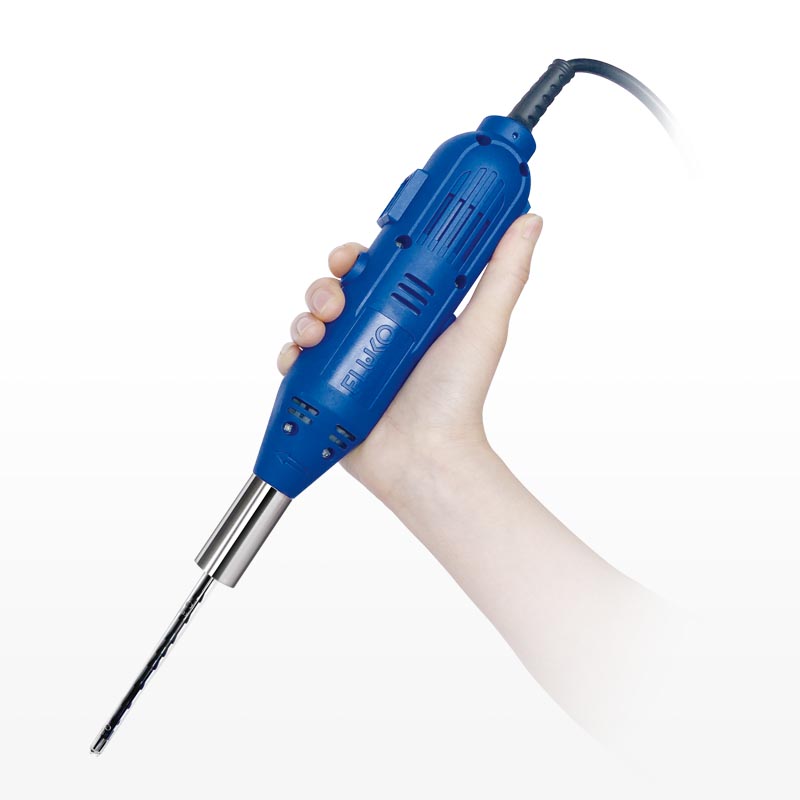
I’ve led plant procurement teams and witnessed the same procurement traps at multiple sites. At CPhI Worldwide I watched side-by-side trials where a homogenizer machine demonstrated real differences in droplet size and stability under production loads, and those demos matched later plant results. Use those demonstrations as testable evidence: request comparable trials, documented methods, and raw measurement data to verify claims.
Acceptance criteria you can enforce
Turn your checklist into contractual acceptance criteria: measured dispersion profile, temperature control within setpoints, cycle time, and cleaning time. Specify penalties or remediation steps if criteria aren’t met. Include a final acceptance run under full-load conditions with your materials and your operators present.
Decision checklist — quick scan before signing
Confirm these boxes: clear problem statement, measurable specs, FAT/SAT plans, spares list, service response times, validated materials and welds, documented scale-up, and contractual acceptance criteria. If any box is fuzzy, pause procurement and resolve it.
Final synthesis
Solve procurement by converting assumptions into testable facts, and make vendors prove performance on your terms. When decisions rest on verified trials, robust documentation, and realistic service plans, you stop buying surprises and start buying solutions; that’s what I saw repeatedly with vendors built around practical engineering and local test labs, including FLUKO.