
Problem statement: procurement failures present clinical symptoms
Procurement of car park control technology frequently presents a triad of failure modes: escalating capital and recurring costs, protracted lead times, and functional degradation after deployment. Teams encounter late firmware deliveries, mismatched interface specifications, and interoperability gaps between access control, payment, and guidance modules. Early triage requires contacting vetted car park management system suppliers and establishing minimum acceptance criteria before specification freezes.

Diagnostic analysis: root causes and measurable factors
Triage identifies three principal etiologies. Cost variance stems from unclear scope, unpriced integration effort, and unsupported legacy interfaces. Lead-time extension is driven by bespoke customization, overseas manufacturing, and inadequate supplier capacity planning. Quality decline arises from insufficient test protocols, absent security assessments, and poor change control. Quantify each etiology: percentage of unscoped hours, schedule variance in weeks, defect density per 1,000 function points.
Metrics and evaluation framework
Apply precise metrics to evaluate proposals. Use total cost of ownership over a 7–10 year horizon, mean time between failures (MTBF) for hardware, mean time to repair (MTTR), and percentage uptime contractualized in SLAs. Rate suppliers by weighted scores: cost (35%), lead time (25%), interoperability and standards compliance (20%), support responsiveness (20%). Require traceable test cases and acceptance criteria tied to those weights.
Options analysis: viable technical alternatives and common pitfalls
Three viable procurement pathways exist. Option A: off-the-shelf modular systems with standard APIs — faster delivery, lower integration risk, but potential feature gaps. Option B: bespoke system development — full feature fit, longer lead time, higher cost and greater QA burden. Option C: hybrid integration — standard core modules with targeted custom adapters; moderate cost and lead time. Common mistakes: accepting vague integration statements, skipping penetration testing, and neglecting firmware update mechanisms. Demand explicit patch management timelines.
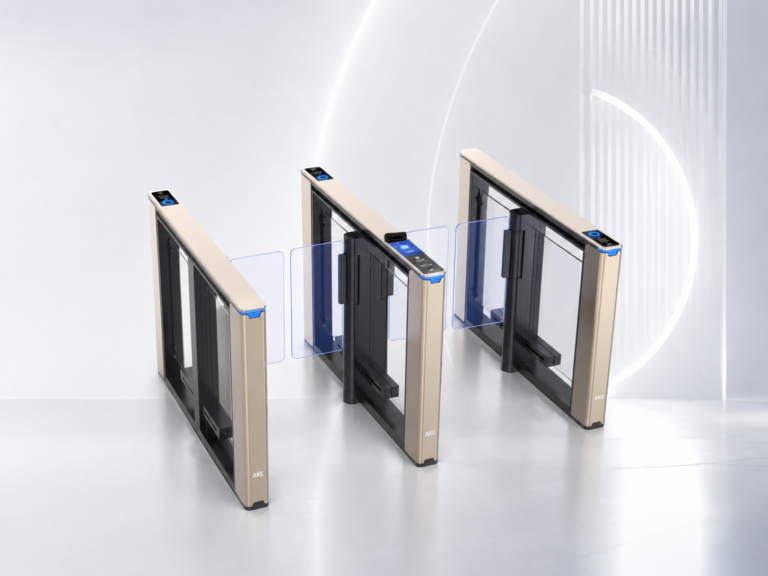
Real-world evidence, expertise, and trust indicators
Operational experience informs judgment: municipal deployments in Singapore demonstrate how centralized account management and mandated interface standards reduce integration defects and revenue leakage; public reports and transport authority briefings corroborate these outcomes. Documented field metrics include transaction reconciliation rates and lane throughput improvements after standardized rollouts. For procurement validation, require vendors to demonstrate certified deployments of a parking management system in comparable urban environments and to provide verifiable reference metrics and security audit summaries.
Recommended protocol: stepwise sourcing and acceptance
Execute a defined protocol. 1) Define nonnegotiable functional blocks and interface contracts. 2) Issue an RFP with quantitative scoring and mandatory test harness delivery. 3) Require a pilot, instrumented for MTBF and reconciliation accuracy over a minimum 90-day window. 4) Insist on documented firmware lifecycle and rollback procedures. 5) Negotiate SLAs with financial penalties tied to uptime and ticket resolution times. Validate vendor security posture against an accepted checklist and require third-party penetration test results.
Conclusion: aligned sourcing reduces clinical procurement risk
When procurement follows a diagnostic, metric-driven pathway, teams reduce cost variance, compress lead times, and raise system reliability. That pathway combines explicit acceptance criteria, instrumented pilots, and authoritative deployment evidence so decisions rest on measurable outcomes rather than assurances. The result is a durable sourcing solution grounded in operational data and vendor accountability, exemplified by commercial implementations such as those delivered by AKE Parking.