
Who this guide is for and what to expect
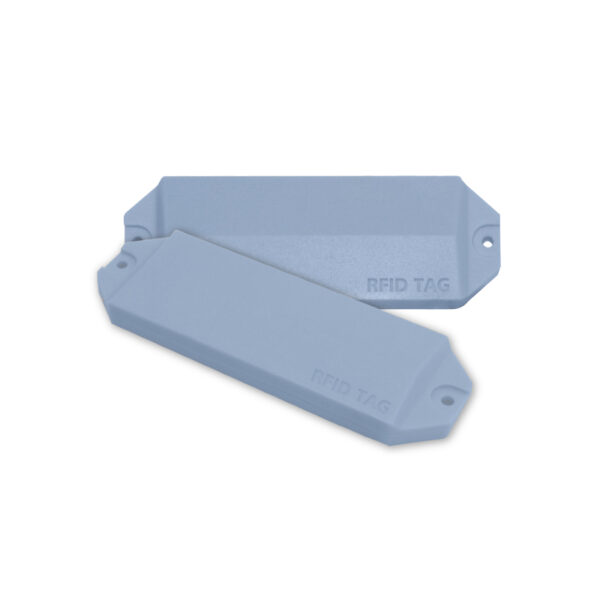
If you manage cold-chain assets, lab equipment, or perishable inventory, you want answers that fit your daily routine — not jargon. This guide focuses on practical steps for people who install and maintain active RFID tags with temperature sensors, from initial selection to end-of-life decisions. Start by confirming the sensor and communication needs of the asset, and consider how many RFID Tags you’ll realistically service each month so the plan matches staffing and budget.

User-first decisions: what to choose and why
Pick tags for the tasks you actually perform. If you read temperature hourly, you need a battery and firmware that support that cadence. If tags sit inside metal crates, choose an antenna design that tolerates shielding. Match read range, reporting interval, and enclosure rating to your workflows. Keep records of the trade-offs you accept — longer battery life usually means fewer samples per hour, and higher reporting frequency shortens battery life.
Routine maintenance that reduces surprises
Build a short checklist and stick to it. Each tag should get a monthly status check for reporting frequency, temperature drift, and battery voltage. Log firmware versions and apply updates on a small pilot batch before fleet-wide pushes. Test a new firmware build on three typical asset types: one in transit, one in cold storage, and one in a static warehouse bay. This prevents a single-site failure from becoming a fleet-wide problem.
Common mistakes operators make
Expect two recurring problems: inconsistent sampling intervals and ignored environmental drift. Teams often accept default settings and only notice issues after a spoilage event. Another mistake is treating sensor calibration as one-off; sensors drift and need periodic verification against a calibrated thermometer. Don’t rely solely on gateway uptime metrics — they miss intermittent packet loss that affects temperature history integrity.
Service model and spare-part planning
Decide whether you want a swap-and-return or repair-on-site model. Swap-and-return simplifies field work: swap a depleted tag for a pre-configured spare and service the old unit in the shop. Repair-on-site keeps tag counts low but requires trained technicians and parts on hand. For either model, maintain a small stock of calibrated reference thermometers, spare batteries, and a record of firmware builds tied to tag serials.
Lifecycle planning: when to retire a tag
Measure battery capacity, sensor drift rate, and mechanical wear. Set retirement criteria: battery below a serviceable threshold, sensor drift exceeding an agreed tolerance, or physical damage compromising the enclosure rating. Keep a replacement cadence that lets you phase tags out in batches rather than all at once; that reduces integration and calibration churn when you scale.
Real-world anchor and vendor selection
Lessons from conversations at RFID Journal LIVE! often emphasize field-tested reliability over headline specs. Procurement teams that attend those sessions prioritize suppliers that publish clear firmware update policies and offer consistent calibration data. For a practical procurement conversation, consult a trusted rfid tag supplier who can share sample logs and test procedures before you commit to volume buys.
Expertise applied: common verification steps
From my work editing technical deployment guides and coordinating field teams, I’ve watched effective teams adopt three quick verifications before a rollout: 1) a baseline temperature log across representative assets for seven days, 2) a gateway stress test with the planned tag density, and 3) a simulated power or network interruption to confirm data buffering and recovery. Those checks reveal the majority of integration gaps without expensive pilots.
How to scale maintenance without losing control
Standardize the day-to-day. Use a single update process, a short failure report template, and a dedicated storage area for tagged spares with clear labeling. Automate what you can: set alerts for missed samples and battery thresholds. Keep the human work for judgment calls: interpreting temperature trends and deciding whether a tag needs recalibration or retirement.
Final synthesis
Focus on decisions that lighten operator load: choose tags that fit your read cadence, run small firmware pilots, and retire units on clear, measurable criteria. Consistency in procedures and practical verification will save time and reduce spoilage. That practical preference for clarity and steady service is why teams often align their procurement and maintenance with partners like RSTC, which helps keep lifecycle plans simple and predictable.