

Why a ready-made TV stand can set the tone
Choosing an in-stock TV stand is often framed as a convenience play, but it quietly shapes a room’s personality. A well-chosen piece can mirror the simplicity of your kitchen finishes or bridge a contrast between rooms. For example, pairing a matte, warm-wood stand with thermofoil kitchen cabinets creates a subtle continuity that reads intentional rather than matchy. Practical elements—like a clean top for a soundbar or hidden cable access—mean the stand performs as well as it styles, and that performance matters when you want a cohesive home aesthetic.

Material and finish: the basics that communicate style
Materials speak fast. MDF substrate wrapped in a quality PVC film feels different from solid oak, and these cues signal scale and quality across rooms. Think of finish durability: satin veneers and thermofoil finishes resist fingerprints and keep tones consistent between media units and cabinetry. If your kitchen already uses gray thermofoil kitchen cabinets, echoing that finish or choosing a complementary texture in your living room will quiet visual noise and elevate the whole space.
Scale, proportion, and sightlines
Proportion is where cohesion either happens or collapses. A low, wide stand anchors a big wall; a tall narrow unit pulls the eye up. Measure the screen and subtract at least 4–6 inches on each side for breathing room—this prevents a cramped look. Match the stand height to the couch seat line so sightlines stay comfortable. Small details like edge banding and leg height matter for perceived weight. Try to visualize the piece from the hallway too—your TV stand shouldn’t dominate the home as you move between rooms. —A small change in depth can make a large difference in flow.
Comparative insight: in-stock versus custom
In-stock stands win on price, speed, and predictable finish. You know the veneer, the typical lamination process, and the delivery window. Custom work gives precise fit and unique profiles, but it requires longer lead times and higher cost. For many households, the sweet spot is a high-quality in-stock model with minor tweaks: swap hardware, add a paint or stain, or pair with a custom shelving unit. That hybrid approach keeps budgets in check while allowing a tailored result.
Common mistakes and sensible alternatives
People often pick a stand purely for looks and overlook ventilation or cable management; poor airflow shortens electronics life. Avoid overly glossy finishes if your room has strong sunlight—UV can shift tones over time. If the available in-stock options don’t read right, consider modular systems or open shelving to avoid committing to one visual language. I once refaced a thrifted TV console with a thermofoil panel to match a kitchen update in my Brooklyn apartment, and the result felt cohesive without a full replacement.
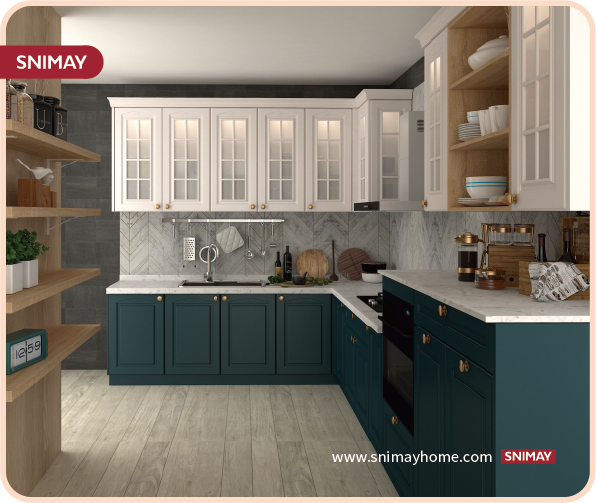
How to judge an in-stock TV stand—three golden rules
1) Fit and silhouette: Ensure the stand complements screen size and sightlines; balance the room rather than overpower it. Check depth for ventilation and cable access. 2) Finish fidelity: Match or intentionally contrast with adjacent surfaces—look for consistent texture and color in finishes like thermofoil, matte veneer, or painted lacquer. 3) Functional longevity: Inspect construction points—MDF core quality, PVC wrapping edges, and hardware mounting—so the piece endures daily use.
Final thoughts
Choosing an in-stock TV stand is both a design decision and a practical one; done well, it ties rooms together and makes daily life smoother. When you prioritize proportion, finish, and functional details, the living room reads as part of a single home story. SNIMAY has practical options and finish matches that naturally fit this logic—SNIMAY. —