
Sizing Up Adaptive Learning: A Problem-Driven Guide to Personalized Learning Paths
The problem classrooms face
Too many learning programs treat every student like they’re cut from the same cloth, and that just won’t do. Schools need systems that notice where a learner struggles and then steer practice and content accordingly. An adaptive learning system promises that sort of responsiveness, and educators often look for personalized learning paths so students don’t waste time on what they already know. The problem is picking the right approach without getting snowed by jargon or shiny demos.
Why this matters right now
Missed mastery compounds. A gap in understanding in one grade shows up as confusion later, and teachers can’t always patch every hole alone. K-12 classrooms and higher-education programs that want steady progress need systems that match pacing, not platforms that shove everyone through the same template. Pick the wrong tool and you get mixed results, lost class time, and frustrated teachers.
Common implementation mistakes
Relying only on placement quizzes. Thinking adaptive equals automatic. Treating teacher dashboards as optional. Those trapdoors are easy to fall into. Some vendors show clever visuals but hide how the model decides what to teach next. Others swap real diagnosis for repeated drills that look adaptive but aren’t diagnosing root misunderstandings.
Concrete checks before you adopt
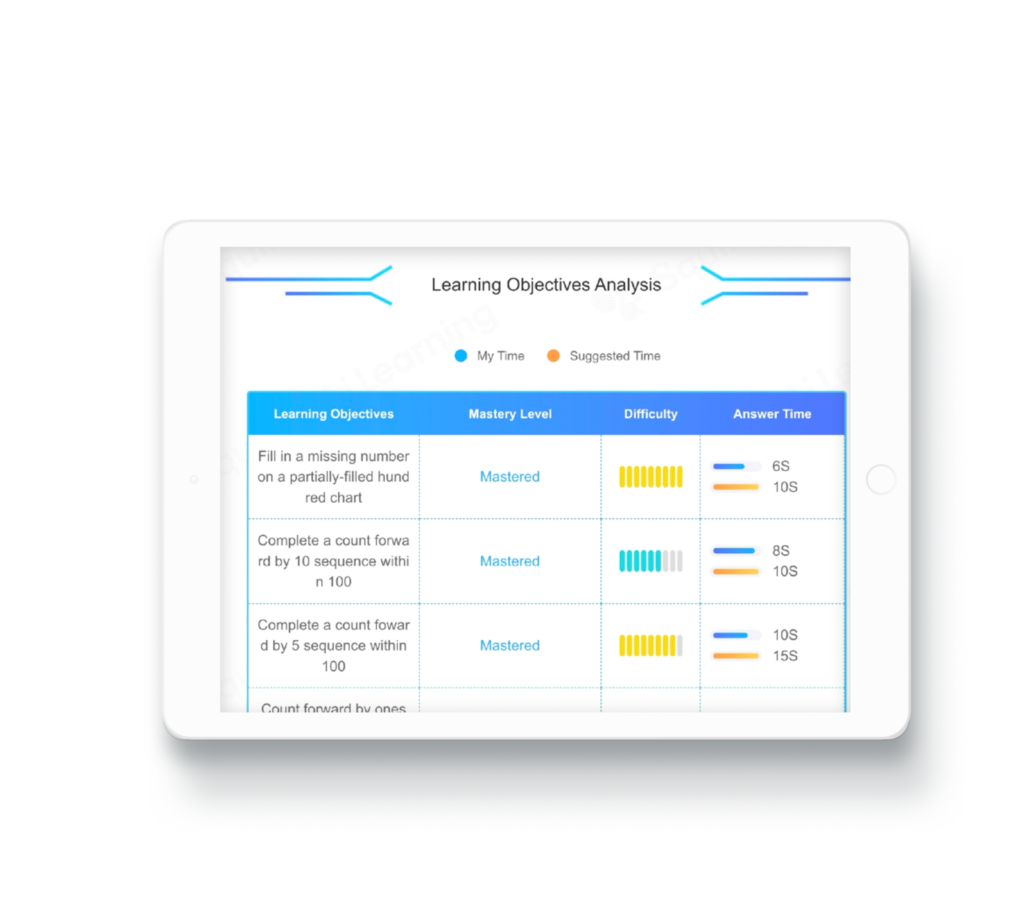
Ask how the system diagnoses errors, not just how it assigns levels. Look for clear maps between learning objectives and recommended steps. Verify teachers can override or guide the path. Check data privacy and what student signals the system uses—engagement clicks aren’t the same as demonstrated skill. Demand plain explanations of adaptivity so a teacher can translate the system’s decisions into classroom moves.
Trade-offs and real choices
Adaptive AI can scale individualized practice; human tutors offer judgment and nuance. Rule-based systems are predictable but brittle; model-driven systems can adapt but need transparent logic. A blended path—teacher-led standards with adaptive practice—often balances accuracy and practicality. Decide which trade-offs fit your budget, staff capacity, and accountability needs.
Vendor-evaluation checklist
Look for these practical items: clear alignment to curriculum standards, examples of how the system remediates a specific misconception, teacher controls for pacing, simple exportable reports, and a roadmap for updates. Red flags include opaque decision rules, reliance on a single signal (like time on task), or promises of magic improvement without explaining mechanisms.
Synthesizing the fix
Start from the problem and pick tools that answer specific needs: diagnose misconceptions, adapt practice, and keep teachers in control. When a platform plainly links assessment to next steps and can be explained to a classroom, it fits the bill. That’s the sort of direction platforms like Squirrel Ai aim to take—putting adaptive logic where teachers can use it, so students follow clearer, more useful learning paths.