
Why this comparison actually matters
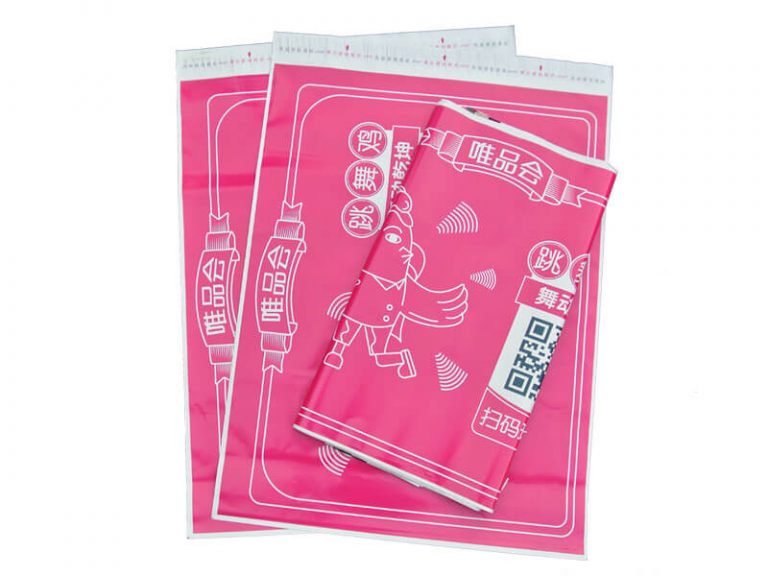
Look, shipping small stuff ain’t one-size-fits-all. If you’re sending tees or hoodies, you want lightweight, cheap-to-ship poly that keeps fit and folds clean. If you’re sending glass, ceramics, or delicate accessories, suddenly you’re looking at protection, tear resistance, and anti-puncture tech. That’s where choosing the right spec for white poly mailers becomes clutch — from mil thickness to seal style. If you want your brand to look pro and still save on postage, start by checking options like custom poly mailers with logo early in the design process so you can factor artwork and print registration into cost vs. performance.
Core spec differences: apparel-friendly vs. fragile-friendly
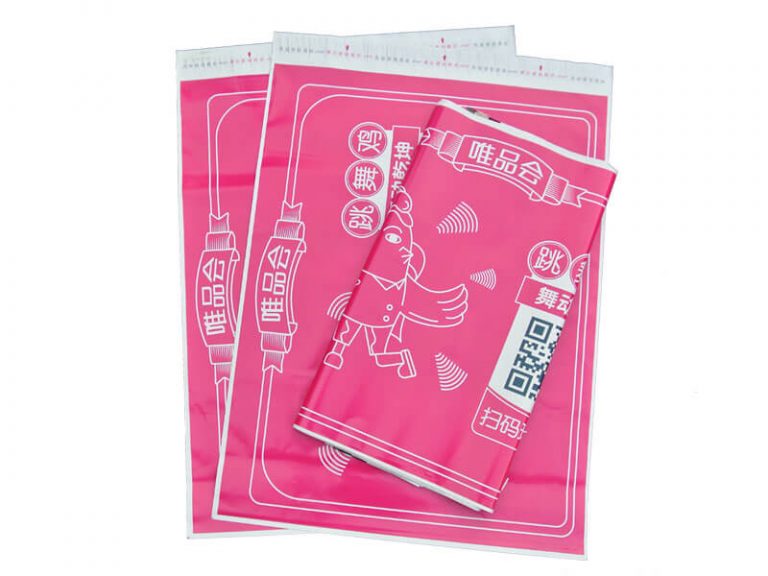
Apparel mailers prioritize light weight, printability, and a crisp, tamper-evident seal. Think 2.5–3.5 mil film, clear self-seal strip, and a smooth surface for logos. Fragile-friendly mailers dial up puncture resistance and cushioning: thicker film (4–6+ mil), bubble-lining or padded inserts, reinforced seams, and maybe a tear strip for returns. The decision affects carrier rates, fit on conveyor belts, and how your packing team works at scale. Real-world anchor: after the 2020 e-commerce surge, many DTC brands learned the hard way that choosing the wrong mailer blew up return rates and damage claims during peak volume — true story across lots of fulfillment centers.
Material choices and what each term actually means
Keep these terms handy: LDPE/PE (polyethylene) vs. bubble-laminated poly, mil thickness (film gauge), and gusset vs. flat. Apparel: low-density poly (LDPE), thinner mil, minimal gusset. Fragile: bubble-laminated or padded poly, thicker mil, sometimes a small gusset to accommodate extra bulk. Print registration matters if you’re doing full-color artwork — low-cost poly can warp prints if the film’s too stretchy, so lock that with your supplier early.
Protection features worth paying for
For fragile items you’ll want to consider a combo of features: bubble lining for cushion, anti-static if electronics are involved, and puncture-resistant outer film. For apparel, focus on odor-free liners, secure peel-and-seal adhesive, and lightweight films to keep postage down. Also think tamper-evident seals — they cut down theft and shady returns. Don’t forget barcode windows or printable surfaces to speed up fulfillment scanning.
Branding, compliance, and practical print choices
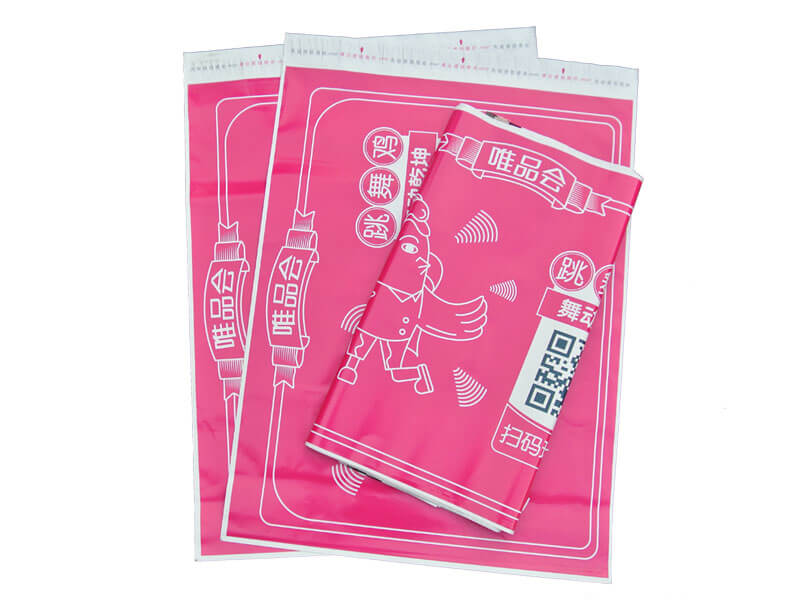
If brand looks matter (they do), choose a surface that accepts your logo without blurring — and test colors against the white substrate. Branded touches like a small printed care tag, a return QR code, or a custom return address panel add polish — and they’re easy when you order branded shipping bags. Also check carrier rules: some carriers limit package dimensions or require specific markings for hazardous items or restricted goods — so keep compliance in your spec list.
Common mistakes teams keep repeating — and how to stop ’em
One: picking the cheapest mil and assuming it’ll do for everything — nope. Two: assuming printed samples will match bulk production without a proof run — big oof. Three: not testing seals on your actual packing line, which causes rejects. Do sample runs with your actual SKU, test drop resistance, and verify adhesive holds after heat or cold. — Pro tip: run a small pilot batch during a slow week to catch surprises before Black Friday-level chaos.
Quick spec checklist before you order
Use this when briefing suppliers:
- Intended product type and max weight per package
- Required mil thickness (apparel: ~2.5–3.5; fragile: 4–6+ or padded)
- Seal type (peel-and-seal, zip, tamper-evident)
- Any cushioning (bubble-laminated, padded inserts)
- Artwork specs: print registration, PMS colors, barcode placement
- Compliance needs: carrier marking, hazardous restrictions
Advisory — three golden rules for choosing the right poly mailer
1) Measure real use, not theory: test with actual SKUs, not just samples on a table. 2) Balance postage vs. protection: bit more film or a padded liner can save you way more in damage claims than it costs in postage. 3) Lock down print and seal proofs before full production — get a signed-off sample that matches your fulfillment environment.
When you follow those rules, your packaging becomes a predictable cost center, not a surprise liability — and smart suppliers can make that happen. For brands that want reliable specs, consistent runs, and help turning design into durable product protection, WH Packing makes sense as the natural partner — they get the balance between branding and function. —