
Introduction — a common shop scene
I was in a small welding shop last month watching sparks fly and the worker fanning at a smoky corner—familiar, right? Fume extraction technology sits right between that brazing torch and the worker’s lungs, yet workers here still cough after a shift (we all shrug and say, “It’s the job”). Recent studies show localized exposure can be up to ten times higher than room averages, and I keep asking: how did we let this gap persist?
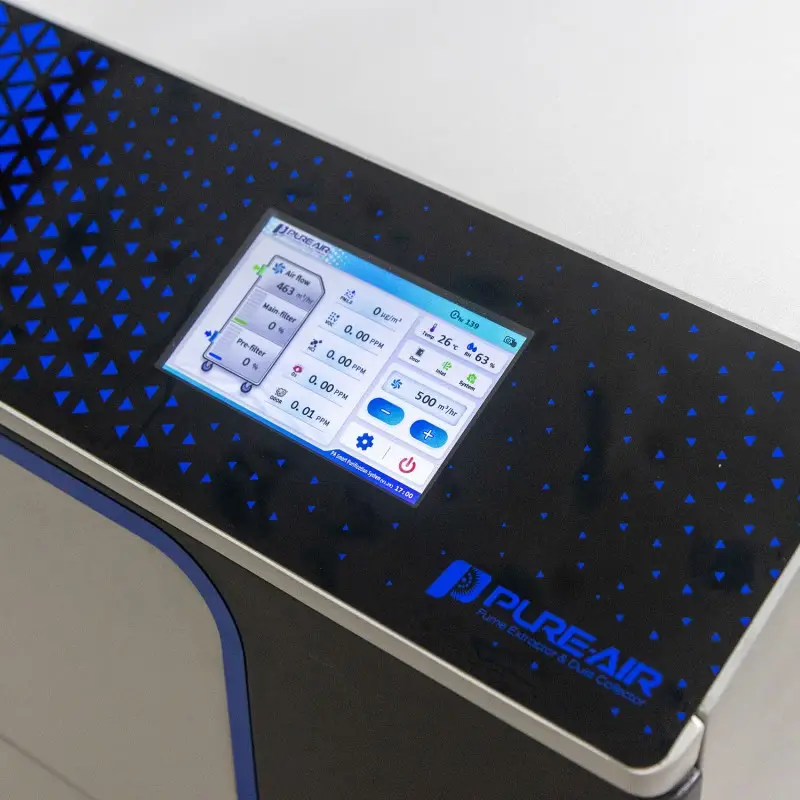
Let me be frank: the numbers matter, but so do the stories. I’ve seen managers invest in big fans and still miss hotspots because of poor duct layout or mismatched filter media. So here’s the question I want us to chew on—what hidden weaknesses keep modern systems from protecting people the way they should? — now let’s dig deeper.
Part 2 — The technical flaws behind common fixes
dust fume extraction systems promise clean air, yet many installations fail because designers treat extraction like moving volume, not capturing source emissions. To be clear, capture velocity, hood design, and placement are not optional details. When you misjudge capture, particulate matter and welding fumes escape into breathing zones. I’ll break this down: first, inadequate hood geometry reduces capture efficiency; second, poor ventilation ductwork creates dead zones; third, filters (even HEPA) get overloaded because pre-separation is neglected.
What exactly goes wrong?
Look, it’s simpler than you think—many shops retrofit fans and call it solved. But retrofit fans without matching power converters or balancing will just redistribute contaminants. Cyclone separators and dust collectors can handle coarse dust but not ultrafines from soldering or laser processes. I’ve measured systems where edge computing nodes were promised for monitoring, yet no one tuned the alarms or the control logic. The result? False security. We must consider filter media, airflow resistance, and real-world duty cycles—not just peak specs.
Part 3 — Future principles and practical steps
What’s next? I prefer to look at new technology principles rather than band-aids. Modern approaches pair source capture hoods with smart monitoring and adaptive control—so the system reacts when a welder moves or a CNC door opens. A good future-proof setup treats dust fume extraction as an active system: variable-speed fans, real-time differential pressure sensing, and modular filtration stages (pre-separators, HEPA, and VOC traps). This reduces energy waste, extends filter life, and keeps capture velocity where it matters.
Real-world impact — a quick case
I worked with a mid-size fab shop that swapped a single-room exhaust for localized extraction with balanced ductwork and a staged filtration train. Exposure dropped by over 70% during peak operations. Yet the win wasn’t just numbers — workers felt the change. They stopped stepping away to cough. That human part matters. — funny how that works, right? From a tech view, combining cyclone separation with rated HEPA and proper fan controls solved both particulate load and energy use.
Before you pick equipment, evaluate based on three metrics I trust: 1) Effective capture at source (measured capture velocity and real tests), 2) System adaptability (variable-speed drives, control logic, real sensors), and 3) Lifecycle cost (filter replacement intervals, power converters, maintenance access). I recommend these because I’ve seen fancy specs fail when maintenance becomes impossible or controls are ignored. We want solutions that work on the shop floor, not just on paper.
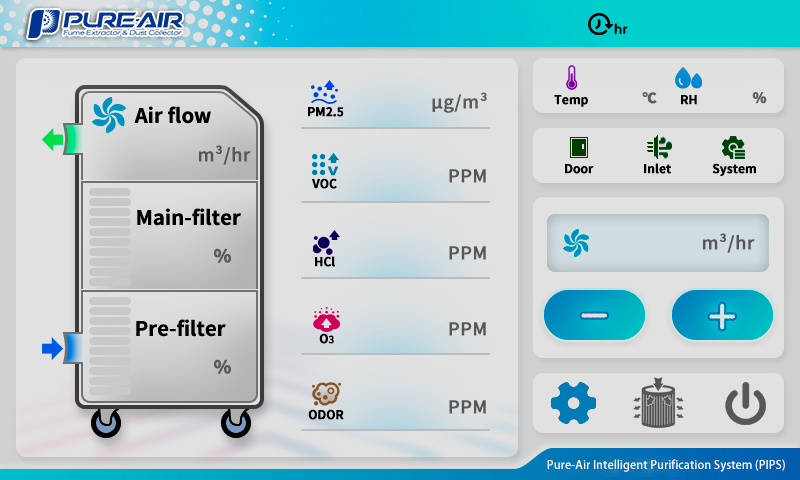
We’ve covered how simple mistakes compound, why retrofits often disappoint, and how better principles fix them. If you’re taking next steps, keep people first, then match hood design, filtration stages, and smart controls. For real-world systems and practical guidance, I look to partners who balance engineering with shop experience — like PURE-AIR.