
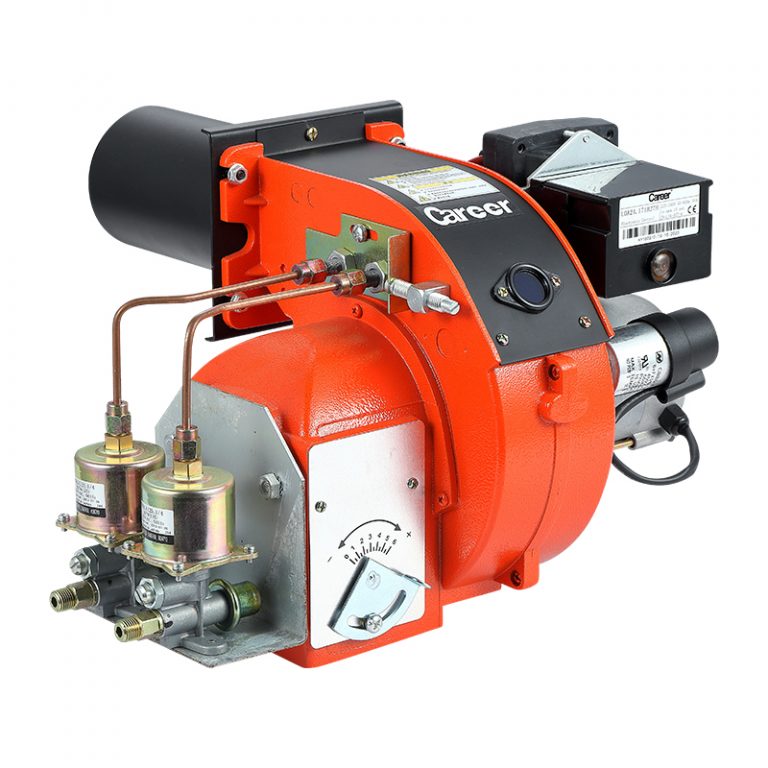
Problem: Costs, Waste, and Unstable Flame
We deal wid real problems: fuel cost climb, waste oil pile up, an’ old burners cyaan tek di load. Folks try retrofit dem boilers an’ cookhouses, but dem get poor combustion, soot, an’ downtime. Some operators look fi a cleaner interim and try a methanol burner fi stable flame control. Even so, a small pilot in Kingston, Jamaica showed how real operational constraints—fuel handling, venting, training—shape success when a methanol stove was tested in community kitchens, so the fixes must fit the site, not the other way round.
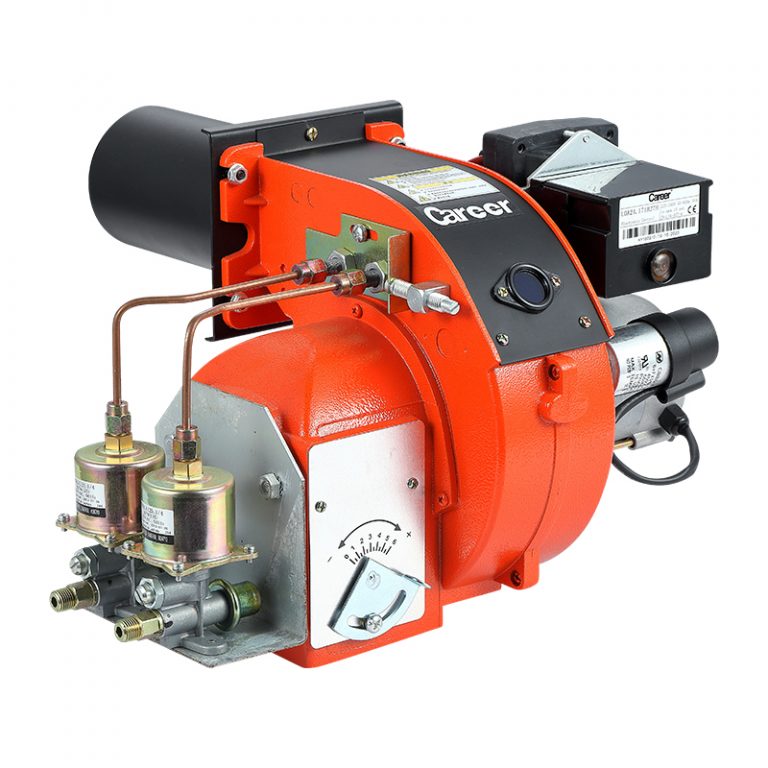
Root Causes We See on the Ground
Old equipment and poor fuel conditioning cause uneven spray and clogged nozzles. Recycling oil without proper pre-treatment invite water, solids, an’ polymerized residues that choke burners. Maintenance routines often slip; staff dem change an’ knowledge walk out wid dem. Regulation and supply chains for clean alternative fuels stay inconsistent, so operators resort to risky shortcuts. Mi speak from years working beside mechanics an’ technicians who patch instead of fix, an’ di result repeat itself.
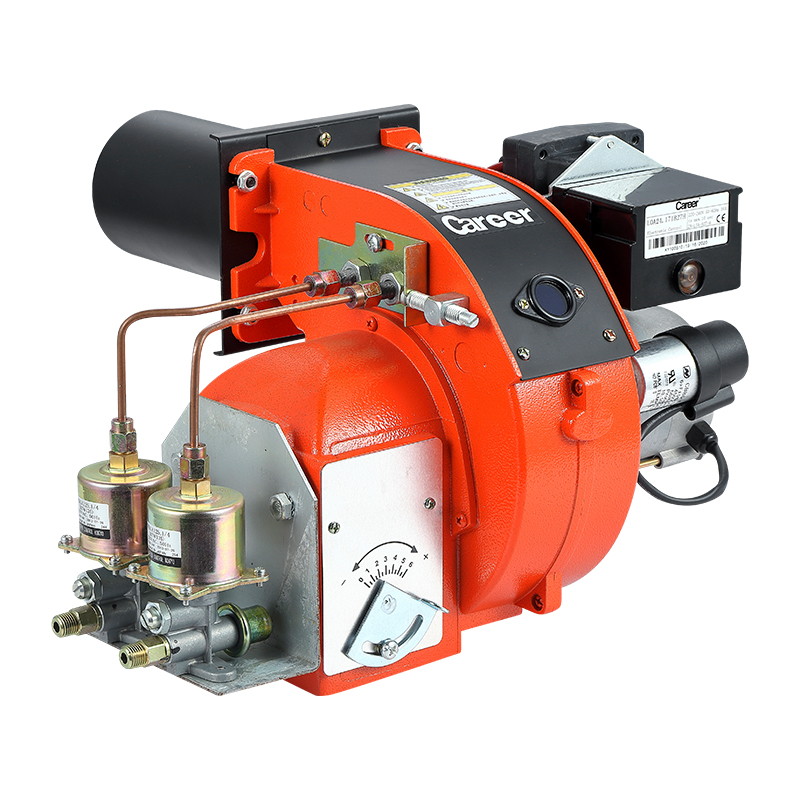
Practical Steps to Fix the Problem
Start wid measurement: burn trials, soot checks, and fuel lab sample. Sort fuel by viscosity and contamination levels first. Fit a robust pre-filtering train — sedimen trap, coalescing filter, and a 10–20 micron final filter — then monitor pressure drops. Control atomization: match nozzle size to recycled oil properties and use adjustable air supply so flame shape stay predictable. Set scheduled purge and inspection routines; simple checklists cut errors. Train two technicians per site so knowledge no disappear when one man a go home. These are direct, hands-on steps, not theory.
Design Checklist for Installing Recycled-Oil Burners
Use corrosion-resistant tanks and heated lines where viscosity demand. Ensure secondary containment for spills. Provide clear sampling ports and standby drain lines. Instrumentation: pressure gauge at filter, differential pressure indicator, and a visible sight-glass for fuel condition. Flame monitoring must be real-time; a camera or photodiode saves time on manual checks. Keep spare nozzles and filter cartridges on site. Each item cut failure points and make operations repeatable.
Common Pitfalls and How Fi Avoid Dem
People underestimate water: even small water content cause dramatic atomization change. Never bypass filters to save time. Overheating recycled oil can polymerize it, making cleaning costly. Don’t oversized burner for a marginal load — low-load cycling raises soot. Avoid mixing incompatible oils; keep a clear acceptance spec. And explain changes to staff in plain language so they follow new routines; training must be practical and short, not a long lecture.
Alternatives and Trade-Offs
Compare recycled-oil burners against other options: properly refined biodiesel gives cleaner burn but need reliable feedstock and cold-flow treatment. Methanol systems offer clean combustion and quick response; they fit small-scale kitchens or temporary setups but require different storage and safety rules. Electrification eliminates combustion emissions but may not be available or economical on site. Choose by site constraints: fuel availability, capital, technical skill, and regulatory context.
Operational Metrics That Actually Matter
Track fuel consumption per useful heat delivered, soot accumulation rate, unplanned downtime hours, and mean time between nozzle changes. Those numbers show if your changes work. Keep charts simple and visible on the shop wall so staff see progress. Use field checkpoints: a weekly visual flame check, monthly filter pressure log, and quarterly fuel lab. These are the kind a technician can follow without heavy paperwork.
Closing: Simple, Practical, Durable
Fix di problem with practical steps: condition the fuel, match atomizer to oil, instrument the system, and train people to keep routine. Solutions from small pilots to larger plants work when they respect site reality and focus on repeatable maintenance. That straightforward approach is what operators use when dem technical choices need to last—and it’s the kind of practical support you find through Career Burners when you want tools and guidance that fit the real world.