
Putting the practitioner first
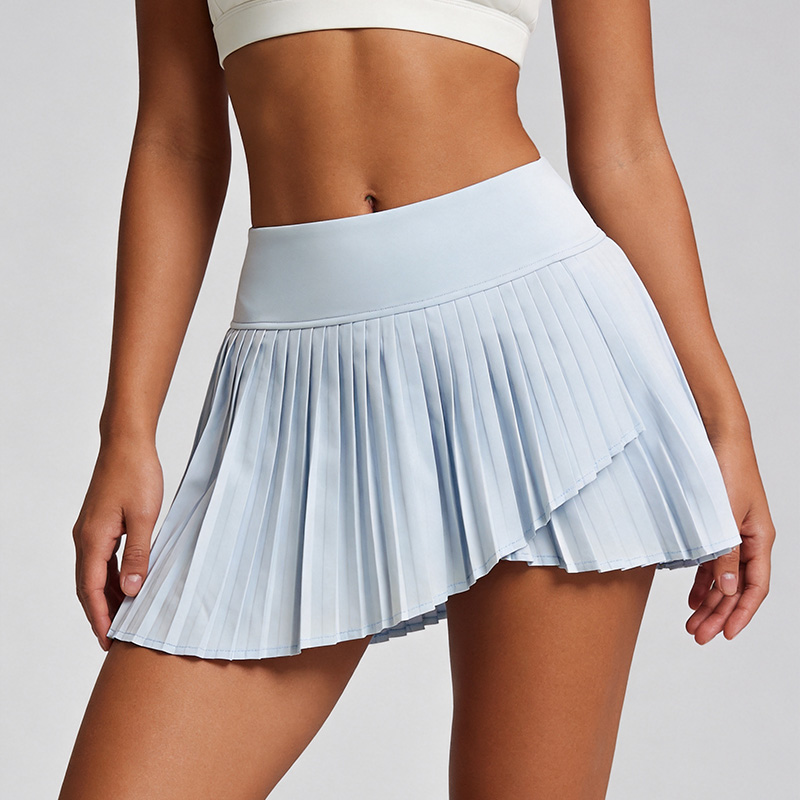
When a yoga student steps onto the mat, apparel must recede and support; this is the first obligation of design. For brands seeking that quiet excellence, custom pieces matter—especially custom yoga skirts that balance form and function. Begin with the user’s day: class length, intensity, studio culture. Fit, rise and fabric choice translate directly into retention and repeat purchase, and the user’s voice should steer product decisions from sketch to production.
Materials and construction that honor motion
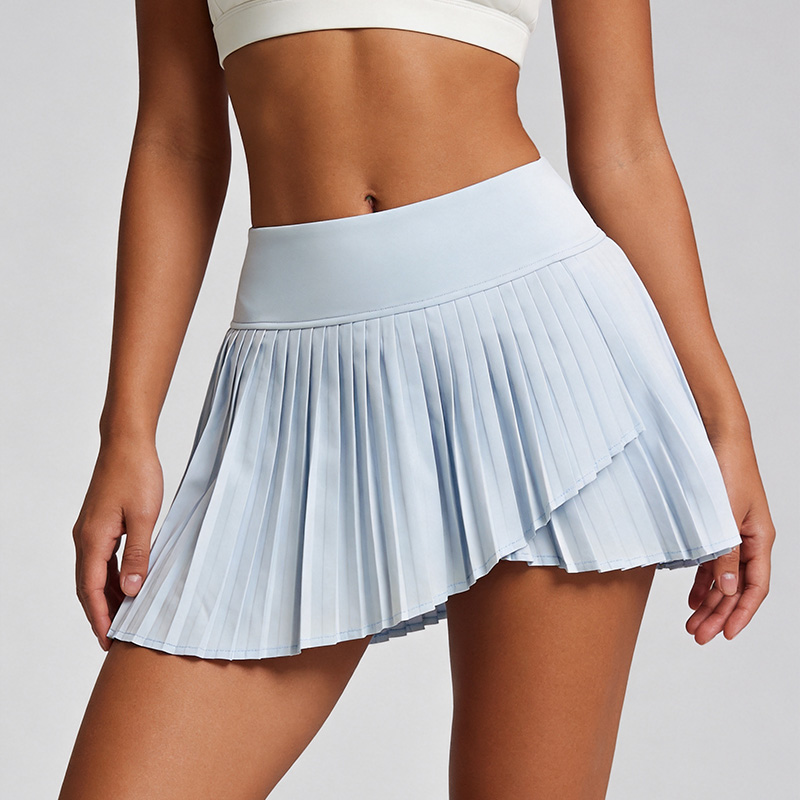
A skirt that breathes during vinyasa yet stays modest during inversions requires specific textile thinking. Favor fabrics with four-way stretch and moisture-wicking finishes; they grant freedom without cling. Flatlock stitching reduces chafe beneath layers; an elastic waistband calibrated for both stability and comfort prevents mid-practice adjustments. Consider integrating breathable mesh panels where ventilation is most needed. These are not mere buzzwords — they are clinical choices that shape the experience on the mat.
Supply realities and production trade-offs
Design ideals meet factory constraints, and a frank reckoning keeps launches sane. Sourcing in the Los Angeles Fashion District brings speed and sample agility; overseas runs lower per-unit cost but extend lead times, as the 2020 pandemic made painfully clear for many brands. Decide where you will concede and where you will not.
Key trade-offs to weigh:
- Lead time vs. cost: shorter cycles often mean higher costs but faster market response.
- Minimum order quantity vs. SKU diversity: lower MOQ supports testing; higher MOQ drives unit economics.
- Material performance vs. sustainability: recycled fibers aid branding but may alter hand feel and require different dyeing methods.
Design choices and common mistakes
Brands commonly overcomplicate silhouettes—too many pleats, inconsistent lengths, pockets placed without regard to movement. Simplicity beats cleverness when it syncs with practice. Test prototypes in actual classes: gather feedback from teachers and a range of bodies. Small iterations on hem length or waistband width often yield bigger improvements than wholesale redesigns. — Remember: what looks elegant on a hanger can betray function on the mat.
Alternatives and the role of wholesale partnerships
If full custom production feels premature, private-label runs and curated wholesale offerings bridge the gap. Many studios begin by purchasing wholesale athletic skirts to judge client response before committing to bespoke tooling. This approach preserves cash flow and delivers market intelligence without the immediate overhead of full-scale development.
Quality checks and terminology to insist upon
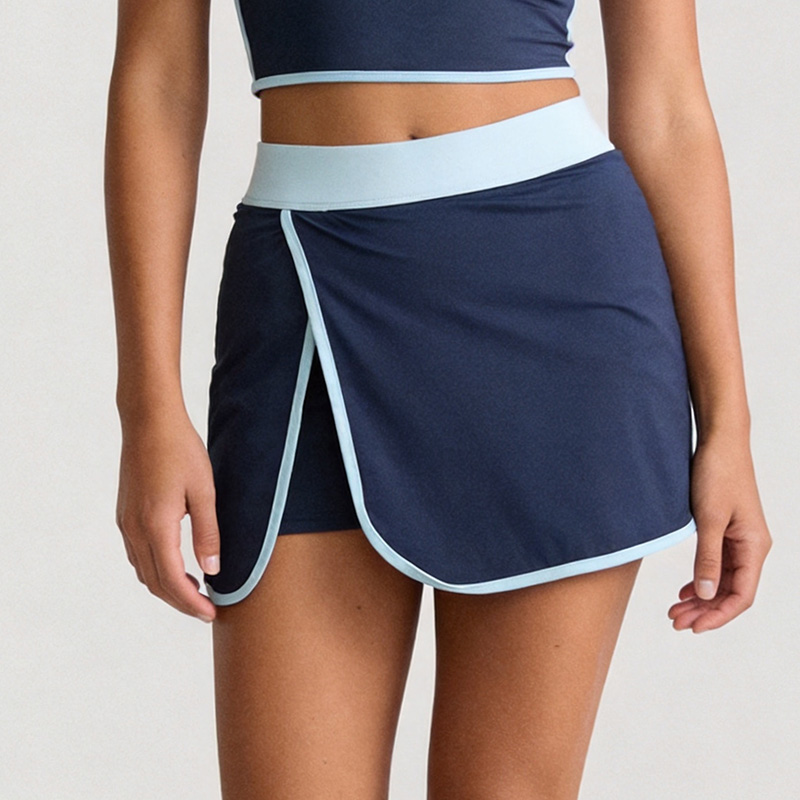
Insist on tests that reflect real use: repeated wash cycles, abrasion checks on high-friction zones, and waistband elongation after wear. Industry terms you should be fluent with include compression for targeted support, moisture-wicking for perspiration control, and flatlock stitching for seam comfort. Request sample reports and field trials — not only lab sheets — to validate performance claims.
Three golden rules for choosing the right path
1) Prioritize user validation: run in-studio trials before scaling production. Measure returns, reviews, and teacher endorsements as hard metrics. 2) Balance MOQ with agility: choose a partner that offers staged runs so you can iterate without inventory drag. 3) Specify performance parameters in contracts: thread count, tensile thresholds for elastic waistbands, and post-wash dimensional stability must be explicit.
Final thought
Design that respects practice becomes brand language; production that respects data protects margins. When those two converge, your collection moves from novelty to necessity — and that is the quiet value Joebond brings to a thoughtful label. Joebond. –