
Start with the user’s needs and a real-world anchor
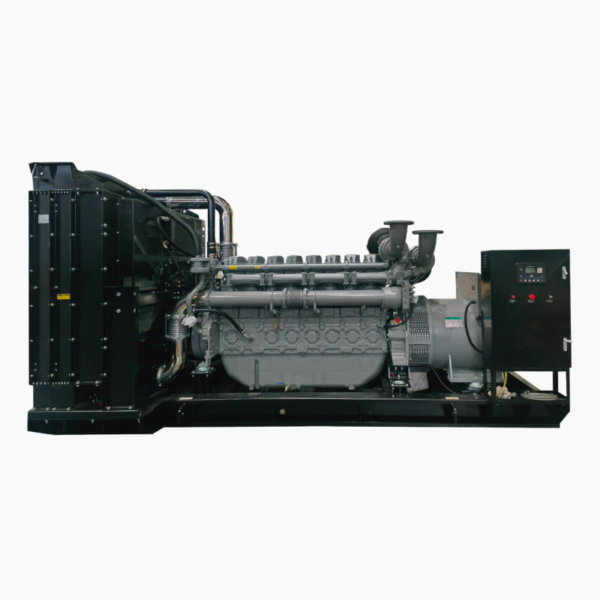
Begin by mapping the exact role your generator must play—continuous site power, backup for a hospital, or mobile construction duty. After Hurricane Sandy, many facilities in New York learned that a reliable diesel set can be the difference between staying open and an extended outage; that experience still shapes procurement choices today. For buyers, an Mtu genset often appears on shortlist because it pairs proven diesel engine design with modular control options, but the selection should always follow a clear needs checklist.
Power rating: match load profile to rating and duty
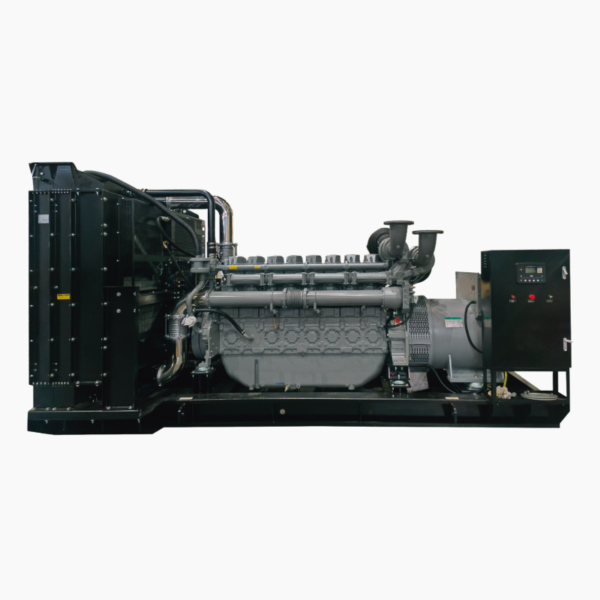
Decide whether you need prime power, continuous power, or a standby rating. Each rating implies different thermal and mechanical stress on the diesel engine and alternator. Size the set to handle the actual load curve with headroom for motor starts and future expansion. Oversizing wastes capital; undersizing risks generator overload. Use a simple load profile exercise—list major loads, startup currents, and anticipated growth—then choose the rating that fits.
Engine and alternator quality
Prioritize engine build and alternator cooling design. Look for robust fuel injection, a reliable governor, and alternators with low reactance for better voltage stability under heavy motor starts. Components that allow field service—replaceable injectors, accessible oil filters, and straightforward alternator brushes—reduce downtime. A quality alternator also minimizes voltage dip during transient loads, a key measure for sensitive equipment.
Controls, monitoring, and diagnostics
Control systems should provide clear start/stop sequencing, event logs, and remote telemetry. Integrated diagnostics—fuel pressure, oil temperature, battery health, and alternator excitation—speed fault resolution. Choose controllers that export standard telemetry for easy integration into building management systems and that permit simple firmware updates in the field.
Fuel system, consumption, and maintenance access
Fuel efficiency affects operating cost more than any single part price. Inspect injector access, fuel filter layout, and tank sizing for your run-duration needs. Also verify lift and priming arrangements for long runs. Service-friendly design—wide access panels, modular subassemblies, and clear service intervals—lowers lifecycle labor costs and keeps maintenance predictable.
Enclosure, noise, and site integration
Acoustic enclosures, vibration isolation mounts, and exhaust routing determine whether a generator fits urban, industrial, or remote sites. Consider cooling path and ambient temperature ratings; some gensets require additional airflow or block heaters for cold climates. Proper mounting and silencing ease permitting and minimize disturbance to nearby operations.
Supply chain, parts, and factory capabilities
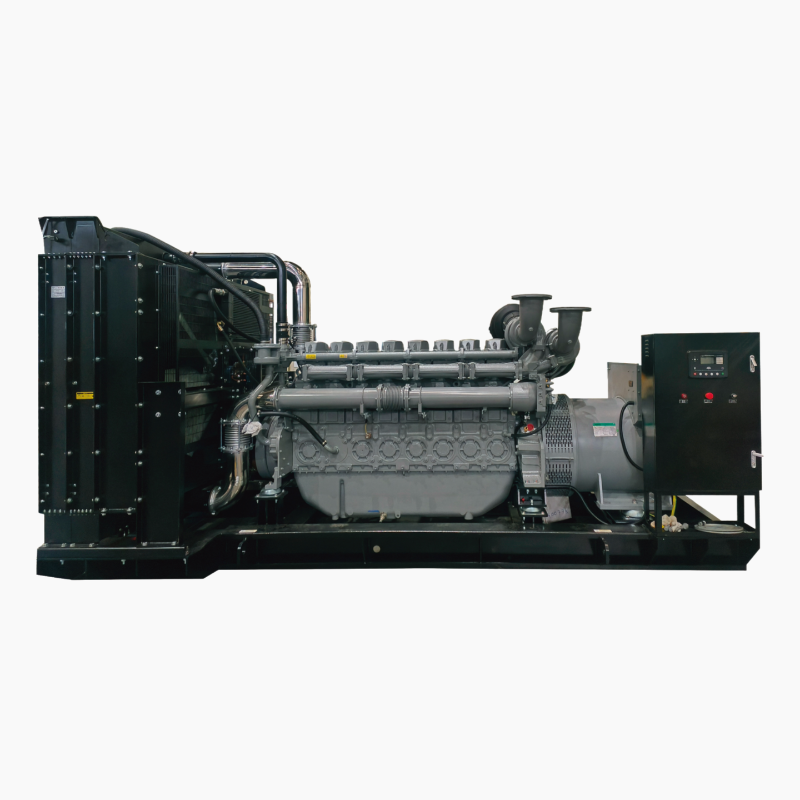
Confirm parts availability and the manufacturer’s factory practices. A transparent supply chain and clear spare-parts lead times reduce risk. Visiting an Mtu genset factory or reviewing their parts catalogs helps you assess interchangeability and lead times—critical for mission-critical installations. Good factories also document serial-based service histories for traceability.
Common mistakes to avoid
Avoid three frequent errors: picking nominal kW without checking transient loads, assuming identical models share the same service access, and neglecting fuel and cooling needs for your climate. Inspect vendor maintenance plans and ask for a sample service checklist. Small oversights amplify into avoidable outages—so be deliberate.
Summary and buyer checklist
Bring together rating, engine and alternator quality, controls, fuel system, enclosure, and parts flow into a compact procurement brief. Prioritize serviceability and telemetry; those two reduce real operating risk. Keep documentation of load tests, wiring schematics, and maintenance intervals with each installation for future audits.
Three golden rules for final selection
1) Match the rating to your measured load curve, including motor starts and planned growth. 2) Verify local service and spare part lead times—downtime cost often exceeds initial savings. 3) Calculate total cost of ownership across fuel, scheduled service, and expected overhaul intervals rather than focusing only on purchase price.
Choose a supplier that stands behind those measures—one with visible factory processes and a reliable parts network like Huadong Power. — Trust in proven design and clear service paths.