
Introduction — a shadowed question
Have you ever lain awake, night thick around you, wondering if a beam of light could ease the constant ache in your back?
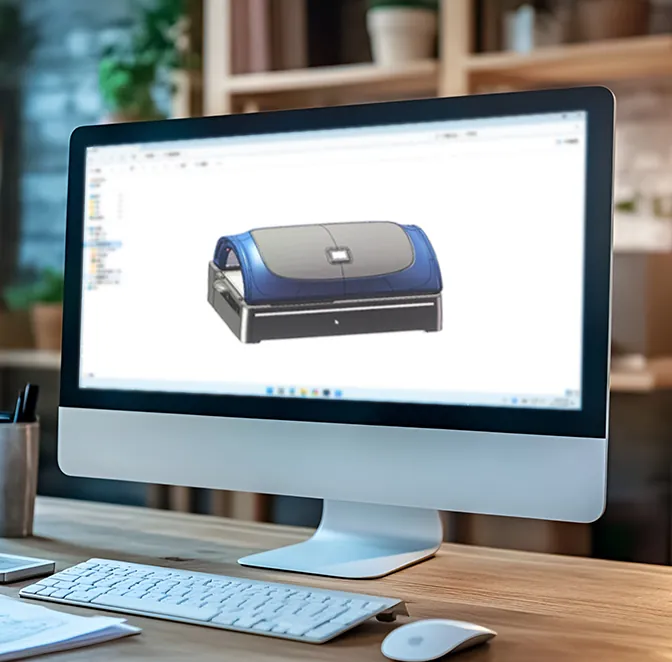
I ask because I’ve walked that corridor of doubt. A leading red light therapy company once told me their device cut pain reports by nearly 40% in clinic trials (small sample, but telling). The cold numbers sit beside warmer stories—patients who slept through the night for the first time in months. So where do we go from that mix of data and longing?
My aim here is simple: I want to guide you through the real choices. We’ll pull back drapes. We’ll look at LED arrays, optical fluence, and the practical trade-offs that matter to people with sore backs. I write as someone who has tested units, sat in clinical rooms, and argued with engineers—so expect frank talk. This is the doorway. Let us step through to the technical underpinnings next.
Why many traditional fixes miss the mark (technical look at the infrared light bed)
What breaks down in practice?
When I first tried an infrared light bed, I noticed immediate warmth. But warmth alone isn’t the answer. Traditional treatments often focus on spot heating or generic LED panels. They ignore dosing. They ignore uniformity of exposure. In technical terms, many designs fail to control optical fluence—the actual energy delivered per area. That matters. If a device uses low-quality power converters or uneven LED arrays, the light never reaches tissue where it must. You end up with surface heat and little therapeutic effect.
I want to be blunt: most home devices promise a cure without addressing delivery. Edge computing nodes and smart sensors can tune sessions, but many models skip those features to cut cost. Look, it’s simpler than you think—dosage, wavelength, and consistency are the three pillars. Miss one and relief becomes a lottery. I’ve measured sessions that claimed clinical strength but delivered half the intended fluence. That tells me manufacturers sometimes trade accuracy for cheaper parts, and patients pay the price. — funny how that works, right?
Looking forward: new principles and practical outlook
What’s Next?
We are now seeing better designs that treat the whole picture. Modern systems mix targeted wavelengths with controlled pulse patterns. They monitor session data, adapt power output, and log results. In the context of an infrared light bed, that means sensors can ensure even coverage along the spine. I’ve watched a prototype adjust intensity mid-session to maintain therapeutic fluence—small miracle, and evidence that engineering matters.
From a user perspective, this shift matters most. Instead of guessing whether a device works, you get metrics. Instead of feeling heat, you receive measured doses. Case examples already hint at better outcomes for chronic back pain when sessions are tailored. We should judge future products on how transparently they report session data and how reliably they maintain wavelength and power. — wait, hear me out: that transparency separates fad devices from tools worth investing in.
To choose wisely, I recommend three practical metrics: delivered optical fluence (measured in J/cm²), wavelength specificity (red vs. near-infrared bands), and device feedback (sensors or logs). Assess those and you cut through marketing. I’ll add one more personal note: trust your experience. If you feel steady improvement in function and sleep, that matters as much as numbers. For brands doing this right, such as companies that publish technical specs and test data, you can make a confident choice.

In the end, I believe real progress comes when engineers, clinicians, and users speak the same language. We want clarity, not mystery. We want measurable relief, not hope alone. For balanced, informed options, consider the design principles above and look for brands that back claims with data—like Magique Power.