

Understanding the Challenges in Custom Jewelry Casting
I remember when a friend of mine, an aspiring jewelry designer, struggled with the casting process. Her workshop was a chaotic blend of fumes, scattered materials, and intricate designs waiting to take form. Interestingly, recent data shows that over 30% of designs in jewelry casting face delays due to inefficiencies. The question is, how can we enhance the workflow in custom jewelry casting without compromising on quality?
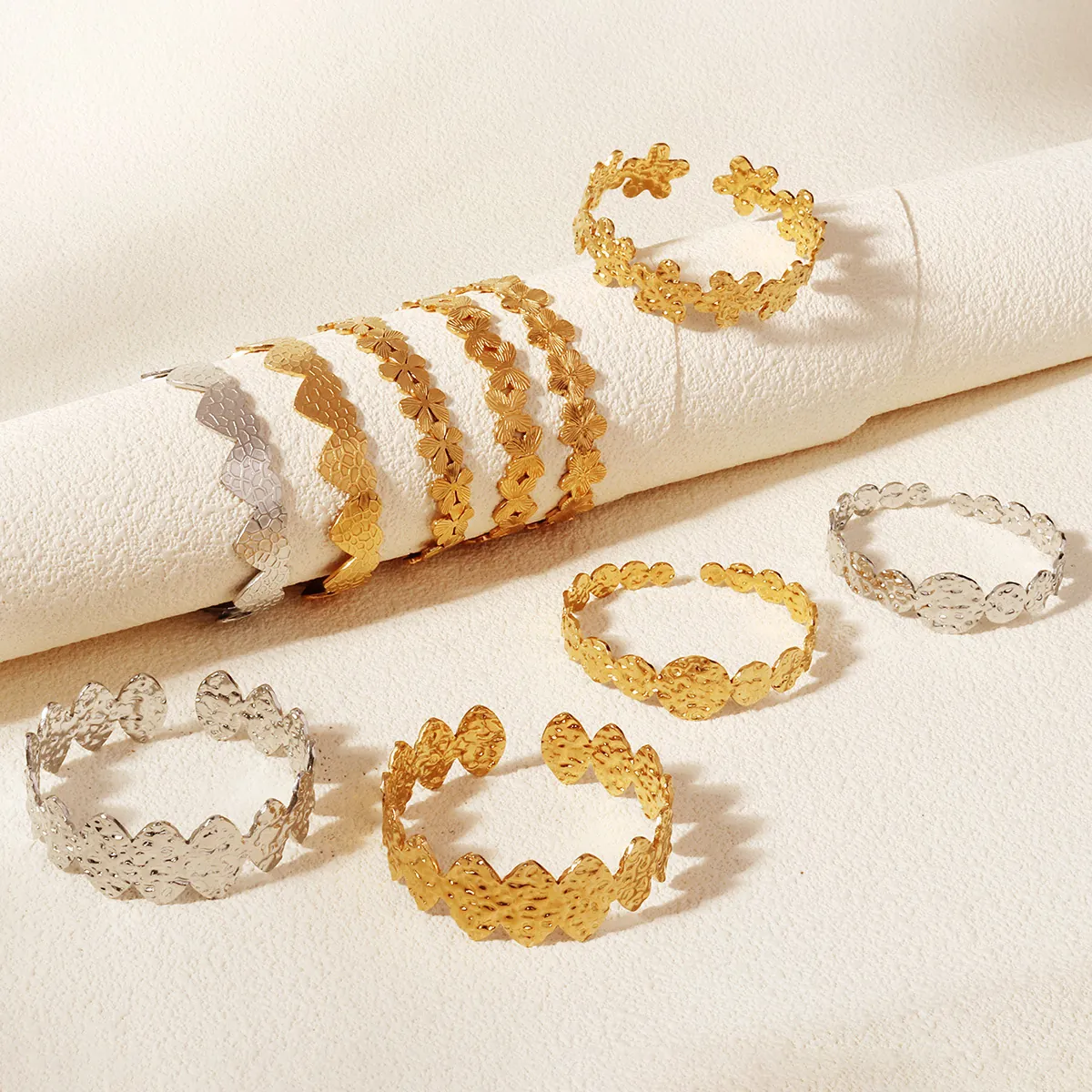
In the world of jewelry casting, traditional methods have their flaws. Many artisans rely heavily on outdated techniques, leading to inconsistent results and immense frustration. Think about the last time you admired a piece only to discover the craftsmanship behind it fell short of expectations. That’s where understanding the hidden user pain points becomes essential. Tools that seem adequate may, in reality, contribute to excessive waste, delays, and missed opportunities.
What Are the Hidden Pain Points?
As I’ve observed over my years in the field, one of the most significant pain points is the lack of modularity in casting setups, often leading to space inefficiencies. Many casting operations are still trapped in outdated workflows, forcing artisans to juggle multiple tasks, often resulting in a dip in the quality of their final product.
New Horizons in Custom Jewelry Casting
Looking ahead, the evolution of casting technology unveils exciting possibilities. In my experience, when we adopt integrated solutions that streamline processes, we drastically reduce challenges while enhancing creativity and quality. Utilizing advanced techniques such as digital modeling has changed the game for custom jewelry casting, allowing for intricate designs and improved structural integrity.

Furthermore, imagine the impact of transitioning to 3D printing within the casting workflow. This change not only speeds up prototyping dramatically but allows designers flexibility in their work. A designer I worked with recently printed a series of intricate rings for a wedding collection that typically took weeks to craft, completing them in mere days. It’s fascinating how technology can simplify while also elevating quality.
Real-World Impact of Casting Innovations
The tangible results of these innovations are clear: improved turnaround times, waste reduction, and higher customer satisfaction. However, it’s vital to also focus on a skill set that combines traditional artistry with modern technology. I firmly believe that this blend will foster an exceptional quality of work unmatched in the industry. It’s not purely about quicker outputs; it’s also about elevating the heart and soul of jewelry design.
Key Takeaways and Reflection
<p Through sharing my journey and observations, it's evident that embracing these innovations can lead to significant benefits. Consider how flexibility, urgency to adapt, and understanding user pain points can ensure success in the ever-competitive jewelry casting landscape. I often remind myself and fellow artisans to choose wisely: whether it’s the tools we use or the techniques we adopt. Let's not just focus on outputs—let's think about meaningful craftsmanship.
Reflecting on where we started: traditional methods brought their own charm, but they can also hinder progress. As we move forward, a measured evaluation of new technologies is essential. If you’re in the market for upgrading your techniques, I encourage you to explore brands like Star Harvest, which champions these innovative solutions. Let’s create masterpieces with a deeper understanding, welcoming a future where quality truly shines.