
Introduction: A Quiet Bottleneck at the Curb
Late evening, a depot is calm, but vans still queue for power. The second driver thinks the line will move fast, yet it creeps. In this story, the charge discharge module sets the pace more than the plug or cable. Field logs show up to 8–12% energy lost as heat in older stages, and as much as 20% of sites derate under high ambient. So the queue grows, and the clock does not forgive—funny how that works, right?
In practice, these small losses add up. Waste becomes heat; heat triggers derating; derating extends dwell time. We see this chain across power converters, rectifiers, and control firmware (simple cause, heavy effect). The question is direct: which design choices actually save time and energy, and which only shift cost to the user? We will compare what is typical with what is possible. Let us move to the deeper layer and see where delays are born.
Hidden Friction Behind a “22 kW” Label
Where do delays really come from?
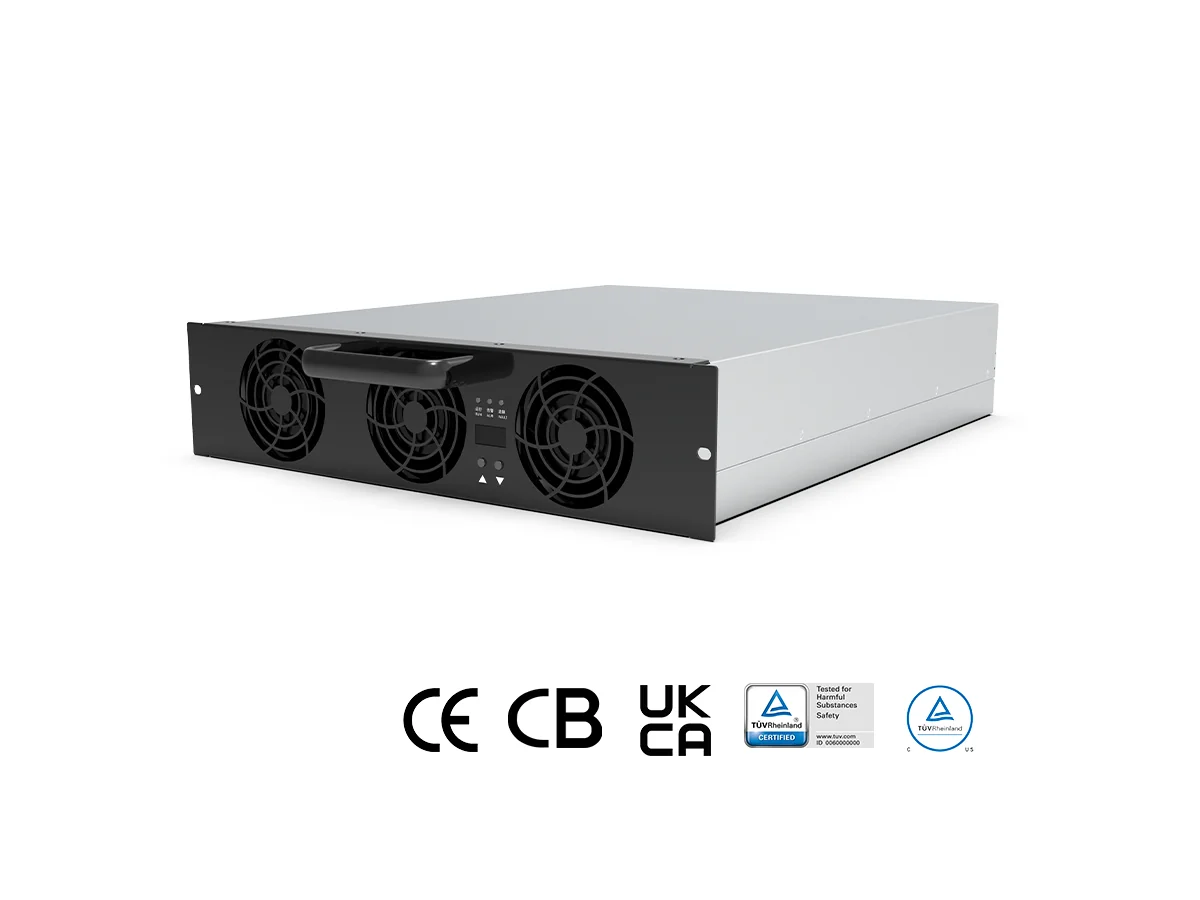
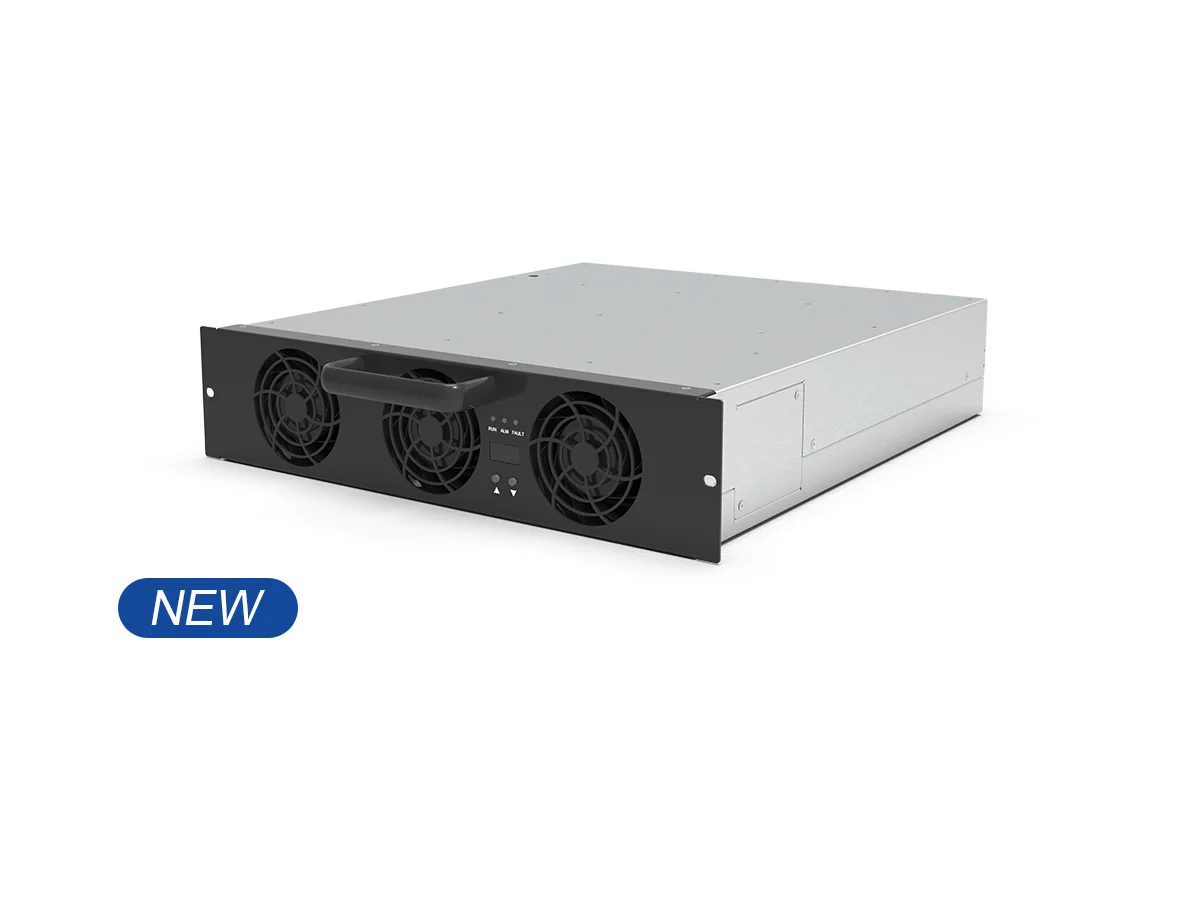
Many sites adopt a 22 kW platform for light fleets and mixed parking. The anchor device is often the 22kw DC EV charger 20, yet the user experience hinges on details that spec sheets hide. The first source of pain is thermal derating. A dense cabinet, poor airflow, and long duty cycles cause a step down from rated power. The second is control mismatch. If the BMS over CAN bus maps charge limits differently from the module, handshake delays appear. A third is grid quality. High total harmonic distortion invites nuisance trips upstream. Look, it’s simpler than you think: a few weak links slow the entire lane.
Traditional builds rely on a basic PFC front end, a two‑level bidirectional inverter, and conservative EMI filters. That stack works, but it often wastes headroom in real weather. DC link ripple rises; fans work hard; noise grows. Over time, bearings wear, and the unit derates earlier in summer. Service teams patch firmware on-site, one cabinet at a time—costly and slow. Edge computing nodes can help, yet without good telemetry granularity, alarms are late. The result is a device that is “22 kW” only in a narrow lab window, not at curbside, not at 40°C, not with a busy queue.
Comparative Principles: How New Designs Change the Line
What’s Next
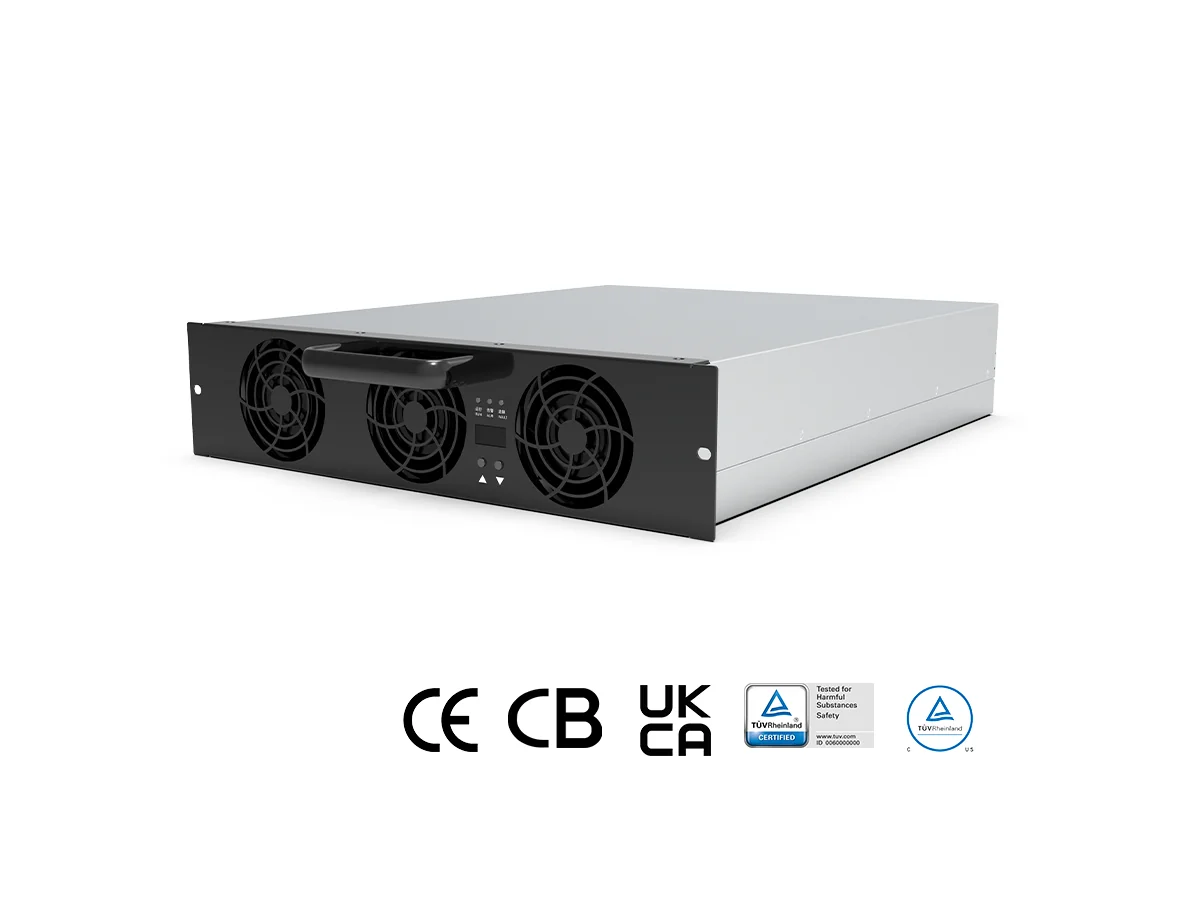
Now, compare a legacy chain with a modern path. New modules use SiC MOSFETs to cut switching loss. They adopt three‑level topologies for lower stress and better efficiency at partial load. Thermal control is predictive, not reactive. The controller estimates heat flux, then shapes current before fans race. Harmonic control is active, so upstream breakers stay calm. The same physical cabinet moves more energy with less noise—because the inside parts talk well. Details are small, but effects are large (and quick).
Control integration improves, too. With clearer BMS profiles, the handshake is tight and short. CAN bus maps are documented and testable. Firmware supports fleet APIs, so remote updates are routine. Diagnostics look at DC link ripple, not just alarms. And EMI filters are tuned for real grids, not only lab mains. The outcome is steady output, fewer pauses, and lower acoustic load. Even at 40°C, the derating curve is gradual, not a cliff—this is what keeps queues moving. See also the formal spec link if you want to trace the idea path.
Summing up the insight: time loss is not only about kW. It is about thermal pathways, control timing, and grid behavior. When these align, the same site feels faster. When they do not, each car waits longer, and energy costs rise—funny how that works, right?
Advisory close. To choose well, check three metrics that you can measure. First, round‑trip efficiency at 25°C and 45°C across 20%, 50%, and 100% load; ask for plots, not one number. Second, integration depth: BMS/CAN profiles, open logs, and remote diagnostics with clear MTTR targets. Third, thermal and acoustic stability under a two‑hour duty cycle at rated power, with the full derating curve published. These three items turn a “22 kW” label into predictable time and cost. For deeper reference, you may review engineering notes at winline EV charging without haste.