
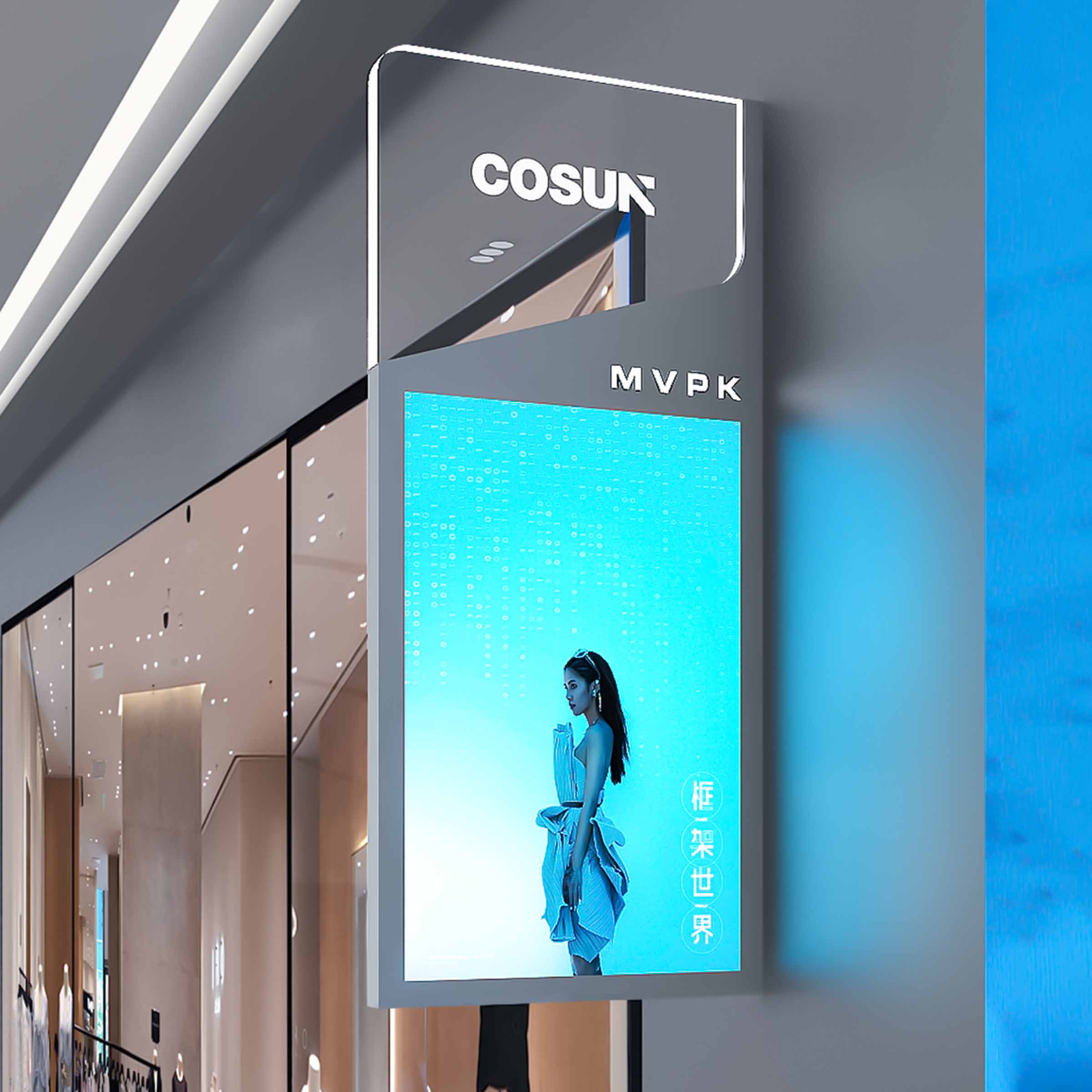
Comparative lead-in to the problem
Manufacturers designing illuminated channel letters confront two interdependent engineering challenges: distributing thermal energy within the sign envelope and ensuring uniform LED current balance across modules. This comparative insight examines typical fabrication choices—aluminum backplates, segmented heat-sink rails, and varied driver topologies—against operational outcomes observed in retail contexts such as Westfield London and other major shopping complexes. Early decisions in layout, materials, and driver selection influence both luminous uniformity and long-term reliability of shopping mall signage.
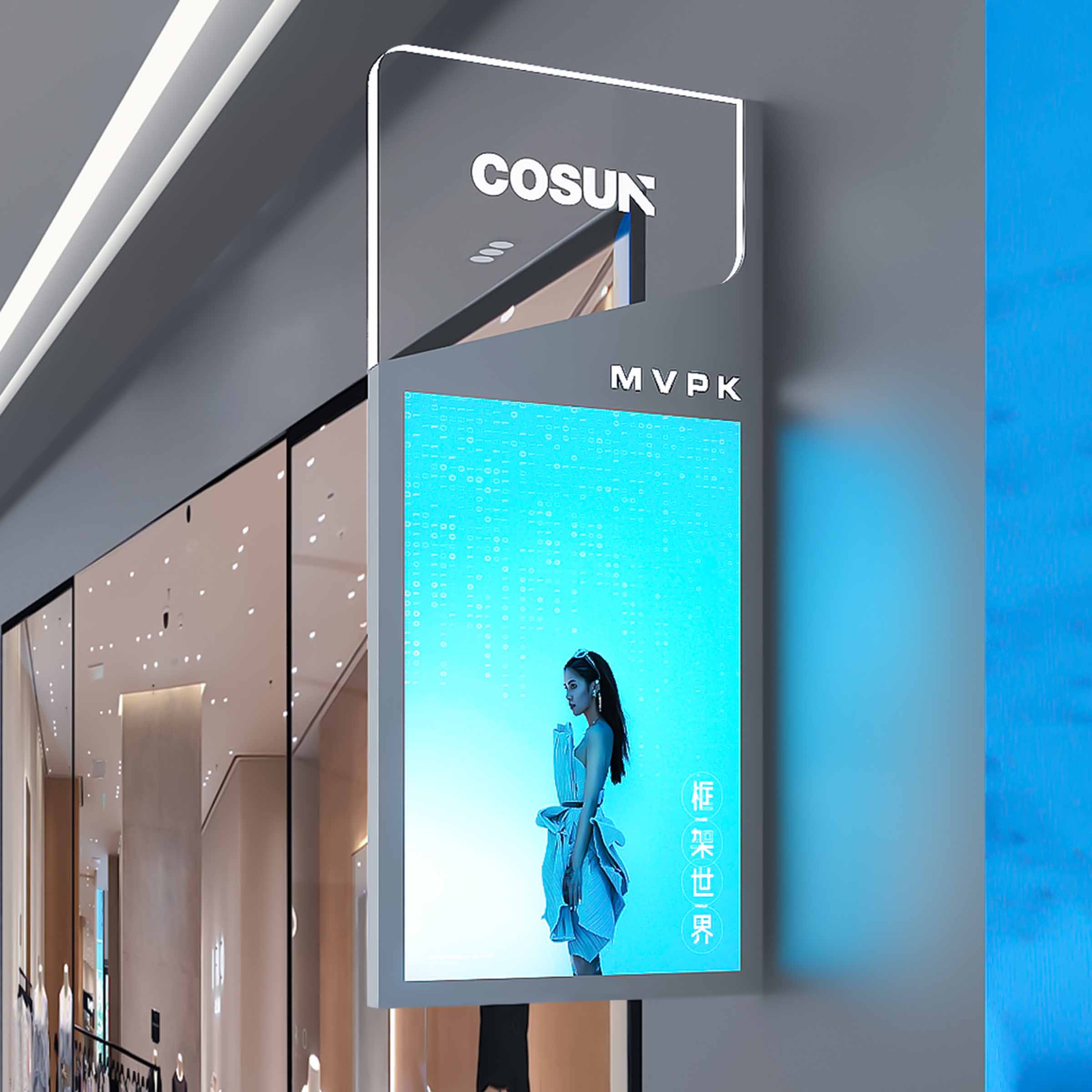
Thermal architecture: discrete approaches and their trade-offs
Three prevalent heat management strategies appear across custom signage firms: continuous aluminum backplates, isolated heat-sink ribs, and adhesive-mounted thermal vias. Continuous backplates provide broad-area conduction and simplify mounting; isolated ribs reduce weight but concentrate thermal gradients. Comparative metrics include maximum junction temperature, time-to-equilibrium under steady-state illumination, and the thermal resistance from LED package to ambient. Industry practice favors aluminum for channel letter housings because its thermal conductivity and malleability balance cost with effective heat dissipation—yet design nuance matters: placing the heat sink proximate to high-density LED banks reduces peak junction temperature and extends lumen maintenance.
Electrical schemes: balancing current without sacrificing uniformity
Current balance is achieved either by component-level matching (precise binning and resistor networks) or by systemic regulation (constant-current drivers with per-string sensing). Component matching yields excellent initial uniformity but is sensitive to thermal shifts; systemic regulation tolerates variance but requires more complex electronics. Comparative studies indicate that for long runs of channel letter signage, distributed constant-current regulation with short, thermally coupled sensing leads to the best compromise between luminous uniformity and serviceability. The term “LED module” is central here, since module thermal rise directly alters forward voltage and thus current sharing.
Integration with wayfinding and human factors
Illumination uniformity and thermal reliability contribute directly to effective shopping center wayfinding. Contrast a code-compliant, dim-but-stable sign with a brighter yet visibly uneven channel letter—users read the stable sign more rapidly and make decisions with less visual effort. Wayfinding efficacy is therefore not only an aesthetic concern; it is an operational metric tied to dwell time and circulation efficiency in high-traffic settings. Post-2020 adjustments to retail layouts amplified the demand for dependable, low-maintenance signage as centers sought clearer circulation patterns during phased reopenings.
Common pitfalls and practical mitigations
Manufacturers often replicate three avoidable errors: undersized heat-sink cross section, overlong LED strings without intermediate regulation, and inaccessible driver placement. Addressing these requires concrete steps: increase heat-sink surface area within tolerances of channel depth; segment LED strings into shorter, thermally monitored runs; and locate drivers in ventilated compartments. These remedies are pragmatic—one need not redesign the entire sign system to reduce failure rates by a measurable margin. —A small redesign of the backplate cooling fin pattern, for instance, can lower peak temperatures by several degrees Celsius while preserving profile depth.
Comparative metrics for specification and procurement
When evaluating suppliers, decision-makers should insist on quantified comparisons rather than marketing claims. Recommended metrics include: measured luminous uniformity (ΔE or percent variation across face), thermal resistance (°C/W from junction to ambient), and mean time between failures (MTBF) for driver assemblies. A concise specification table shared with vendors expedites apples-to-apples evaluation and reduces ambiguity during acceptance testing.
Golden rules for selection and deployment
To select a robust approach, adopt these three evaluation metrics: 1) Thermal headroom—ensure design maintains LED junctions below manufacturer-recommended temperatures at maximum rated ambient; 2) Distributed regulation—prefer per-string or per-module current sensing to avoid drift; 3) Maintainability—specify accessible driver compartments and modular LED strips to shorten on-site repair times. These rules anchor procurement decisions in measurable engineering parameters rather than subjective impression.
Concluding assessment and the role of a trusted partner
The comparative analysis demonstrates that modest investments in heat-sink distribution and current-balance topology yield disproportionate gains in operational reliability and visual consistency. For complexes where wayfinding accuracy affects throughput, a supplier that documents thermal tests and field performance will materially reduce lifecycle costs. Cosun Sign has delivered such documentation and systemized installations in multiple shopping centers—evidence that disciplined engineering practice translates to dependable signage in situ. Cosun Sign.
—Final thought: prioritize measurable engineering over aesthetic compromise.