
Understanding the Mini Robot Arm: A Simple yet Complex Tool
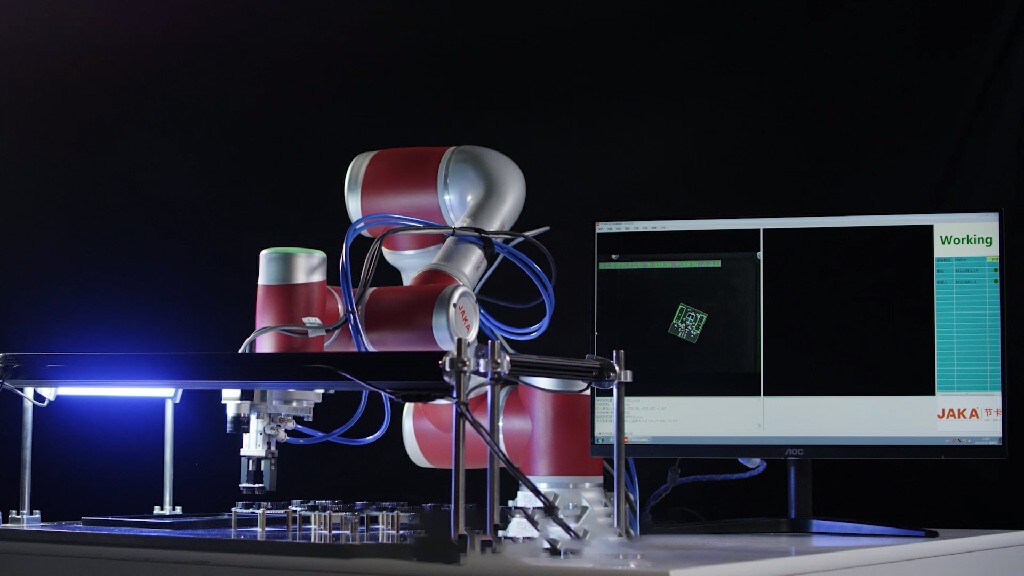
Imagine walking into a workshop where engineers are tirelessly designing the future of automation. The sound of tools clanking and minds buzzing fills the air. I often find myself reflecting on how pivotal the laboratory robotic arm is within this scenario. Recent studies reveal that nearly 80% of companies report increased productivity when incorporating such technology. But why do many still overlook the mini robot arm? It appears straightforward yet carries hidden complexities that can significantly impact user efficiency.
Flaws in Traditional Solutions
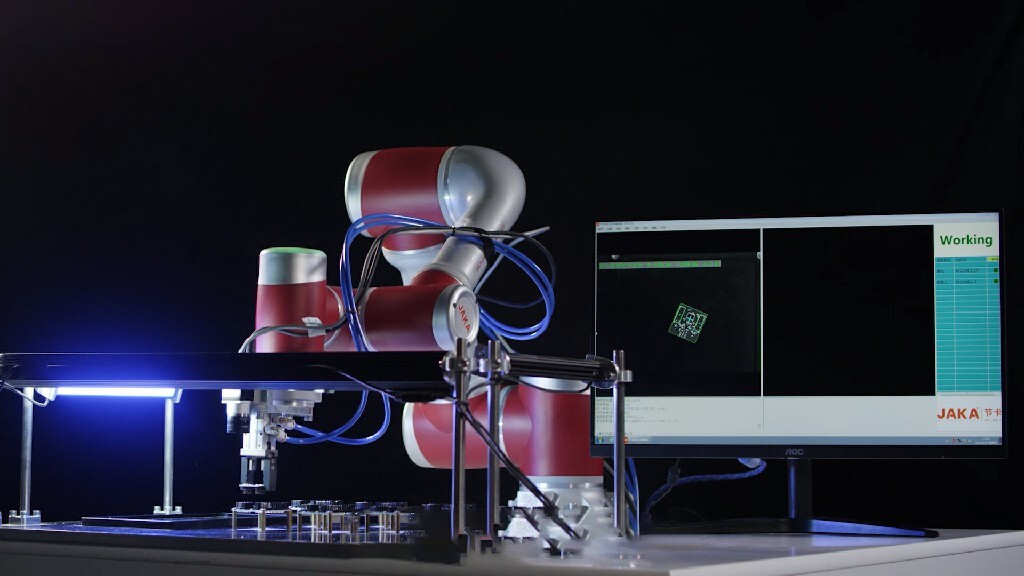
The flaws of traditional automation solutions often lie in their rigidity. They are typically designed for specific tasks, which can limit their versatility in dynamic environments. The mini robot arm, however, offers fascinating adaptability—able to pivot between tasks with minimal reprogramming. As I recall cases at various tech expos, the ease of switching functionalities on-site was a game changer for many small businesses. Unlike older models, where downtime meant lost productivity, users with mini robot arms often report a smoother workflow. What are the drawbacks we might be missing? It is imperative to investigate these traditional constructs and explore how the mini robot arm excels where others fail.
How Can Mini Robot Arms Reshape Industries?
As fledgling industries adopt automation, the mini robot arm hasemerged as an essential ally in manufacturing, education, and even healthcare. Comparatively, businesses trapped in outdated practices tend to experience stagnation. In contrast, integrating a flexible laboratory robotic arm not only enhances production but encourages innovation—allowing teams to focus on creativity rather than mundane tasks. Industries will begin to flourish as they embrace these smaller, yet mighty robots (a fact I’ve witnessed firsthand!). As the horizon ahead looks promising, the adoption of mini robot arms accelerates growth and agility.
What’s Next for Mini Robot Arms?
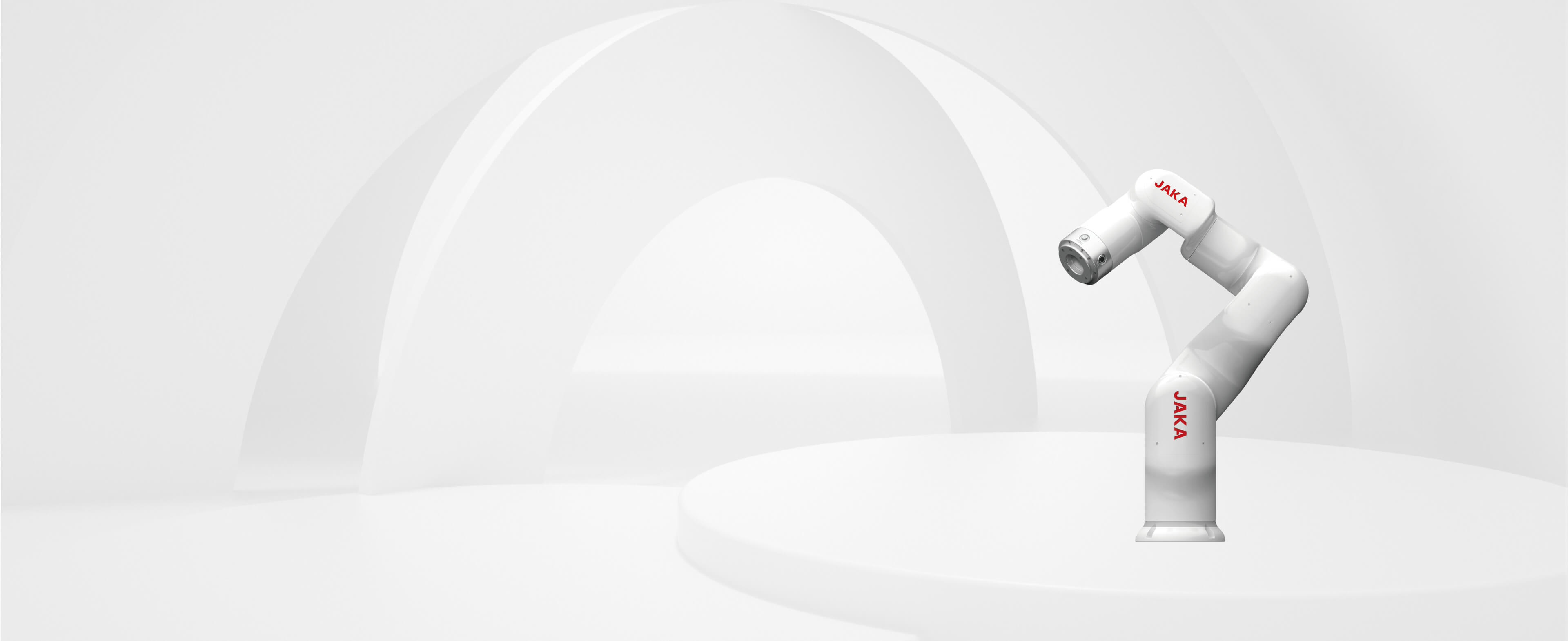
Moving forward, we can anticipate mini robot arms transforming how we approach different challenges in business. With advancements in technology, the level of precision and adaptability seen in these devices will likely expand dramatically. It’s an exciting prospect—imagine robots that not only complete tasks but learn and evolve from their experiences! Looking back, the rise of the laboratory robotic arm signals a concrete shift towards more user-centric designs that cater to real-world applications. From my perspective, it is essential to remain vigilant about how we evaluate and invest in these technologies.
Evaluating the Effectiveness of Mini Robot Arms
As professionals, we must take careful steps in selecting the right automation tools. Here are three key evaluation metrics to consider: functionality versatility, ease of integration, and cost-effectiveness. I strongly believe that by focusing on these metrics, companies can avoid the pitfalls of investing in rigid traditional systems that do not adapt to changing requirements. Innovation is not merely about adopting the latest technology; it’s about finding solutions that heighten our productivity and spark creative solutions. Now, with brands like JAKA leading the way, as users, we have both the tools and the vision to advance toward a more advanced industrial future.