
Introduction: When the Module Becomes the Bottleneck
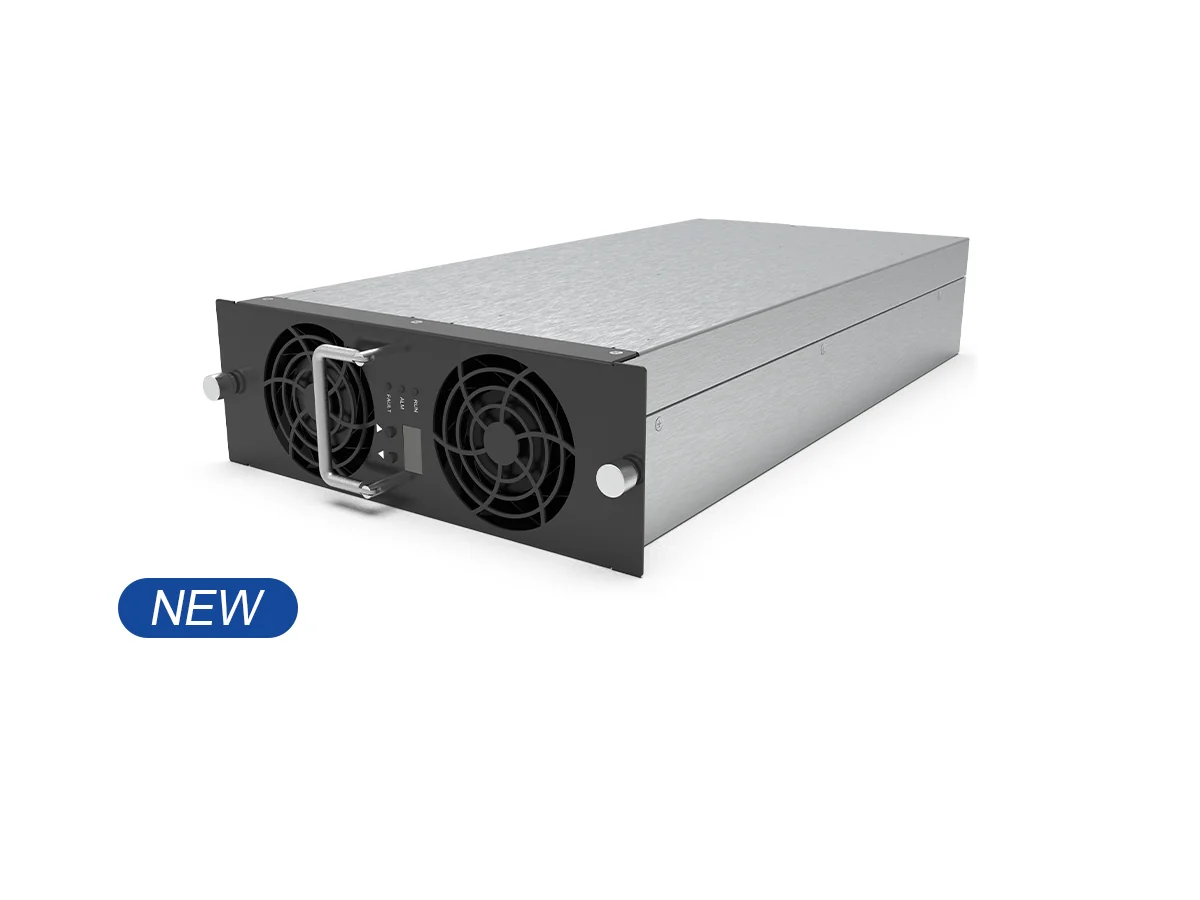
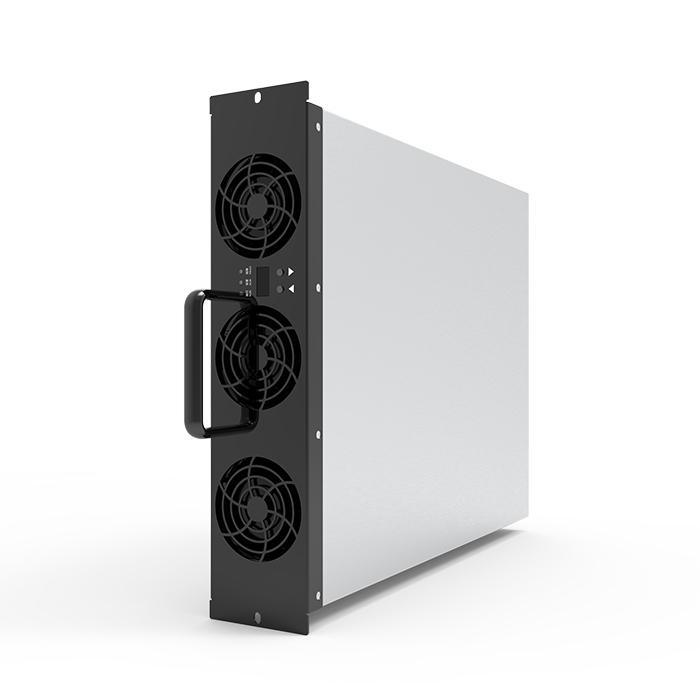
Define the core first. A charging power module is the switch-mode heart that turns grid AC into stable DC for a traction battery. The power module for EV charger must manage high voltage, high current, and heat—reliably, every minute of the day. In high-demand sites, an isolated unidirectional charging module now sets the practical limits on speed, uptime, and safety. Picture a winter highway plaza with six cars waiting; each needs about 35 kWh, the feed is 400 kW, and the ambient is near freezing. Can the converters hold a flat current curve without thermal derating or EMI hiccups? Look, it’s simpler than you think—if the fundamentals are right.
Traditional stacks lean on hard-switched bridges and aging IGBT designs. Loss rises fast, so fans run harder, and heat soaks the DC link (think 400–1000 V DC bus). That invites current droop, noise, and service downtime. PFC stages juggle harmonics under stress, EMI filters grow bulky, and control loops chase stability. Meanwhile, drivers feel it as slow ramp-up and uneven charge curves—funny how that works, right? These are not only lab issues; they are field pain points. The question is not “can it charge?” but “can it stay stable at the edge cases?” Let’s shift to what changes when isolation, unidirectional flow, and better control lead the design.
Comparative Insight: Why Isolation and One-Way Flow Win Today
New principles matter. An isolated, one-way architecture drops the complexity of reverse power flow and eases protection design. With an LLC resonant stage and SiC MOSFETs, the switch frequency goes up while losses go down. That shrinks magnetics, trims the DC link, and calms EMI. Galvanic isolation keeps faults from crossing domains. Digital control over CAN bus then holds current steady, even when the grid wobbles. In effect, fewer parts run cooler and longer—higher mean time between failures, lower service cost. Smaller also means lighter, so cabinet density goes up. Reliability and power density reinforce each other—funny how that works, right?
What’s Next
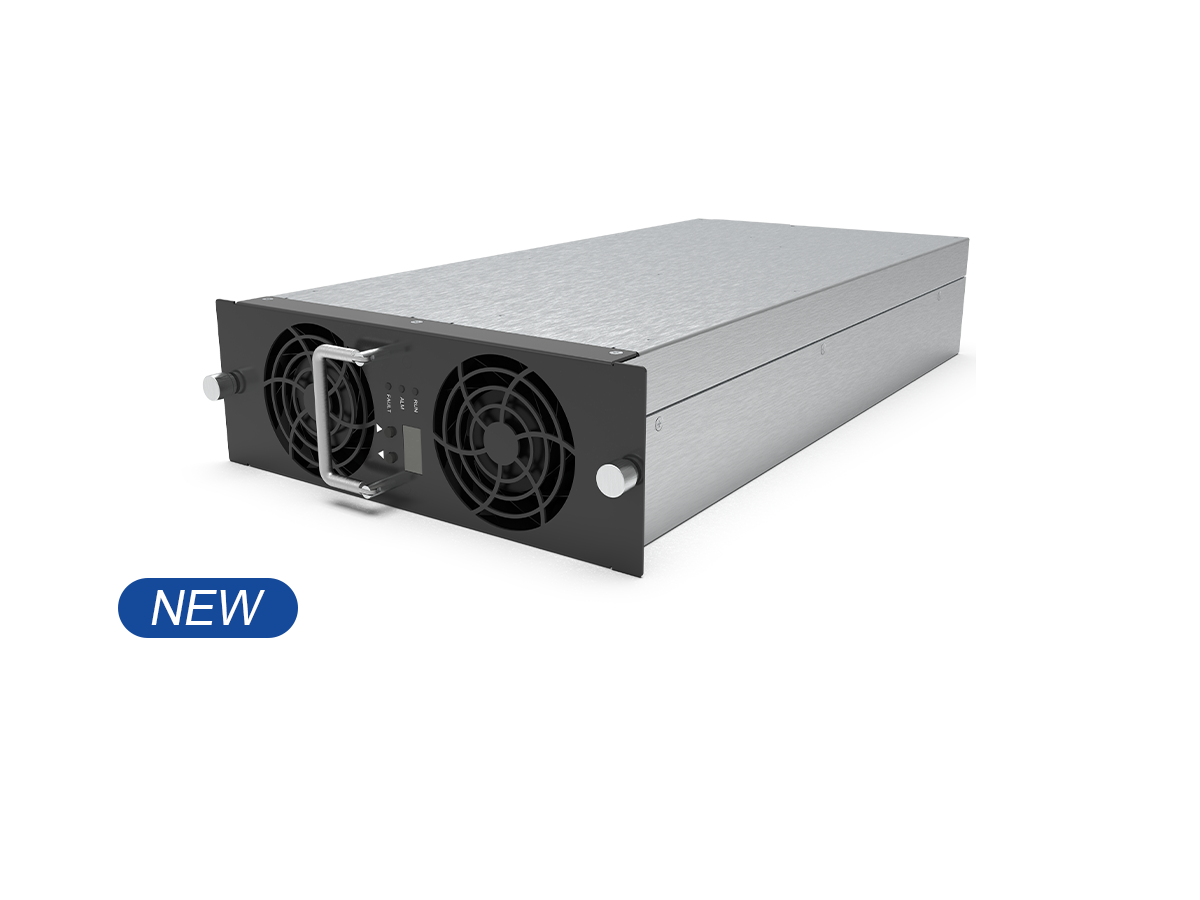
Forward-looking modules now add smarter sensing and predictive cooling, almost like edge computing nodes for the cabinet. They forecast thermal stress and prevent derating before it starts. Compare that to older bidirectional blocks, which carry extra silicon and firmware burden they seldom use in roadside DC service. When the job is fast energy delivery, the cleaner option wins. Choosing a DC fast charging power module with isolation, resonant conversion, and modern devices leads to fewer thermal hotspots and tighter current control. It also reduces the chance of thermal runaway in hot bays. The big picture: better efficiency at partial load, fewer EMI surprises, and simpler safety paths. Different path, different result—more miles per minute, fewer calls to maintenance.
Practical Criteria: How to Choose a Module That Won’t Fail You
You now know why topology and isolation matter. But selection needs clear metrics. Keep it simple and measurable. Advisory close: use three checks that translate from spec sheet to street.
1) Efficiency where you live, not only at peak: Verify efficiencies at 10%, 50%, and 100% load. Partial-load wins cut heat and fan noise. Ask for data with PFC on, total harmonic distortion noted, and conduction plus switching losses separated. Real numbers beat slogans.
2) Thermal headroom under real weather: Demand the max ambient at full power and the cooling method. Is there a stated hotspot delta on the DC link and magnetics? Check MTBF at rated bay temperature, not office air. Cooling control should be predictive, not reactive (derating should be a last resort).
3) Grid and safety alignment: Require power factor ≥0.99 at nominal, THD within local limits, and clear isolation ratings. Confirm surge withstand and EMI class with margin. Make sure the CAN bus map is open, firmware is field-updatable, and protection trips are deterministic. Standards matter, but so does behavior under faults.
Evaluative wrap-up: We saw how legacy designs add loss and noise, while isolated one-way modules simplify control, shrink magnetics, and raise uptime. The measurable payoff is steadier current, cooler bays, and faster, safer sessions. For teams aiming at durable fast charge networks, these checks turn into better service metrics, fewer swaps, and happier drivers. For reference and deeper specs, see winline charger.