
Putting the user first
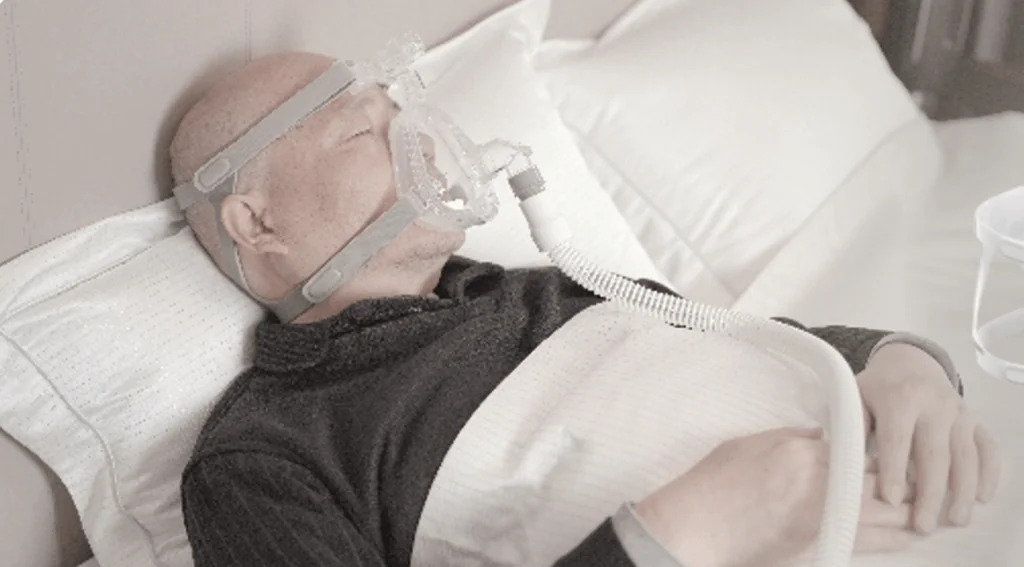
After decades of watching patients adapt to machines, I still value simple improvements more than grand promises. A modern cpap device needs to serve a person’s night, not just a clinical metric. That shift toward usability matters for adherence, which is the real clinical outcome clinicians chase. I speak plainly—comfort, quiet, and straightforward setup beat novelty when the goal is consistent positive airway pressure (PAP) therapy.
Why patient experience changes outcomes
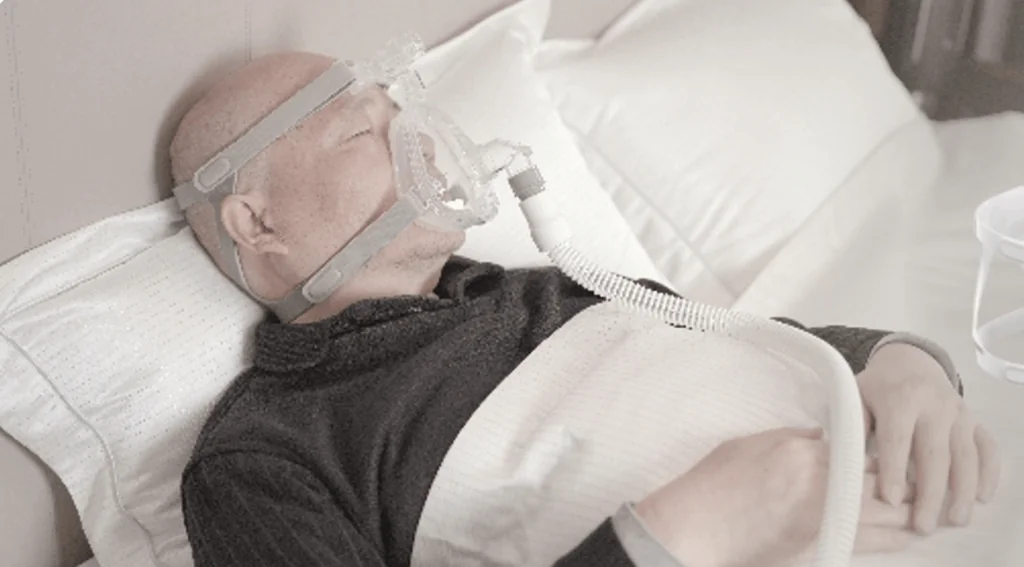
Clinicians measure apnea-hypopnea index (AHI) and hours of use, but the patient feels mask fit, noise, and interface flow. If the mask leaks or the pressure ramp isn’t comfortable, usage drops. I’ve seen patients return machines for reasons that weren’t strictly technical; they were practical. A device that marries effective pressure delivery with thoughtful ergonomics raises use rates—so both CPAP and alternatives like BiPAP get better real-world results.
Common mistakes users make — and how manufacturers can help
People often treat setup like a one-off event: install the mask, tweak once, then forget. That’s a mistake. Routine checks—mask cushion condition, hose integrity, and humidifier settings—keep therapy consistent. Manufacturers should make consumables visible and replacements predictable. —A small light, clear prompts, an easy-access filter compartment—those are simple things that reduce misuse and wasted nights.
Comparing options: CPAP, APAP, BiPAP and the new bipap machine
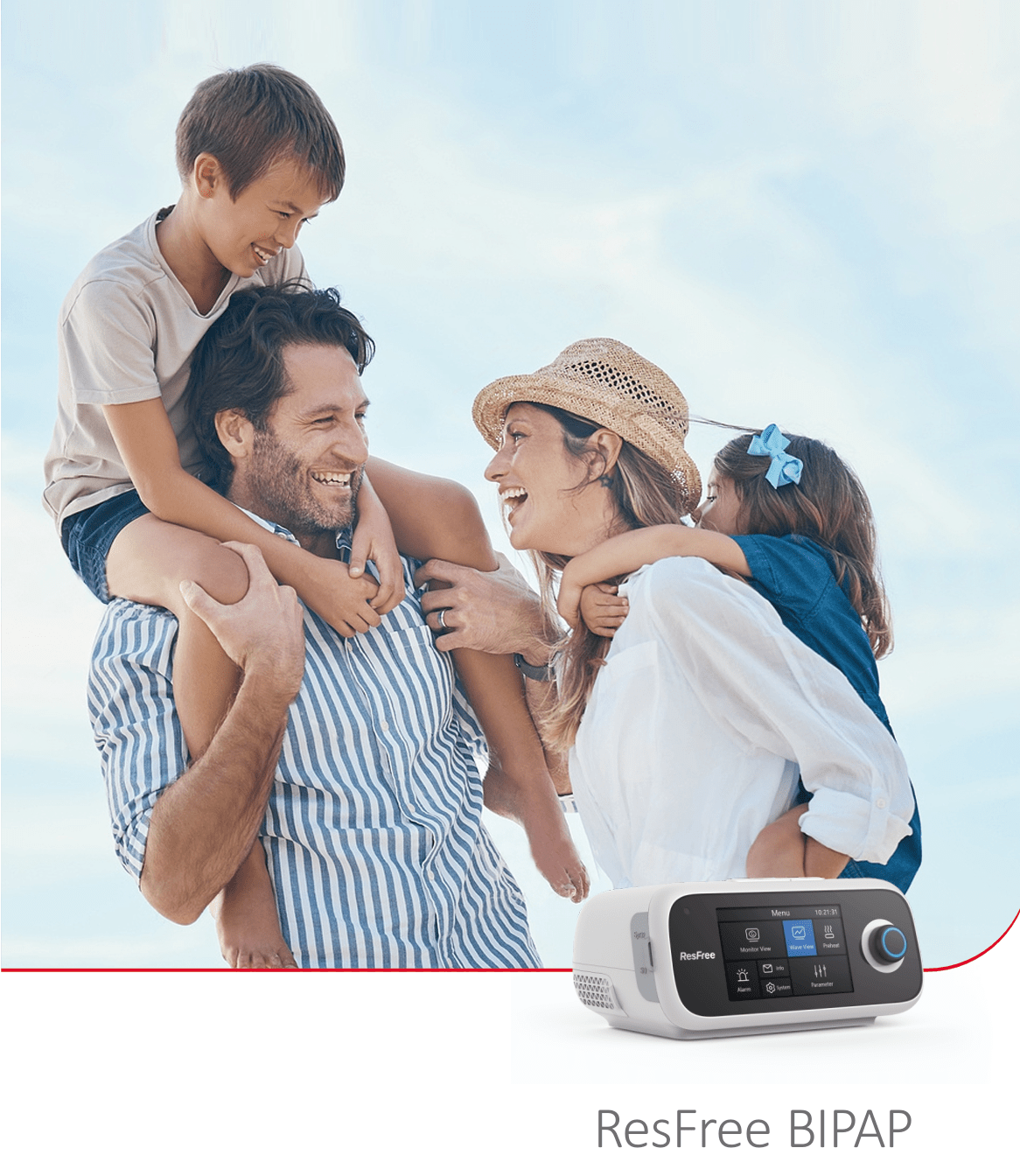
Not every patient needs the same mode. Auto-adjusting CPAP (APAP) adapts pressure through the night and suits many with variable obstruction. Bi-level positive airway pressure (BiPAP) helps those with ventilatory compromise or comorbid lung disease. When you review devices, weigh pressure range, ramp behavior, and mask compatibility. For some users, a new bipap machine is the clear choice; for others, a refined APAP does the job more simply.
Practical checklist for choosing a device
Choose on these concrete factors rather than marketing claims:
– Measured sound level at typical pressures. Nighttime noise under 30 dB is preferable. – Data accessibility: clear use hours, leak reports, and AHI trends for clinician review. – Mask ecosystem and fit options; one-size rarely fits all.
Real-world anchor: what respected centers recommend
The Mayo Clinic emphasizes matching therapy to patient tolerance and comorbidity, noting CPAP remains first-line for many with obstructive sleep apnea. Clinical centers also track adherence as the primary success metric, not just lab-derived efficacy. That guidance grounds product choices: if a device improves nightly use, it achieves clinical aims.
Alternatives and trade-offs
Some manufacturers push smaller, travel-focused units. They’re handy, but battery life, pressure limits, and humidification are trade-offs. Others focus on heavy-duty ventilatory support—excellent for complex respiratory failure but overkill for isolated OSA. Compare real specs: pressure delivery range, leak compensation algorithm, and humidifier capacity. Those numbers tell you what the machine will actually do on tough nights.
Decision framework for clinicians and patients
Match therapy mode to physiology, always. Start with the simplest effective mode and upgrade when objective metrics or symptoms demand it. Train patients on mask care and the device’s data features; clinicians should review adherence patterns at follow-up visits. Simple education reduces return visits and improves outcomes.
Three golden rules for selecting the right device
1) Prioritize sustained use over marginally superior specs: a comfortable CPAP you’ll use nightly beats a complex machine left in a closet. 2) Demand transparent, clinically useful data: usable reports on AHI, leak, and nightly hours are non-negotiable. 3) Choose a support ecosystem: clear spare parts, local service, and accessible troubleshooting save weeks of poor therapy.
Final note
I’ve lived through many device cycles and the best advances are those that make life easier for a person breathing through the night. The right device—well supported and simple to use—bridges the clinic and the bedroom, and that’s where outcomes are won. Byond. —worth remembering.