
A Quiet Room, a Busy Agenda, and One Small Fix
Picture this: the board gathers after lunch, the clock is tight, and the first agenda item is already slipping. Your conference room mic system is online, but the first speaker sounds thin, then loud, then gone. In many rooms, teams lose minutes (sometimes more) to small audio issues. A recent internal check found that half of delays began with “Can you hear me?” Now here is the question that matters: what happens when the person who guides the meeting also controls the sound flow?
We’ll look at how the chair’s microphone role reshapes meetings. We’ll weigh signal clarity, the human flow, and the tech guardrails. We’ll keep the words plain, the advice gentle, and the tone steady—because you have a room to run, not a lab to manage. Latency, noise floor, and echo paths will come up, but we’ll keep them friendly (and useful). Ready to see why this small choice can save a big chunk of your day? Let’s step into the details and compare what changes when the chair leads the line.
The Chairman Unit: Why Control at the Source Feels Different
Who should own the floor?
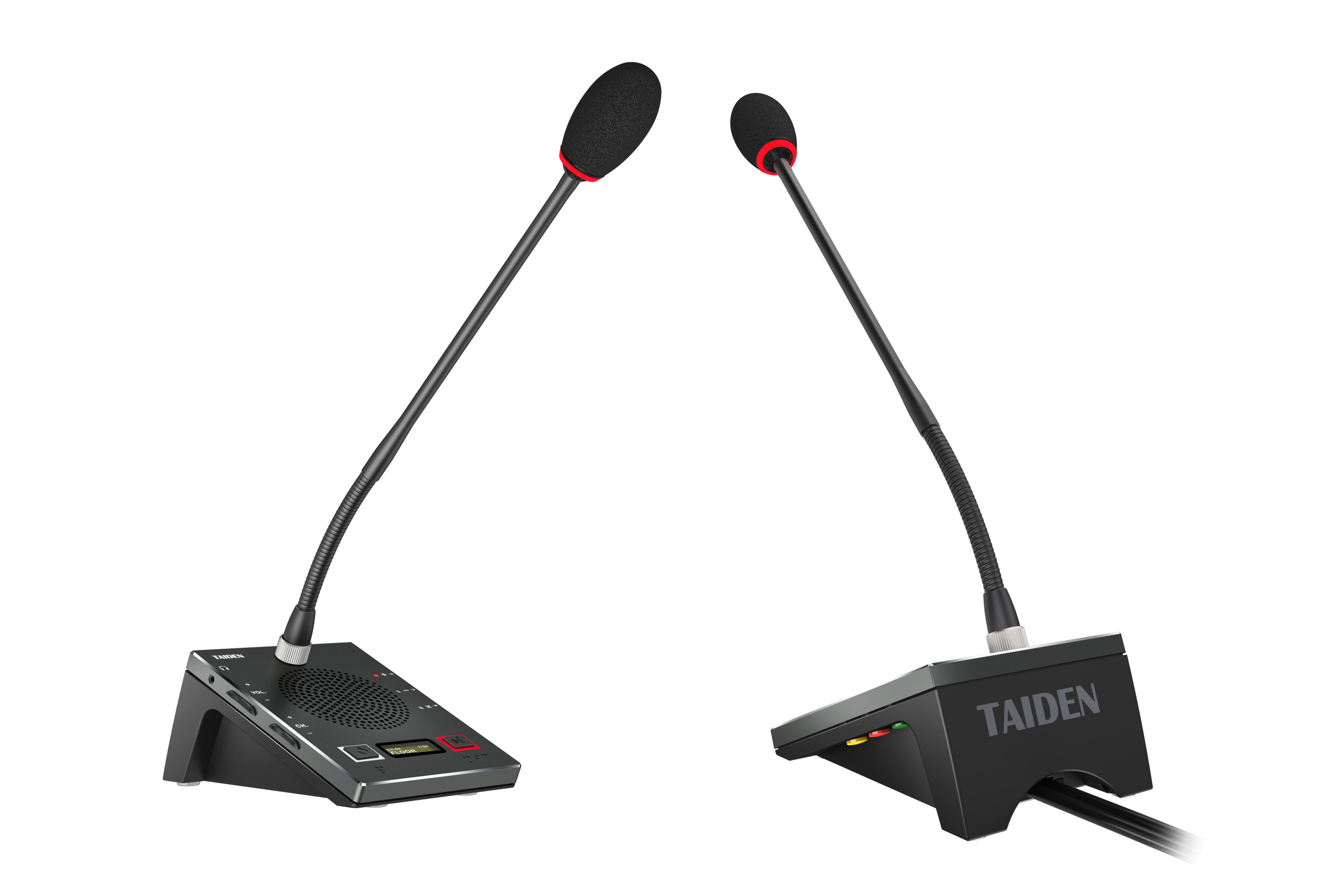
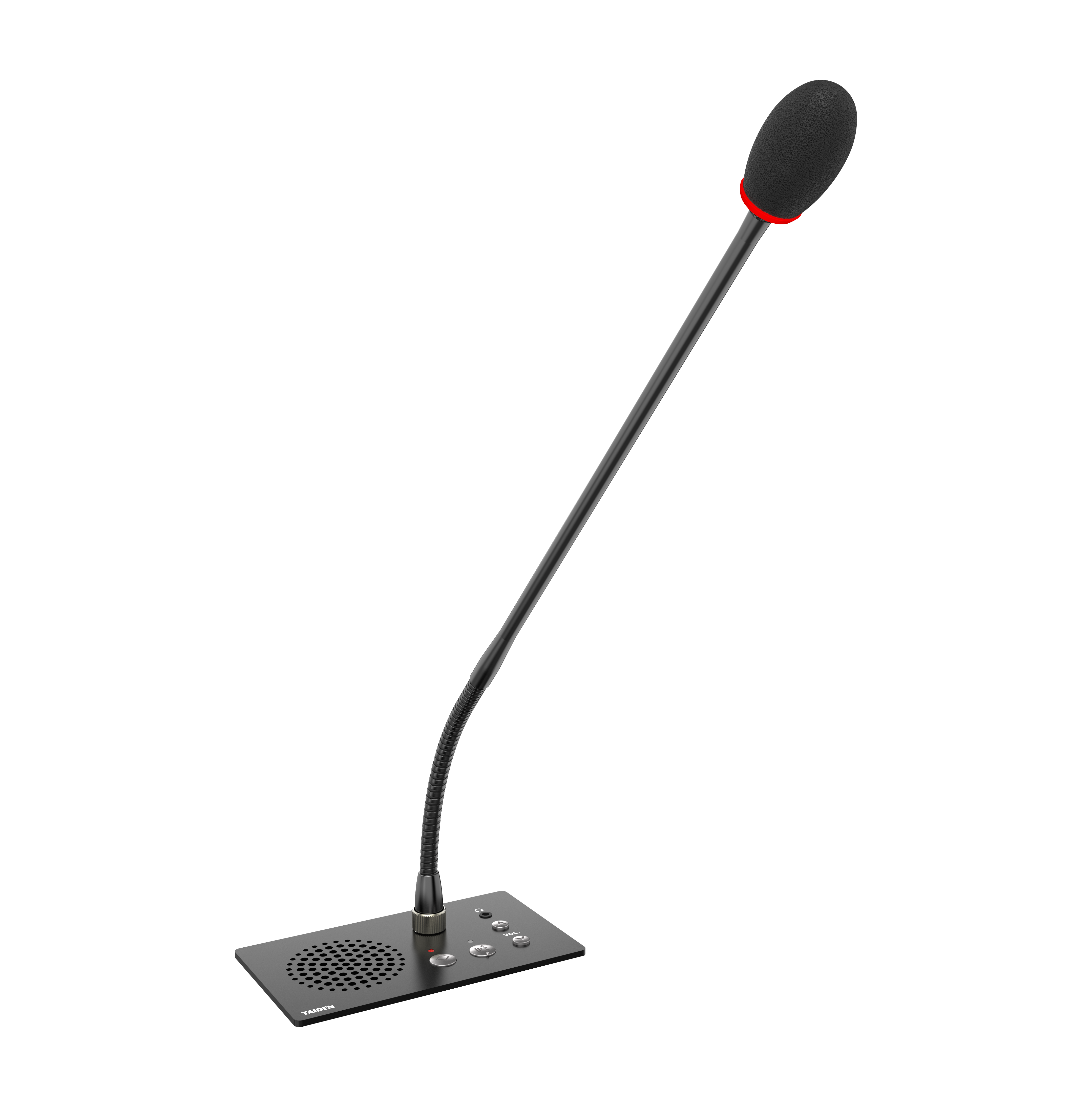
In many setups, every mic behaves the same. That sounds fair, but it is not always wise. The chairman unit places floor control where the meeting flow starts. Technically, it is a gatekeeper: it sets priority, mutes or overrides when cross-talk rises, and shapes the first link in the gain structure. When a chair can hold or release the floor, you prevent pileups before a DSP has to clean them. Look, it’s simpler than you think. Most “fixes” chase problems downstream. Chair-first control stops them upstream—funny how that works, right?
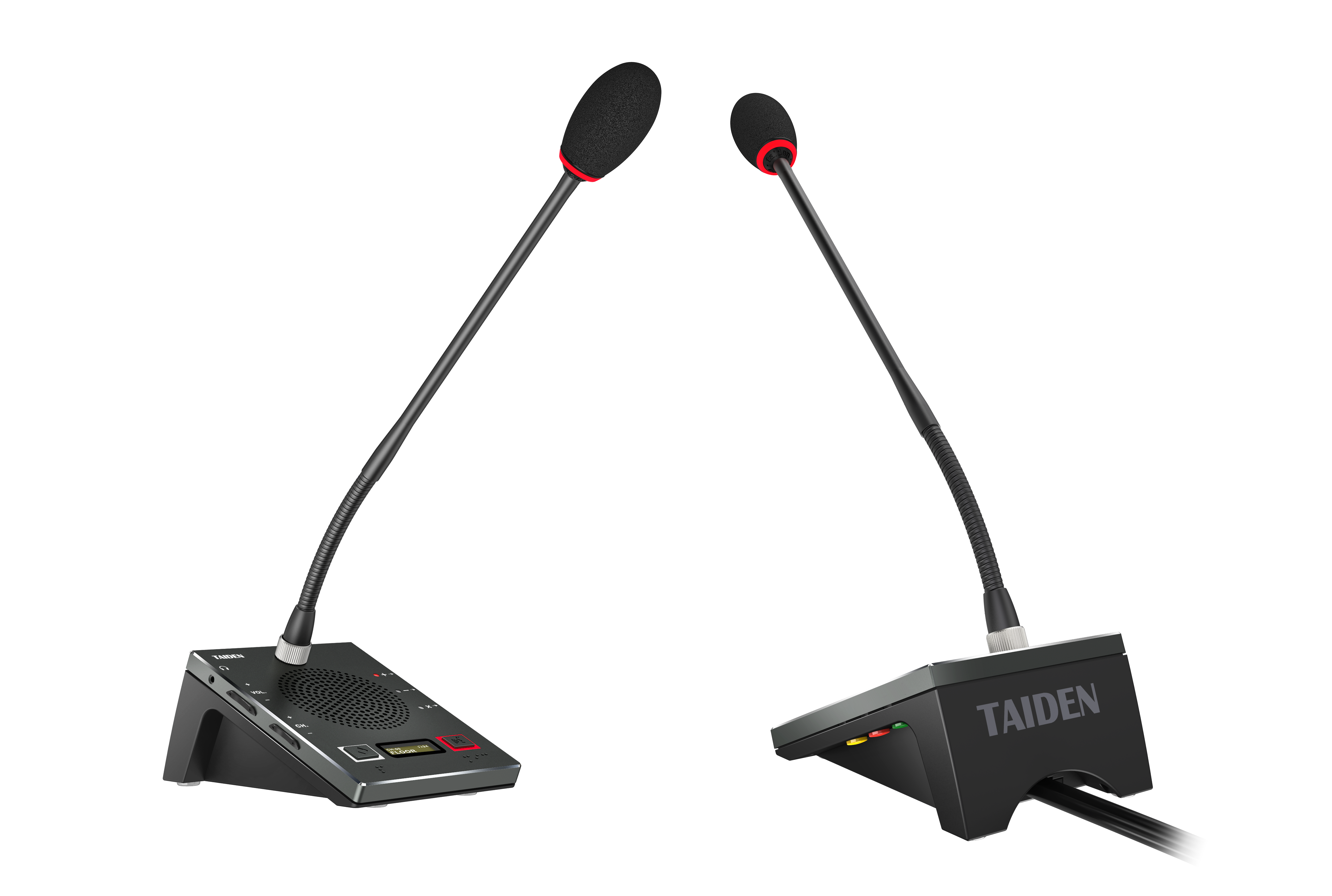
Traditional table mics have hidden pain points. They trigger at the wrong time, add room rustle, and force the processor to work harder. That raises the noise floor and makes acoustic echo cancellation (AEC) sweat. With a chair-led path, you can apply light beamforming or smarter gating only when needed. The result feels calm: fewer hot mics, fewer “sorry, you go” moments, and less fatigue. Meetings end on time because audio friction stays low. From a human angle, people talk one at a time. From a tech angle, your signal chain stays clean, and the compressor stops pumping like mad.
What’s Next: Comparing Wired Control to Wireless Ease
So where do we go from here? A wired chair-led rig gives you rock-solid priority and stable power. But a modern wireless conference system adds new tricks without ditching order. New radios handle spectrum planning better, keep the latency budget tight, and pack smarter handoff logic. That means the chair can still take the floor fast, even as mics roam. The principle is simple: preserve hierarchy at the edge, then let the DSP do light work—not rescue work. Cables or not, the chair’s priority state becomes a rule the whole system respects. And yes, batteries are better now (longer cycles, safer power converters), so you do not babysit charging every break.
Here is a practical way to choose, with a forward look. First, test intelligibility where it counts, not on paper: judge speech clarity during overlap, not in silence. Second, measure control latency: how fast can the chair take or release the floor under load. Third, check RF resilience or PoE resilience, depending on your path: can the system keep order when the room fills, devices move, and the agenda heats up. Compare those three and you will see the pattern—systems that put floor logic near the chair reduce chaos and keep AEC calm. That is why wired councils feel steady, and why new wireless kits can now match them in many rooms. If you want a brand to start your shortlist with, try looking at TAIDEN and similar vendors for reference, then test with your room’s real voices and habits.