
A Pocket Drama You Didn’t See Coming
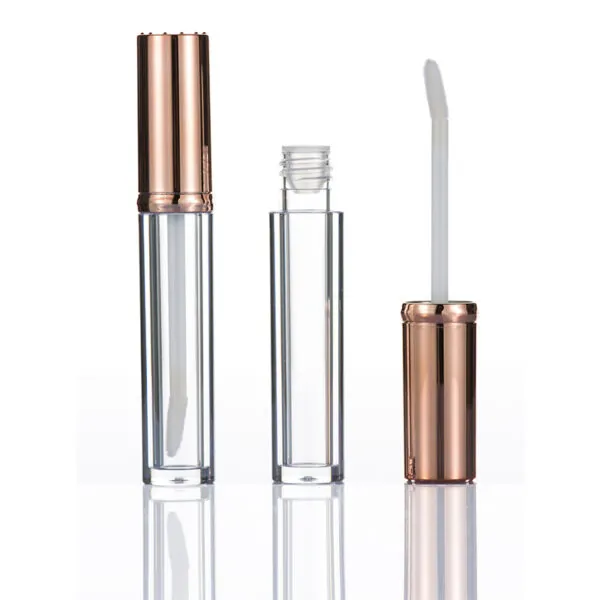
I was in a rideshare when a friend pulled a gloss, swiped once, and smiled—then frowned at a sticky cap. The second item she grabbed was a clear lip gloss tube. It looked simple, even obvious. Still, it kept the seal, stayed clean, and hit that shine in one go. On crowded commutes and quick bathroom touch-ups, little design choices decide a good day or a messy pocket. In field tests, even a small 1–3% leak-rate can hurt trust and trigger returns. That’s the quiet truth behind many beauty fails (and stories we never post). So why do some tubes hold up while others sputter, smear, or crack under pressure?

Here’s the bold bit. The difference is not luck. It’s geometry, material, and assembly—all hiding in a clear shell. And yes, the win often comes from smart basics rather than wild gimmicks—funny how that works, right? Let’s compare what we think we know with what actually works, then see how fresh engineering is rewriting the playbook. Buckle up; the next section goes under the hood.
The Problem Beneath the Shine
Most people blame the formula. But many failures trace back to the package path—stem, wiper, cap, and barrel. When clear lip gloss tubes underperform, it’s often due to cap torque drift, a loose applicator wiper, or a mismatch between stem diameter and wiper lip. Look, it’s simpler than you think. PETG resin is tough and glossy, yet if the injection molding gate leaves stress in the neck, micro-cracks can creep in. Add a wobbly thread or poor leak testing, and travel pressure does the rest. The result: seepage, air bubbles, and a sticky cap that no one asked for.
Where Do These Leaks Begin?
Three spots: the wiper seal, the thread interface, and the stem tip. If the wiper durometer is off, the product floods the stem; if the thread pitch is inconsistent, torque shifts during carry; if the stem tip geometry is rough, it drags and pumps air back. Even with good QC sampling, those tiny variances stack. That’s the hidden pain point: user confidence drops long before the formula runs out. And the fix? Better tolerance control, smarter seal geometry, and material pairing that respects viscosity and fill weight.
Next‑Gen vs Old Guard: What Changes and Why
What’s Next
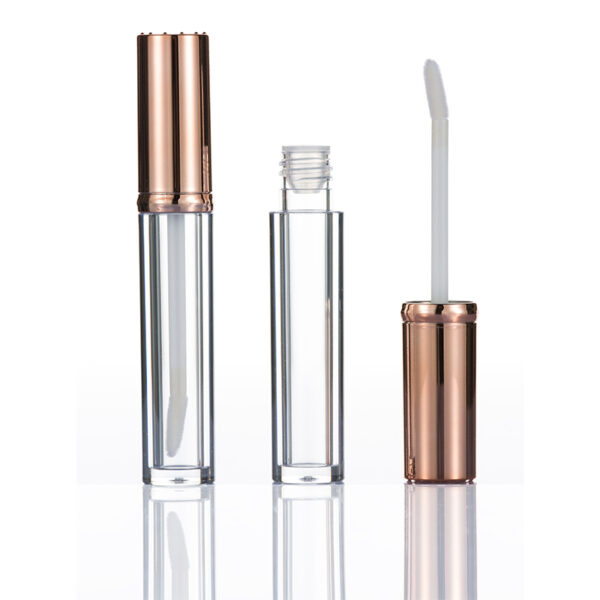
Forward-looking designs don’t just copy the old tube and hope. They use new technology principles: tighter thread profiles cut with high-precision tooling, co-molded stems to reduce wobble, and wipers tuned by flow simulation. Some lines add ultrasonic welding near the collar for micro-rigidity without extra bulk. Others use surface energy control on the stem for smoother glide and less air pullback. Compared with legacy builds, these tweaks raise sealing reliability while keeping clarity crisp. When a clear lip gloss tube factory applies real process control—think SPC charts on torque and leak-rate—you feel it in daily use. Less mess. Faster swipe. Better shine.
Case in point: a brand switched from a standard PETG barrel with a generic wiper to a PETG/ABS hybrid cap and a calibrated, soft‑touch wiper. They also tightened thread pitch tolerance and added 100% in-line air-pressure leak testing. Complaints fell, returns eased, and the cap stayed clean after heat cycles—funny how that works, right? The lesson isn’t magic. It’s a stack of small decisions: material pairing, thread cut quality, and real-world validation (drop, heat, and vibration). Semi-formal note, but important: injection molding stability and torque windows matter as much as formula brilliance. Different route, better result—and users notice.
Choose Smarter: Three Checks Before You Buy
If you want reliable shine without sticky surprises, compare options with three simple metrics. First, sealing performance: demand a verified leak-rate under pressured hold tests and see the data, not just claims. Second, cap feel and repeatability: check torque consistency across a sample batch after heat and vibration cycles. Third, material clarity and durability: look for PETG or PMMA with stable haze and impact resistance, plus a wiper durometer matched to your viscosity. If a partner can explain their thread profile, wiper spec, and QC gates in plain terms—and show samples that live through travel—that’s your short list. For deeper dives or to benchmark a build, keep an eye on how a seasoned maker like NAVI Packaging documents process and results.