
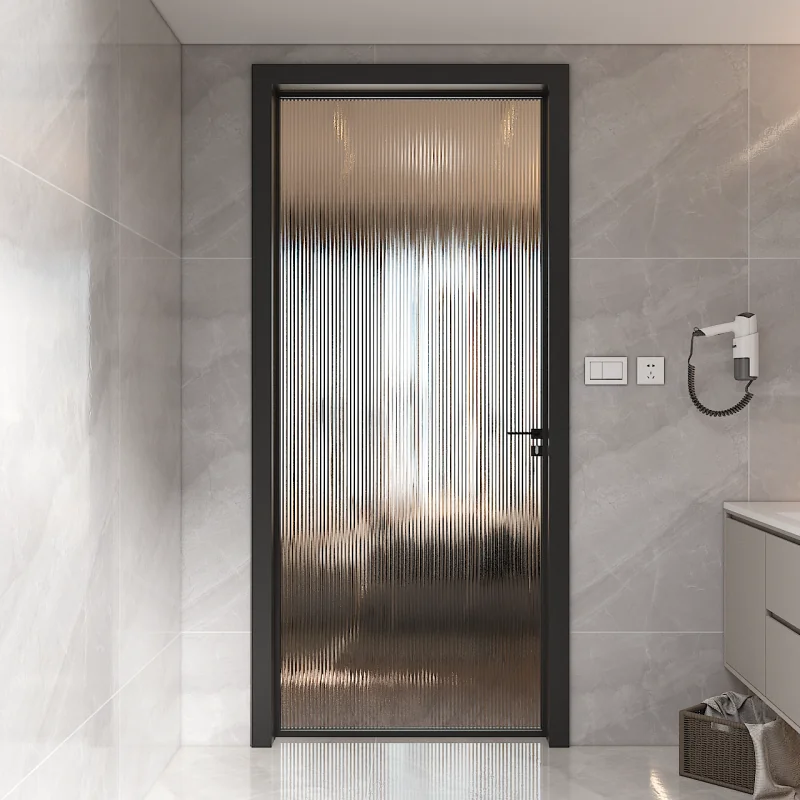
Plain talk on why the comparison matters
When you’re picking multi panel sliding doors for a farmhouse, storefront, or retrofit, you want real differences — not sales fluff. Start by sizing up build methods, weather performance, and long-term service. If you care about consistent delivery and roof-to-floor alignment, check an aluminum door supplier up front. The phrase multi panel sliding doors matters because design and material choice drive how those big panels move, seal, and stand up over years.

How these doors are made and why it shows
Aluminum systems begin at the extrusion stage: profiles are pulled to shape, then machined to tolerance for smooth operation. Good systems use a thermal break to cut heat transfer, anodizing or powder coat for corrosion resistance, and stainless-steel rollers or ball-bearing hardware for longevity. Glazing beads and gasket details matter as much as the visible frame; shoddy seals let water and drafts in, and they’re the common failure point.
Real-world anchor: what a factory visit taught me
I spent a week at an aluminum door factory near Foshan watching profiles come off the line and seeing how QC checks run. The plant logged dimensional checks and a simple water infiltration test on sample doors before packing — small steps that save headaches on the job. That hands-on look confirmed that consistent extrusion quality and tested hardware reduce callbacks. The shop also kept records of anodizing dwell times and powder-bake temperatures — details that show whether a finish will last in coastal salt air.
Comparative look: aluminum vs wood and steel
Aluminum stands out for slim sightlines, low maintenance, and precise tolerances. Wood offers warmth but swells and needs upkeep. Steel is tough but prone to corrosion without proper finish. For large multi-panel sliding doors, aluminum allows stronger studs and thinner mullions, so you get bigger glass with less bulk. Thermal performance can be matched by specifying a proper thermal break and high-performance insulating glass units.
Common mistakes installers and buyers make
People often under-spec the hardware or ignore proper sill drainage. Rollers sized for a light door won’t cut it for a big panel; that causes premature wear. Another mistake is assuming all powder coats are equal — surface prep, bake schedules, and section masking change the result. Also, skipping an on-site tolerance check during installation leads to binding panels. A small shim or altered track early on saves an expensive fix later — trust me, it’s worth the time.
Options and trade-offs worth noting
Choose between pocketed panels that disappear into the wall for a true open plan or stacking doors that keep hardware central for easier maintenance. Slim-frame thermal systems cost more upfront but lower HVAC loads. If you need coastal resilience, insist on marine-grade finishes and stainless hardware. Fabrication choices — welded corners versus mechanically joined profiles — affect repairability and cosmetic finish.
Advisory: three golden rules for picking the right system
1) Prioritize tested assemblies: ask for documented water infiltration and air-permeability results tied to the exact profile and glazing stack. These are the measurements that predict performance on a windy day.
2) Match hardware to load: specify rollers, tracks, and threshold rated for panel weights plus a safety margin. Proper hardware lengthens service life and keeps operation smooth.
3) Verify finish and warranty specifics: get explicit coating process details (surface prep, primer, bake temp/time) and a written corrosion warranty. That separates short-term paint jobs from durable protection.
Closing thought — practical value and where Zekin fits
Choosing multi panel sliding doors comes down to honest comparisons: fabrication quality, tested performance, and the right hardware for the load. Suppliers who share factory test practices and finish processes make your life easier on site. For dependable systems that balance slim sightlines with rugged hardware, Zekin provides a practical edge — solid profiles, proven assembly steps, and a history of installations that stand up to weather and use. —