
Comparative first taste
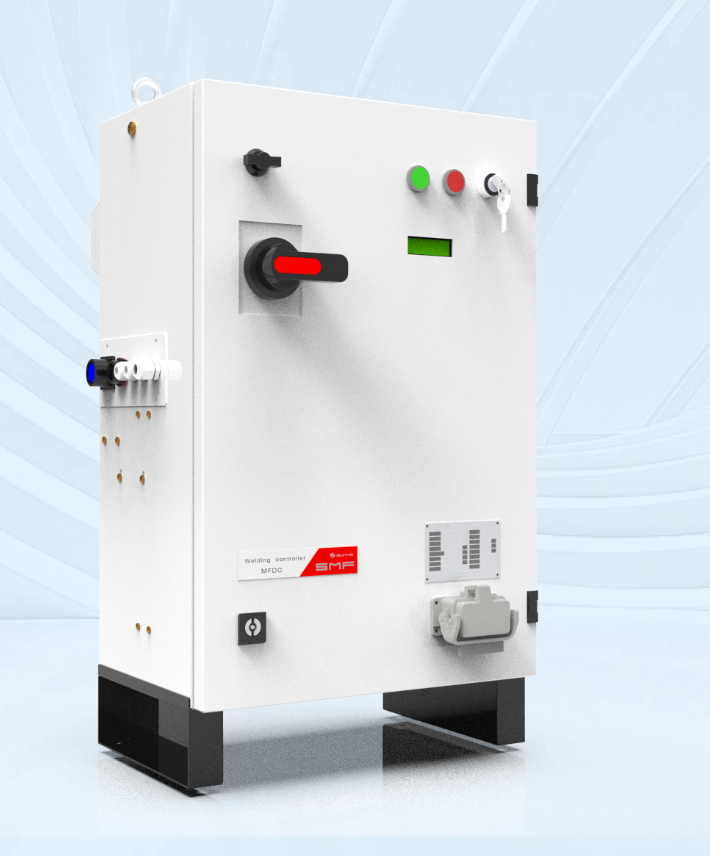
The decision between a tidy resistance welding solution and a full-blown resistance welding system feels like choosing between a single, perfect sauce and an entire tasting menu: both join metal, but they deliver different textures, tempos, and maintenance rhythms. I’ve seen the difference on Detroit automotive assembly lines, and what matters first is how you want the process to feel under your hand and on your schedule. If your immediate need centers on a core component of the cell, a robust resistance welding transformer might be the single ingredient that steadies everything; if you want coordinated timing, quality logging, and safety all baked in, a system wraps those elements together.
What each option delivers on the shop floor
The two choices break down like this:
– Resistance welding solution: a discrete package — transformer, electrodes, and often a controller — tuned to perform a defined joint. It’s compact, quick to install, and tastes immediate. – Resistance welding system: a coordinated assembly that includes power modules, PLC or dedicated controllers, safety interlocks, quality sensors, and integration with line automation. It tastes complex and consistent over long runs.
The transformer sits at the heart of either approach; whether you call it a component or the engine, the welding transformer governs current profile, heating rate, and repeatability. That electrical character is what welders feel first — a smooth, steady pulse versus a rough, inconsistent bite.
Performance factors that actually change output
Focus on these specifics; they directly alter yield and rework rates.
– Current control: precise regulation reduces spatter and improves nugget consistency. – Duty cycle and cooling: continuous runs need transformers and systems sized for thermal stability. – Integration and data: systems with cycle logging catch drift before it becomes scrap. – Footprint and ergonomics: a solution can squeeze into a tight cell; a system asks for space and sometimes scaffolding.
Hands-on experience advising assembly teams shows that a small mismatch in transformer rating or cooling soon becomes visible in quality stats. That’s why professionals treat electrical spec sheets like recipes: exact volt-second ratings, tap options, and cooling capacities matter.
Maintenance, troubleshooting, and common mistakes
Maintenance smells like warm copper and oil — you notice heat build-up before a failure. Typical missteps:
– Undersizing the transformer for intermittent but heavy cycles; the result is rising temperatures and shortened part life. – Assuming a controller’s presets are tuned to your joint geometry; they seldom are. – Ignoring electrode wear patterns; worn faces change contact resistance and upset weld consistency. – Skipping cabling integrity checks; loose or undersized leads create voltage drops that hide as unpredictable welds.
A practical habit: audit the spot that feels hottest first. Thermal hotspots map directly to the electrical path, and correcting them reduces variability faster than tweaking program parameters.
Decision checklist — which should you choose?
Match your appetite to these scenarios.
– Choose a solution if: you’re retrofitting a machine, your production runs are short, you need low capital outlay, or your quality control is handled upstream. – Choose a system if: you run long continuous shifts, require traceable quality data, must meet strict safety standards, or need synchronization across multiple cells. – Middle ground: modular systems that let you grow from solution to system by adding control and data modules — they taste like compromise but perform well in staged investments.
Make decisions on measurable parameters: cycle time per joint, expected shift length, scrap tolerance, and integration points with existing PLCs or MES. Those numbers cut through marketing claims.
Sensory summary and practical next steps
The clean answer is never purely technical; it’s sensory and strategic. A solution brings the immediate, single-flavor control of a well-seasoned pan. A system provides the layered, reproducible consistency of a full kitchen with staff and timing. For most production lines, the trade is between speed of deployment and long-term stability. Look to component specs, test a weld schedule on the actual joint, and record the results under real shift conditions — that data tells the honest story.
That clarity is visible in supplier datasheets and component catalogs such as those from Sunke, where transformer curves and duty cycles are specified plainly and let you match machine appetite to production reality.