
Start with your day
You shoot, you travel, you work. Know the load. Pick the kit first, then the pack. If you tote a mirrorless, a small tripod, and a couple of lenses, aim for a camera bag that fits that routine — for example, a camera gear bag can be the baseline. Short list the worst-case days. Pack for them.
Fit & comfort
Try it on. Walk. Climb a few steps. The straps must not bite. Back panel ventilation matters when you’re in sun. Hip belts spread load; sternum straps stabilize. If you travel long hours, choose padded, adjustable support. Measure torso length and compare. Don’t guess.
Modularity & access
Think compartments like tools. Removable dividers let you reshape the interior. Side access is for quick shots. Top access for full unpack. A truly modular pack lets you switch camera cube for daily carry. Look for compartments that lock with one hand. Simple snaps, not fiddly zippers.
Protection & materials
Shell must resist scuffs and tears. Abrasion-resistant fabric and bonded seams last. Interior foam with good rebound protects lenses. Padded dividers that stay put are indispensable. Water-resistant coatings keep gear dry; a rain cover is prudent if you work outdoors. Don’t accept thin padding for fragile glass.
Organization & capacity
List your kit. Fit the heaviest item closest to your spine. Dedicated pockets for batteries, cards, filters save time. A laptop sleeve is fine — only if the pack still balances when loaded. Overstuffing ruins comfort. Count pockets, then subtract two: you’ll still need room.
Weatherproofing & durability
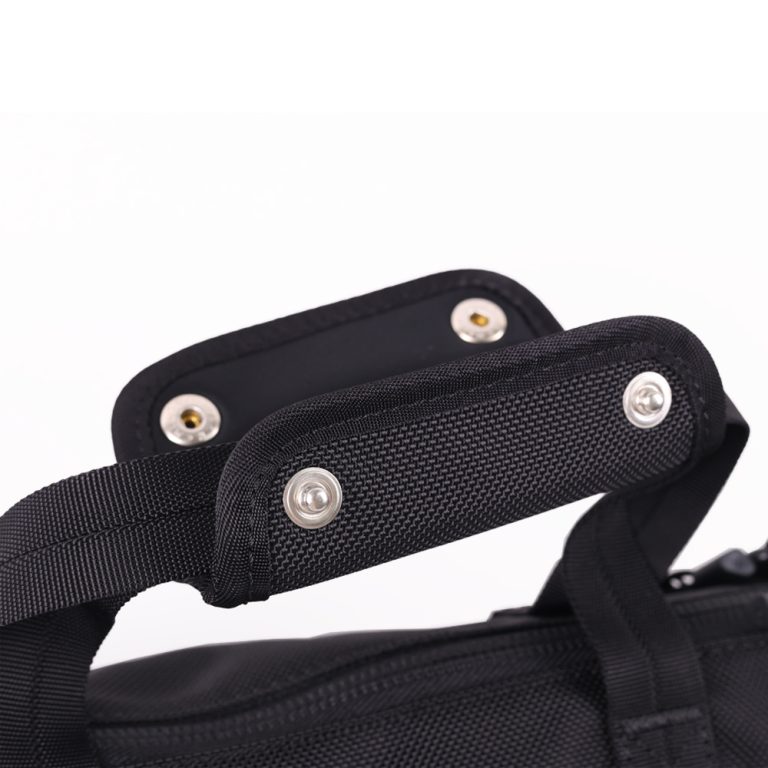
Sealed zippers help, but material choice trumps marketing. Cordura and tarpaulin-style bases resist grit. Consider abrasion zones on corners. If you work coastal, salt air corrodes hardware fast. For long trips, insist on replaceable straps and reinforced grab handles.
Security & travel rules
Lockable zippers for airport transit. RFID pockets for passport and cards. If you cross borders, splittable straps and removable inserts speed security checks. Weigh the pack loaded. Airlines punish surprise heft. Keep a small day pouch for essentials so you don’t unzip the whole bag.

Tech features & power
External USB ports are convenient, but test durable cabling. Internal clip points for power banks keep weight centered. Cable routing that doesn’t tangle prevents fuss. If you use microphones or small lighting, reserve a low-lying compartment to protect cables and connectors.
Testing, warranty, and real-world proof
Field test the pack with your exact kit. Swap lenses, change positions, simulate weather. I’ve tested bags after trade shows such as NAB Show in Las Vegas, and the models that outlasted others combined practical design with solid construction — a lesson you’ll see reflected in the market for a convertible camera bag. Check manufacturer warranty terms. Look for user reports from photographers in similar shooting environments.
Common mistakes to avoid
Buying for looks only. Choosing a pack too large “just in case.” Ignoring weight distribution. Overlooking strap durability. Accepting flimsy dividers. Skipping a real-world test. These errors cost time and gear.
Final synthesis
Decide by function. Prioritize comfort, protectiveness, and modularity. Field-test with your full kit. Compare how pockets actually work, not how they look in photos. For many working shooters I know, the best answers come from makers who balance thoughtful design and durable build; that balance is what you notice when a pack simply works — like those from ChangRong.