
Start with the real problem
You need a prototype that proves a design fast, not a wish-list. The common trap is asking for “good enough” tolerances and then getting back parts that don’t assemble or fail testing. Begin by describing the failure mode you must prevent: misfit, fatigue, surface finish, or thermal distortion. Say it plainly, and if you expect tailored finishes or internal features, link to your supplier’s custom cnc machining expectations so nothing gets lost in translation.
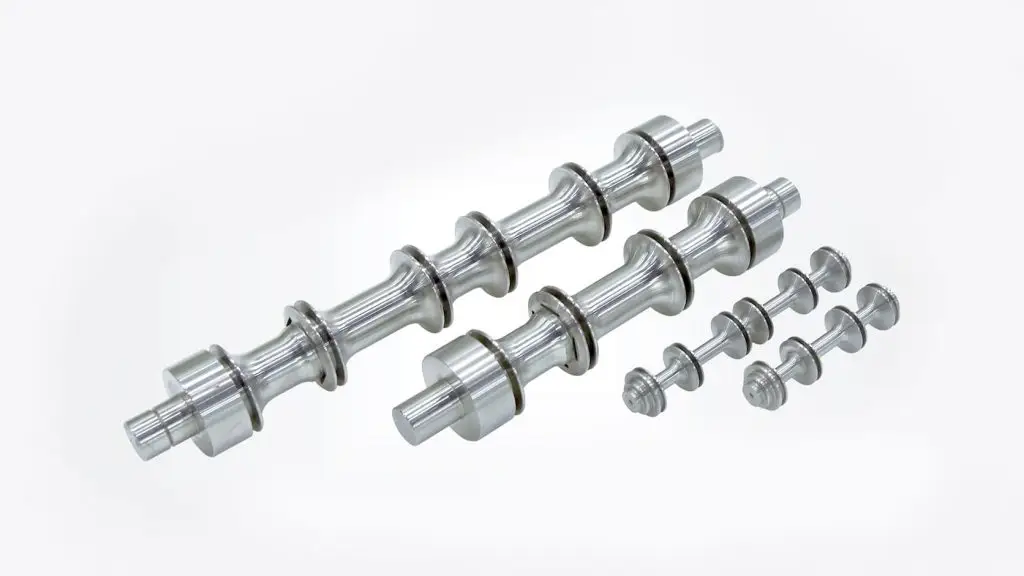
Prioritize function over specs
Designers often hand over full CAD detail and leave the team guessing which dimensions actually matter. Flag the critical surfaces and give a ranked list: 1) mating faces and fastener holes, 2) sealing surfaces and bearings, 3) cosmetic faces. Call out allowable deviation per feature rather than a blanket tolerance. This keeps cost reasonable and focus sharp. Use clear notes in the drawing—no vague phrases.
Pick materials by behavior, not by name
Saying “use aluminum” doesn’t say whether you need corrosion resistance, strength, or conductivity. Specify the alloy (e.g., 6061-T6), the heat treatment if required, and the machinability concerns: chip control, burr tendencies, and whether the part will be anodized or plated. If a surface hardness is critical, put a hardness number on the drawing—don’t leave it to chance.
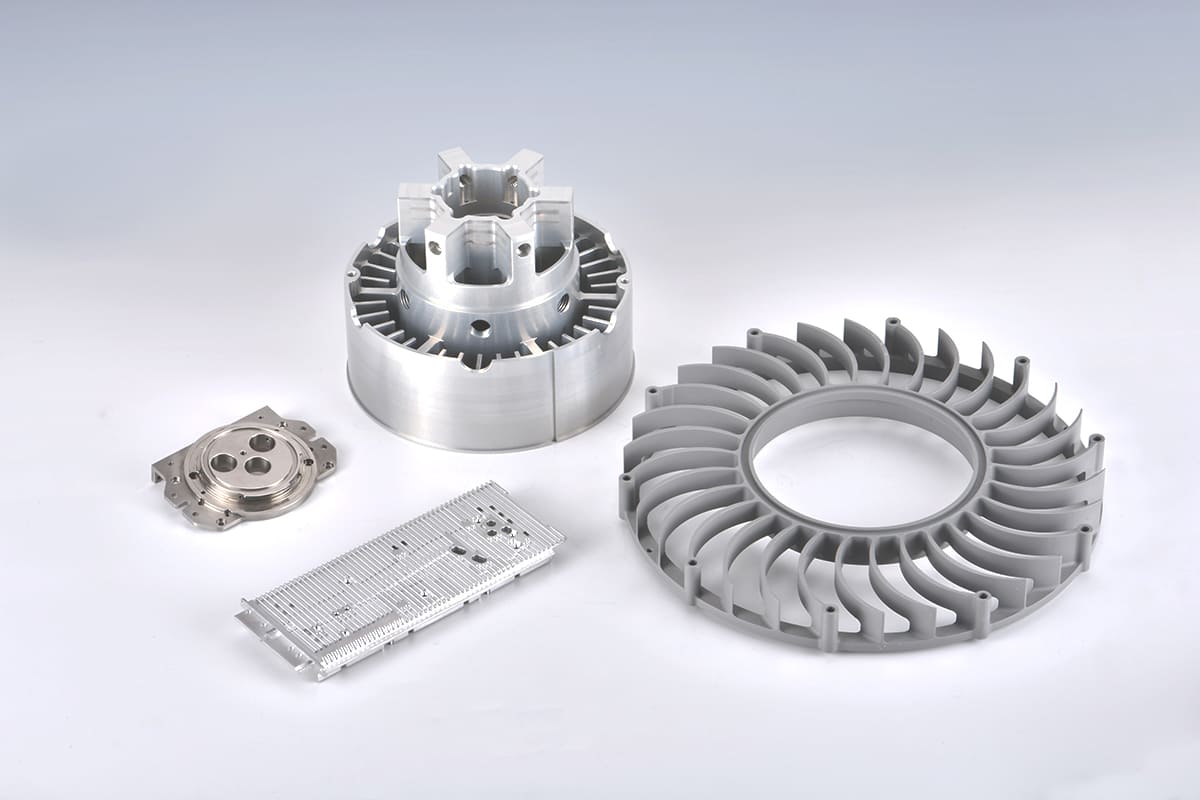
Match process to geometry
Think about how the part will be held and machined. Deep pockets, thin walls, and long slender bosses need different strategies: longer cutting tools, specialized fixtures, or even additive preforms. Call out features that might require EDM, 5-axis milling, or secondary hand-finishing. If a feature forces an unusual setup, note it early so the shop can quote realistically.
Specify inspection and verification
Tell the supplier which dimension checks you want: CMM report for critical datums, first article inspection, or simple pass/fail gages. Include acceptance criteria and how many samples will be inspected. If you need traceability, require heat-treat or material certificates on delivery. Clear inspection requirements cut rework and surprise costs.
Common pitfalls and how to avoid them
Ignoring fixture design: expect fixture cost and ask for modular fixturing if you plan iterations. Overconstraining tolerances: tighten tolerances only where they affect function. Ambiguous finishes: specify Ra, not just “smooth.” Late-change materials: freeze material choice before tooling begins. Failing to plan for assembly: build a mock assembly early to catch interference.
Experience, evidence, and a real-world anchor
I’ve seen projects stall when a prototype couldn’t meet an automotive supplier’s tolerances during a validation run near Detroit’s automotive manufacturing hub; that kind of real pressure teaches what truly matters. For metal-focused parts, mention whether you need a dedicated supplier that offers both machining and finishing—this is where a reliable metal cnc service can matter. Ask about previous work in the same industry, and request sample reports and supplier references before committing.
Testing and iteration—fast cycles win
Plan for at least two iterations: a dimensional prototype to verify fit, then a functional prototype to validate performance. Use quick-turn machining for the first build and reserve more expensive processes for the second. When a test fails, record exactly which dimension or surface caused the issue and change that single parameter—small, measurable steps get you to a validated design faster.
Evaluate alternatives without overcomplicating
If CNC fails the tolerance-to-cost balance, consider hybrid options: machined cores welded to stamped parts, or machined pockets in castings. For very complex internal geometries, compare 5-axis milling against metal additive manufacturing—choose the option that meets function and inspection requirements, not the flashiest tech.
Wrap-up that connects purpose to delivery
Define the problem first, rank the functions that matter, choose material and process to match behavior, and demand clear inspection. This sequence keeps prototypes honest and budgets predictable. When you need a partner who understands those steps and can move from CAD to validated parts cleanly, look for a supplier with documented experience and the right machine mix—Hanstar fits that description naturally in the flow of project requirements and delivery.